By The Rio Times | Created at 2026-06-13 09:22:02 | Updated at 2026-06-13 16:20:31
7 hours ago
By The Rio Times | Created at 2026-06-13 09:22:02 | Updated at 2026-06-13 16:20:31
7 hours ago
IBOV 171,133 ▼ 0.21% IPSA 10,923 ▲ 1.70% IPC MEX 67,955 ▲ 1.46% MERVAL 3,352,708 ▼ 0.01% COLCAP 2,386.78 ▲ 1.53% BVL PERÚ 52,306.77 ▼ 0.36% USD/BRL 5.06 ▼ 0.64% USD/MXN 17.21 ▼ 0.25% USD/CLP 898.70 ▼ 0.40% USD/COP 3,454 ▼ 2.93% USD/PEN 3.40 ▼ 0.01% USD/ARS 1,429 ▼ 0.28% USD/UYU 40.54 ▲ 1.33% USD/PYG 6,094 ▲ 0.45% USD/BOB 6.85 ▲ 1.63% USD/DOP 58.68 ▲ 1.74% USD/CRC 451.82 ▲ 1.15% USD/GTQ 7.61 ▲ 2.17% USD/HNL 26.65 ▲ 1.30% USD/NIO 36.62 ▲ 0.75% USD/VES 581.23 ▼ 0.13% USD/PAB 1.00 ▲ 2.27% USD/BZD 2.00 ▲ 1.70% USD/JMD 157.59 ▲ 0.65% USD/TTD 6.76 ▲ 1.49% EUR/BRL 5.86 ▼ 2.16% BRENT 87.33 ▼ 3.37% WTI 84.88 ▼ 3.23% IRON ORE 161.91 — — COPPER 6.45 ▲ 2.97% GOLD 4,239 ▲ 3.63% SILVER 67.97 ▲ 6.40% SOY 1,132 ▲ 1.52% CORN 412.75 ▲ 0.24% WHEAT 584.50 ▼ 0.38% COFFEE 253.80 ▼ 0.06% SUGAR 14.24 ▲ 3.26% ORANGE JUICE 164.85 ▼ 0.57% COTTON 76.34 ▲ 5.31% COCOA 3,979 ▲ 7.25% BEEF 241.18 ▼ 4.10% CATTLE 357.43 ▼ 0.62% LITHIUM 82.37 ▲ 2.02% PETR4 41.18 ▼ 1.39% VALE3 79.17 ▲ 0.47% ITUB4 40.60 ▲ 0.25% BBDC4 17.80 ▲ 0.68% ABEV3 16.61 ▼ 0.18% BBAS3 19.46 ▲ 0.26% B3SA3 15.23 ▼ 1.36% WEGE3 42.61 ▲ 0.61% PRIO3 61.34 ▼ 1.14% SUZB3 41.52 ▲ 0.56% RENT3 40.70 ▼ 0.25% AZZA3 17.19 ▼ 1.83% CSAN3 3.34 ▼ 0.89% RAIZ4 0.43 — 0.00% PCAR3 1.55 ▲ 6.16% GMAT3 3.96 ▼ 3.88% PSSA3 50.49 ▲ 1.98% CVCB3 1.39 ▲ 5.30% POSI3 3.64 ▲ 3.12% SLCE3 14.25 ▼ 2.93% NATU3 8.56 ▲ 0.59% BRKM5 9.10 ▼ 6.67% RANI3 7.95 — 0.00% CSNA3 6.05 ▲ 0.67% CMIN3 4.30 ▼ 0.92% USIM5 10.85 — 0.00% GGBR4 23.88 ▲ 0.25% ENEV3 24.54 ▲ 0.57% NEOE3 33.80 — 0.00% CPFE3 44.42 ▲ 0.11% CMIG4 10.73 ▼ 0.74% EQTL3 38.77 ▼ 0.31% LREN3 15.38 ▼ 0.07% VIVT3 33.53 ▼ 0.97% RAIL3 13.36 ▼ 0.96% KLABIN 16.88 ▲ 0.60% RAIA DROGASIL 17.46 ▼ 0.91% RDOR3 34.08 ▲ 0.12% HAPV3 11.40 ▼ 1.64% FLRY3 15.18 ▲ 0.13% SMTO3 15.80 ▼ 2.29% UGPA3 24.80 ▼ 0.72% VBBR3 29.15 ▼ 1.29% BBSE3 37.87 ▲ 0.19% BPAC11 50.39 ▼ 0.18% CURY3 32.11 ▲ 0.72% AERI3 2.33 ▼ 0.43% VIVARA 21.33 ▲ 0.57% COMPASS 25.29 ▲ 0.12% VAMOS 3.03 ▲ 3.06% SANB11 27.13 ▼ 0.15% ASAI3 8.10 ▼ 1.70% SBSP3 27.54 ▼ 1.11% WALMEX 52.15 ▲ 0.66% GMEXICO 209.34 ▲ 1.32% FEMSA 222.73 ▲ 0.52% CEMEX 22.31 ▲ 1.97% GFNORTE 187.96 ▲ 2.92% BIMBO 58.24 — 0.00% TELEVISA 9.99 ▲ 1.42% AMX 23.92 ▲ 0.34% GAP 407.52 ▲ 2.66% ASUR 287.09 ▲ 1.07% OMA 219.39 ▲ 2.80% KOF 187.96 ▲ 1.56% GRUMA 296.70 ▲ 1.09% KIMBER 37.42 ▲ 2.44% SQM-B 75,500 ▲ 3.99% COPEC 6,120 ▼ 0.63% BSANTANDER 73.60 ▲ 1.60% FALABELLA 5,950 ▼ 0.34% ENELAM 79.57 ▲ 3.06% CENCOSUD 2,248 ▲ 3.11% CMPC 1,060 ▲ 1.89% BANCO CHILE 182.00 ▲ 2.10% LATAM AIR 23.94 ▲ 3.41% YPF 83,400 ▼ 0.36% GGAL 8,210 ▼ 0.73% PAMPA 5,290 ▼ 0.28% TXAR 694.00 ▼ 0.93% ALUAR 1,029 ▲ 0.19% TGS 9,875 ▼ 0.25% CEPU 2,371 ▼ 1.00% MIRGOR 17,150 ▼ 0.72% COME 44.98 ▼ 2.34% LOMA NEGRA 3,750 — 0.00% BYMA 305.50 ▲ 0.74% TELECOM ARG 4,570 ▼ 3.89% ECOPETROL 16.58 ▲ 1.97% BANCOLOMBIA 80.26 ▼ 0.71% GRUPO AVAL 5.55 ▲ 3.16% CREDICORP 369.55 ▲ 0.32% SOUTHERN COPPER 189.79 ▲ 4.19% BUENAVENTURA 33.42 ▲ 2.01% MERCADOLIBRE 1,590 ▼ 1.27% NUBANK 12.19 ▲ 0.83% XP 16.02 ▲ 2.36% PAGSEGURO 8.96 ▲ 0.22% STONE 11.26 ▲ 0.09% GLOBANT 37.49 ▲ 2.94% TECNOGLASS 43.79 ▲ 0.11% GAP AIRPORT 236.89 ▲ 3.08% ASUR 287.09 ▲ 1.07% OMA AIRPORT 101.77 ▲ 2.59% AMX ADR 27.76 ▲ 0.36% FEMSA ADR 129.37 ▲ 0.79% CEMEX ADR 12.98 ▲ 2.20% PETROBRAS ADR 18.38 ▲ 0.77% VALE ADR 15.71 ▲ 2.28% ITAU ADR 7.99 ▲ 1.01% SANTANDER BR 5.43 ▲ 1.12% AMBEV ADR 3.25 ▲ 0.93% CSN 1.22 ▲ 0.83% GERDAU 4.75 ▲ 1.93% LATAM ADR 53.25 ▲ 3.46% BTC 63,838 ▲ 0.46% ETH 1,676 ▲ 0.63% SOL 67.41 ▲ 0.99% XRP 1.14 ▲ 1.05% BNB 603.70 ▲ 0.03% ADA 0.17 ▲ 2.21% DOGE 0.09 ▲ 1.37% AVAX 6.66 ▲ 1.45% LINK 7.97 ▲ 1.44% DOT 0.99 ▲ 3.20% LTC 43.70 ▲ 1.52% BCH 206.43 ▲ 2.19% TRX 0.32 ▲ 0.02% XLM 0.19 ▲ 1.02% HBAR 0.08 ▲ 0.39% NEAR 2.03 ▲ 1.23% ATOM 1.99 ▲ 0.45% AAVE 66.32 ▲ 3.37% SELIC 14.50% — EMBRAER 72.85 ▲ 2.32% EMBRAER ADR 57.80 ▲ 3.02% JBS 12.54 ▲ 2.79% JBS BDR 62.98 ▲ 1.58% MBRF3 15.99 ▼ 0.06% MBRFY 3.00 ▼ 0.99% INTER 5.77 ▲ 1.05% IBOV 171,133 ▼ 0.21% IPSA 10,923 ▲ 1.70% IPC MEX 67,955 ▲ 1.46% MERVAL 3,352,708 ▼ 0.01% COLCAP 2,386.78 ▲ 1.53% BVL PERÚ 52,306.77 ▼ 0.36% USD/BRL 5.06 ▼ 0.64% USD/MXN 17.21 ▼ 0.25% USD/CLP 898.70 ▼ 0.40% USD/COP 3,454 ▼ 2.93% USD/PEN 3.40 ▼ 0.01% USD/ARS 1,429 ▼ 0.28% USD/UYU 40.54 ▲ 1.33% USD/PYG 6,094 ▲ 0.45% USD/BOB 6.85 ▲ 1.63% USD/DOP 58.68 ▲ 1.74% USD/CRC 451.82 ▲ 1.15% USD/GTQ 7.61 ▲ 2.17% USD/HNL 26.65 ▲ 1.30% USD/NIO 36.62 ▲ 0.75% USD/VES 581.23 ▼ 0.13% USD/PAB 1.00 ▲ 2.27% USD/BZD 2.00 ▲ 1.70% USD/JMD 157.59 ▲ 0.65% USD/TTD 6.76 ▲ 1.49% EUR/BRL 5.86 ▼ 2.16% BRENT 87.33 ▼ 3.37% WTI 84.88 ▼ 3.23% IRON ORE 161.91 — — COPPER 6.45 ▲ 2.97% GOLD 4,239 ▲ 3.63% SILVER 67.97 ▲ 6.40% SOY 1,132 ▲ 1.52% CORN 412.75 ▲ 0.24% WHEAT 584.50 ▼ 0.38% COFFEE 253.80 ▼ 0.06% SUGAR 14.24 ▲ 3.26% ORANGE JUICE 164.85 ▼ 0.57% COTTON 76.34 ▲ 5.31% COCOA 3,979 ▲ 7.25% BEEF 241.18 ▼ 4.10% CATTLE 357.43 ▼ 0.62% LITHIUM 82.37 ▲ 2.02% PETR4 41.18 ▼ 1.39% VALE3 79.17 ▲ 0.47% ITUB4 40.60 ▲ 0.25% BBDC4 17.80 ▲ 0.68% ABEV3 16.61 ▼ 0.18% BBAS3 19.46 ▲ 0.26% B3SA3 15.23 ▼ 1.36% WEGE3 42.61 ▲ 0.61% PRIO3 61.34 ▼ 1.14% SUZB3 41.52 ▲ 0.56% RENT3 40.70 ▼ 0.25% AZZA3 17.19 ▼ 1.83% CSAN3 3.34 ▼ 0.89% RAIZ4 0.43 — 0.00% PCAR3 1.55 ▲ 6.16% GMAT3 3.96 ▼ 3.88% PSSA3 50.49 ▲ 1.98% CVCB3 1.39 ▲ 5.30% POSI3 3.64 ▲ 3.12% SLCE3 14.25 ▼ 2.93% NATU3 8.56 ▲ 0.59% BRKM5 9.10 ▼ 6.67% RANI3 7.95 — 0.00% CSNA3 6.05 ▲ 0.67% CMIN3 4.30 ▼ 0.92% USIM5 10.85 — 0.00% GGBR4 23.88 ▲ 0.25% ENEV3 24.54 ▲ 0.57% NEOE3 33.80 — 0.00% CPFE3 44.42 ▲ 0.11% CMIG4 10.73 ▼ 0.74% EQTL3 38.77 ▼ 0.31% LREN3 15.38 ▼ 0.07% VIVT3 33.53 ▼ 0.97% RAIL3 13.36 ▼ 0.96% KLABIN 16.88 ▲ 0.60% RAIA DROGASIL 17.46 ▼ 0.91% RDOR3 34.08 ▲ 0.12% HAPV3 11.40 ▼ 1.64% FLRY3 15.18 ▲ 0.13% SMTO3 15.80 ▼ 2.29% UGPA3 24.80 ▼ 0.72% VBBR3 29.15 ▼ 1.29% BBSE3 37.87 ▲ 0.19% BPAC11 50.39 ▼ 0.18% CURY3 32.11 ▲ 0.72% AERI3 2.33 ▼ 0.43% VIVARA 21.33 ▲ 0.57% COMPASS 25.29 ▲ 0.12% VAMOS 3.03 ▲ 3.06% SANB11 27.13 ▼ 0.15% ASAI3 8.10 ▼ 1.70% SBSP3 27.54 ▼ 1.11% WALMEX 52.15 ▲ 0.66% GMEXICO 209.34 ▲ 1.32% FEMSA 222.73 ▲ 0.52% CEMEX 22.31 ▲ 1.97% GFNORTE 187.96 ▲ 2.92% BIMBO 58.24 — 0.00% TELEVISA 9.99 ▲ 1.42% AMX 23.92 ▲ 0.34% GAP 407.52 ▲ 2.66% ASUR 287.09 ▲ 1.07% OMA 219.39 ▲ 2.80% KOF 187.96 ▲ 1.56% GRUMA 296.70 ▲ 1.09% KIMBER 37.42 ▲ 2.44% SQM-B 75,500 ▲ 3.99% COPEC 6,120 ▼ 0.63% BSANTANDER 73.60 ▲ 1.60% FALABELLA 5,950 ▼ 0.34% ENELAM 79.57 ▲ 3.06% CENCOSUD 2,248 ▲ 3.11% CMPC 1,060 ▲ 1.89% BANCO CHILE 182.00 ▲ 2.10% LATAM AIR 23.94 ▲ 3.41% YPF 83,400 ▼ 0.36% GGAL 8,210 ▼ 0.73% PAMPA 5,290 ▼ 0.28% TXAR 694.00 ▼ 0.93% ALUAR 1,029 ▲ 0.19% TGS 9,875 ▼ 0.25% CEPU 2,371 ▼ 1.00% MIRGOR 17,150 ▼ 0.72% COME 44.98 ▼ 2.34% LOMA NEGRA 3,750 — 0.00% BYMA 305.50 ▲ 0.74% TELECOM ARG 4,570 ▼ 3.89% ECOPETROL 16.58 ▲ 1.97% BANCOLOMBIA 80.26 ▼ 0.71% GRUPO AVAL 5.55 ▲ 3.16% CREDICORP 369.55 ▲ 0.32% SOUTHERN COPPER 189.79 ▲ 4.19% BUENAVENTURA 33.42 ▲ 2.01% MERCADOLIBRE 1,590 ▼ 1.27% NUBANK 12.19 ▲ 0.83% XP 16.02 ▲ 2.36% PAGSEGURO 8.96 ▲ 0.22% STONE 11.26 ▲ 0.09% GLOBANT 37.49 ▲ 2.94% TECNOGLASS 43.79 ▲ 0.11% GAP AIRPORT 236.89 ▲ 3.08% ASUR 287.09 ▲ 1.07% OMA AIRPORT 101.77 ▲ 2.59% AMX ADR 27.76 ▲ 0.36% FEMSA ADR 129.37 ▲ 0.79% CEMEX ADR 12.98 ▲ 2.20% PETROBRAS ADR 18.38 ▲ 0.77% VALE ADR 15.71 ▲ 2.28% ITAU ADR 7.99 ▲ 1.01% SANTANDER BR 5.43 ▲ 1.12% AMBEV ADR 3.25 ▲ 0.93% CSN 1.22 ▲ 0.83% GERDAU 4.75 ▲ 1.93% LATAM ADR 53.25 ▲ 3.46% BTC 63,838 ▲ 0.46% ETH 1,676 ▲ 0.63% SOL 67.41 ▲ 0.99% XRP 1.14 ▲ 1.05% BNB 603.70 ▲ 0.03% ADA 0.17 ▲ 2.21% DOGE 0.09 ▲ 1.37% AVAX 6.66 ▲ 1.45% LINK 7.97 ▲ 1.44% DOT 0.99 ▲ 3.20% LTC 43.70 ▲ 1.52% BCH 206.43 ▲ 2.19% TRX 0.32 ▲ 0.02% XLM 0.19 ▲ 1.02% HBAR 0.08 ▲ 0.39% NEAR 2.03 ▲ 1.23% ATOM 1.99 ▲ 0.45% AAVE 66.32 ▲ 3.37% SELIC 14.50% — EMBRAER 72.85 ▲ 2.32% EMBRAER ADR 57.80 ▲ 3.02% JBS 12.54 ▲ 2.79% JBS BDR 62.98 ▲ 1.58% MBRF3 15.99 ▼ 0.06% MBRFY 3.00 ▼ 0.99% INTER 5.77 ▲ 1.05%
Weekly Edition · Saturday, June 13, 2026 · Issue #14
Military operations, defense procurement, security policy, and force-posture developments across Latin America and the Caribbean
Bottom Line Up Front
The week’s verdict: The story of Latin America defense this week was the soldier at home, not abroad. Bolivia gave its armed forces sweeping new legal cover to break a five-week blockade, Washington tightened a financial noose around Cuba’s leadership, and from Patagonia to the Caribbean the region’s militaries kept training shoulder-to-shoulder with the United States.
01
Bolivia gives its military a green light to clear the roads. After a marathon 15-hour session, Congress passed a new states-of-exception law early on Sunday, June 7, and President Rodrigo Paz signed it the next day. It lets him send troops against more than 90 road blockades that have starved La Paz of food and fuel for five weeks. A clause that presumes soldiers and police acted legally unless proven otherwise drew the sharpest criticism.
02
The United States turns the screw on Cuba’s top leadership. On Thursday, June 11, the US Treasury sanctioned Cuban President Miguel Díaz-Canel by name, along with his wife and stepson and members of Raúl Castro’s family. The move followed an in-person ultimatum that CIA Director John Ratcliffe is reported to have delivered in Havana, with the aircraft carrier USS Nimitz still holding position nearby in the Caribbean.
03
Chilean and American commandos gather in Patagonia. On Friday, June 12, operators from the US Army’s 7th Special Forces Group arrived at the Lautaro special-operations base near Santiago to rehearse with their Chilean counterparts for Pacific Dagger 2026 — billed as the southernmost special-forces exercise on earth, fought in the deep cold of the far south.
What changed since Issue #13: Bolivia moved from a draft bill to a signed law in a single week, and from clearing the odd road to a full legal framework for military force. The Cuba campaign sharpened from broad sanctions to personal ones aimed at the man at the top. And Brazil’s defense ambitions ran into a wall at home, as a multi-billion-real budget freeze put the delivery schedule for its new Gripen fighters back in doubt.
▦
Force Posture — This Week’s Snapshot
| Bolivia | New law lets the army break road blockades | ⚠ Risk | Domestic / protesters | Signed June 8 | State of exception |
| Cuba | US sanctions President Díaz-Canel by name | ⚠ Risk | US Treasury / SOUTHCOM | Sanctions June 11 | Carrier movement |
| Chile | Commandos drill with US for Pacific Dagger | → Interop | US Army 7th SFG | Prep underway | Late-June exercise |
| Brazil | R$4.36bn defense budget freeze hits Gripen plan | ↓ Funding | Domestic / Treasury | Confirmed early June | Delivery slippage |
| Brazil | Excelsior 2026 floating Amazon hospital deploys | ↑ Reach | Domestic / civil | Active | Daily caseload |
| Chile | To receive 5 ex-US Harrier jets for spare parts | ↑ Sustainment | US Navy / USMC | Transfer agreed | Naval aviation |
Sources: Infodefense, Defense.com, Zona Militar, Sociedade Militar, DefesaNet, CNN en Español, AFP, EFE, DW, Los Tiempos, El Deber, teleSUR, The Hill, La Tercera. Direction key: ↑ Capability/Reach/Sustainment · → Status change/Interoperability · ↓ Funding cut · ⚠ Risk event.

⇆
Status Changes Since Issue #13
| Bolivia military powers | Second bill sent to Congress (June 3) | Law passed June 7, signed June 8 | Los Tiempos / DW |
| US pressure on Cuba | “Accelerationism”; 240+ broad sanctions | Díaz-Canel sanctioned personally; CIA ultimatum reported | CNN / Treasury |
| Chile–US special operations | Not tracked this cycle | Pacific Dagger 2026 troops gather at Peldehue | Infodefense |
| Brazil Gripen program | Anapolis exercise debut; QRA role confirmed | Budget freeze threatens delivery timeline | CNN Brasil / DefesaNet |
| Guatemala–US counter-cartel deal | Reported, then denied by Guatemala City | No confirmed start; status unchanged | NYT / Govt of Guatemala |
01
Procurement & Industrial
Money, not new hardware, defined the week. Brazil’s biggest defense story was a painful one — a budget freeze that puts its prized Swedish fighter jets behind schedule yet again. Chile, by contrast, found a low-cost win: a batch of retired American jump-jets that will keep its own fleet flying. Both stories are really about the same thing — how a cash-tight region keeps expensive machines in the air.
Med
Early June · Brazil
A R$4.36 billion budget freeze puts the Gripen jets behind schedule again
The Brazilian government confirmed in late May that it was freezing 4.363 billion reais — roughly 790 million dollars — of the 2026 defense budget, and the consequences became clear in early June. The cut falls hardest on the discretionary spending and public-works money that the armed forces use for purchases, construction, and upkeep. Writing for the specialist outlet DefesaNet, editor Nelson During summed up the mood in three words: “the impact is devastating.”
The program most exposed is the F-39 Gripen, the Swedish-designed fighter that Brazil assembles at home in a partnership between Saab and Embraer. Only 10 of the 36 jets ordered have arrived, and the delivery schedule — once meant to finish in 2034 — has already slipped toward 2032. Air Force planners have made a striking calculation: the interest Brazil is paying on the financing alone would buy three to five additional aircraft. With money this tight, modernizing the jets already in service and buying badly-needed drones now compete with simply paying the bills. The freeze lands at an awkward moment for Defense Minister José Múcio Monteiro, just weeks after the Gripen’s confident public debut at the Shield-Tinia exercise covered in Issues #11 and #12.
Med
Mid-June · Chile
Five retired US Harriers head to Chile — as spare parts, not flying jets
The United States will hand Chile five complete Harrier jump-jets — the famous aircraft that can take off and land vertically — but the planes will never fly under the Chilean flag. They are coming as a parts donation, to be stripped for components that keep other aircraft and systems running. It is an unglamorous but shrewd piece of housekeeping: rather than pay premium prices for individual spare parts, a navy or air force acquires whole retired airframes and harvests them. For Chile, juggling tight budgets across all three services, free hardware that extends the life of what it already owns is exactly the kind of quiet bargain that keeps a fleet operational without a new line in the budget.
02
Operations & Incidents
Bolivia’s security forces spent the week in the hardest job a military can be handed at home — clearing its own citizens off the roads. Elsewhere the mood was friendlier: Chilean and American commandos prepared for a deep-freeze exercise in Patagonia, Chile’s marines took home gold in a regional infantry contest, and Brazil’s Air Force turned a transport fleet into a floating hospital for the Amazon.
High
June 6–12 · Bolivia
Soldiers and police fight to reopen the roads — and meet gunfire
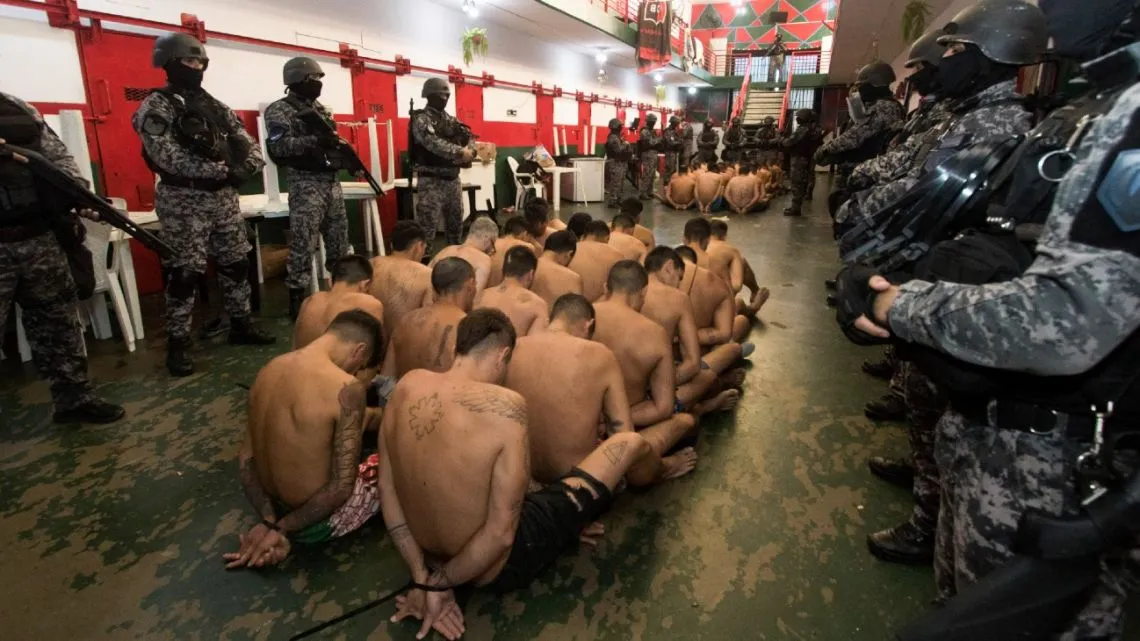
Even before the new law was signed, the violence was rising. On Saturday, June 6, a joint police-and-military operation tried to reopen the Santa Cruz-to-Trinidad highway at San Julián and had to pull back after people were hit by gunfire. The blockades, now in their second month, have left La Paz and its neighbour El Alto desperately short of food, medicine, and fuel; the government counts ten deaths, seven of them people who could not reach medical care in time. In La Paz, the price of meat and some vegetables doubled, and the city government resorted to selling chicken from the back of trucks to crowds who had queued since midday.
By the end of the week the security forces were slowly winning ground. A combined column reopened a key supply route south of the capital on June 5, and similar operations chipped away at the more than 90 blockades still standing. The political danger is that force, not dialogue, is now doing the work — and the army has been handed the legal cover to use much more of it.
High
June 12 · Chile / United States
US and Chilean commandos gather in the cold for Pacific Dagger
On Friday, June 12, operators from the US Army’s 7th Special Forces Group arrived at the Lautaro special-operations brigade base at Peldehue, just north of Santiago, to standardize procedures with Chile’s elite forces ahead of Pacific Dagger 2026. The exercise has a memorable claim to fame — organizers call it the southernmost special-forces training event in the world. Its first edition in June 2024 brought together 1,200 troops and marked a turning point in how closely the two countries’ commandos work together, deliberately moving the action from the deserts of northern Chile to the bitter cold and empty terrain of the far south, near Antarctica.
The point of training in such a punishing environment is simple: special forces are most useful precisely where ordinary units struggle, and few places test soldiers like sub-zero Patagonia. For Chile, hosting American operators in its own backyard is also a statement of trust and alignment — the same message running through Chile’s frigate joining US exercises in the Pacific (Issue #10) and its marines training alongside Brazil (Issue #12).
Med
Mid-June · Brazil
Brazil’s Air Force turns transport planes into a floating Amazon hospital
In the largest humanitarian operation the Brazilian Air Force has ever run, the service has set up a floating field hospital on the rivers of Amazonas state under the banner of Exercise Excelsior 2026. The facility can handle more than 1,500 patients a day, bringing specialist care to a riverside city and the scattered communities along the waterways around it. It is a reminder that, in much of Latin America, the most visible thing a military does is not fight a war but reach the places no one else can — and Brazil increasingly treats that civil-protection role as a core mission rather than an afterthought.
Med
Mid-June · Chile
Chile’s marines win gold at the regional infantry patrol contest
The marine infantry of the Chilean Navy took the gold medal at the 2026 Infantry Patrol Competition, the demanding multinational event hosted by the Chilean Army in Arica that drew a Brazilian team among others (covered in Issue #12). These contests look like sport but function as a shop window: they let armies measure their best small units against neighbours and partners, build relationships, and quietly signal which forces are sharpest. A Chilean marine win, on home ground, is a small but real morale and prestige marker for a navy that has spent the year pushing hard on interoperability with the United States.
03
Policy & Posture
Two governments redrew the rules this week. Bolivia rewrote the legal limits on using its own army against its own people, and the United States moved from squeezing Cuba’s economy to squeezing its president personally. One story is about a state turning inward, the other about a superpower bearing down on a small neighbour. Both turn on the same question: how far is too far.
High
June 7–8 · Bolivia
Bolivia hands its president the power to send the army against protesters
After a 15-hour overnight session, Bolivia’s Chamber of Deputies passed the new States of Exception Regulation Law in the early hours of Sunday, June 7, and President Rodrigo Paz signed it into law the following day. It gives him the legal footing to declare a state of exception — a constitutional emergency that allows the extended use of military force and can restrict the rights to assemble and move freely. In plain terms, the army can now be sent to clear the more than 90 road blockades that have paralyzed the country for five weeks.
The most contested part is Article 26, which presumes that the actions of soldiers and police during an emergency are legal, and puts the burden of proof on whoever later accuses them of wrongdoing. Paz framed the law gently — “this is a law to protect Bolivians… to do what the Constitution commands” — and insisted his hand is extended for dialogue, not raised to strike. Critics heard something darker. Former president Evo Morales called on the international community to watch closely, warning that the law “weakens democratic guarantees,” limits judicial and parliamentary oversight, and widens the army’s role in what are, at bottom, political disputes. This is the third legal step in three weeks, after Bolivia first scrapped the old 2020 limits (Issue #12) and then drafted this replacement (Issue #13). The country’s risk profile now sits second only to Venezuela in the region.
High
June 7–11 · Cuba / United States
Washington sanctions Cuba’s president by name as the pressure goes personal
The US campaign against Cuba shifted this week from squeezing the economy to targeting the people who run the country. On Thursday, June 11, the US Treasury imposed sanctions directly on President Miguel Díaz-Canel, his wife and stepson, members of Raúl Castro’s family, and several organizations Washington says are tied to the Cuban government. The step followed a striking piece of statecraft reported by CNN: CIA Director John Ratcliffe is said to have flown to Havana and delivered an unusual face-to-face ultimatum demanding political change, just days before the US Justice Department formally charged the 94-year-old Raúl Castro over the 1996 shoot-down of two exile aircraft.
All of this unfolds with the carrier USS Nimitz still holding station in the Caribbean (Issues #11 and #12). The pattern deliberately echoes the sequence that preceded January’s operation against Venezuela — indictment, economic blockade, naval deployment — but, as analysts keep pointing out, two things make Cuba different. There is no obvious successor waiting in the wings as there was in Caracas, and a 1962 US law keeps the embargo locked in place, so the White House cannot simply offer to lift it as a reward. Secretary of State Marco Rubio, who has pursued a free Cuba for most of his career, is at the centre of the effort; whether it ends in the change he wants, or in the kind of deal President Trump prefers, is the open question of the summer.
04
Extra-Regional Activity
The pattern of recent months held. The United States was everywhere — sanctioning Cuba, training in Patagonia, donating jets to Chile. China, Russia, and South Korea were almost nowhere, an absence that has become its own kind of headline. Here is who did what.
United States
Active on every front
Sanctioned Cuba’s president personally (June 11) and reportedly delivered a CIA ultimatum in Havana, with the USS Nimitz still in the Caribbean. Sent commandos to train with Chile for Pacific Dagger. Agreed to hand Chile five Harriers for parts. Backed Bolivia’s Paz government as it pushed through its new military-powers law.
China
Nothing to report
No naval visits, no arms deals, no defense diplomacy in the region this week — the fifth straight quiet issue. As Washington bears down on Havana, a long-time partner of Beijing, China’s silence is conspicuous: its usual tools of influence in the hemisphere have little room to operate against this level of US presence.
Russia
Nothing to report
No new arms sales, training deals, or weapons shipments to its traditional partners in Venezuela, Cuba, or Nicaragua. Moscow’s continued absence, precisely as the United States squeezes one of its oldest regional clients, underscores how little it can now do to help the friends it spent the 2010s cultivating.
South Korea
Quiet, but still selling
No new signings this week, but Seoul’s campaigns roll on in the background — the FA-50 light fighter for Peru, and Hanwha’s K2 tank and other vehicles bidding for Brazil’s armored contracts (Issue #12). Korea keeps positioning itself as the region’s third option, between Washington’s hardware and Beijing’s infrastructure.
✦
What to Watch — June 14–20, 2026
Early week
Bolivia — will Paz actually declare the state of exception? He now has the legal power and has not ruled it out. The first formal declaration would mark the sharpest turn toward military force in Bolivia’s internal crisis since 2019.
Throughout
Cuba — Havana’s response to the personal sanctions, and any carrier movement. Whether Díaz-Canel hardens his stance or signals openness, and whether the Nimitz repositions, will show if the pressure is heading toward a deal or a confrontation.
Jun 24 start
Chile — Pacific Dagger 2026 expected to begin. The 2024 edition ran June 24–28 with 1,200 troops; watch for the start date, troop numbers, and whether the exercise grows.
Mid-week
Brazil — any revision to the defense budget freeze. Whether the government softens the R$4.36 billion cut will decide if the Gripen delivery schedule slips further or holds.
Jun 28–Jul 12
Chile — Salitre 2026 multinational air exercise at Antofagasta. Still on the calendar; the big question remains whether Brazil sends its new Gripen to its first coalition exercise abroad.
?
Frequently Asked Questions
What does Bolivia’s new states-of-exception law allow?
Bolivia’s Congress passed the States of Exception Regulation Law early on June 7, 2026, and President Rodrigo Paz signed it on June 8. It gives him the legal basis to declare a state of exception, allowing extended use of the armed forces and restrictions on the rights to assemble and move freely, in order to clear more than 90 road blockades. Its most criticized clause, Article 26, presumes that the actions of soldiers and police during an emergency are legal, shifting the burden of proof onto anyone who accuses them.
What sanctions did the US impose on Cuba in June 2026?
On June 11, 2026, the US Treasury sanctioned Cuban President Miguel Díaz-Canel by name, along with his wife and stepson, members of Raúl Castro’s family, and several organizations Washington links to the Cuban government. The personal sanctions came days after the CIA director reportedly delivered an in-person ultimatum in Havana and after the US Justice Department charged 94-year-old Raúl Castro over the 1996 shoot-down of two exile aircraft. The aircraft carrier USS Nimitz remained positioned in the Caribbean throughout.
What is Pacific Dagger 2026?
Pacific Dagger is a combined special-forces exercise run by Chile and the United States, described by its organizers as the southernmost such training event in the world. On June 12, 2026, US Army 7th Special Forces Group operators arrived at the Lautaro brigade base at Peldehue to prepare with Chilean commandos. The first edition, held June 24–28, 2024, gathered 1,200 troops and focused on operating in the extreme cold of Chile’s far south, near Antarctica. The 2026 edition is expected to begin in late June.
How is Brazil’s budget freeze affecting the Gripen fighter program?
In late May 2026 the Brazilian government froze 4.363 billion reais (about 790 million dollars) of the defense budget, hitting the funds used for purchases and upkeep. The most exposed program is the F-39 Gripen: only 10 of 36 ordered jets have been delivered, and the schedule has already slipped toward 2032. Air Force estimates suggest the interest paid on the financing alone would buy three to five more aircraft, putting deliveries, modernization, and drone purchases in direct competition for scarce money.
§
Sources & Methodology
This issue draws on Spanish- and Portuguese-language defense outlets including Infodefense, Defense.com, Zona Militar, Sociedade Militar, DefesaNet, and Poder Aéreo, alongside primary-source institutional releases (Chilean Army, Brazilian Air Force, Bolivian Presidency, US Treasury and Southern Command), domestic and international press (CNN en Español, AFP, EFE, DW, Los Tiempos, El Deber, teleSUR, La Tercera, The Hill, CNN Brasil), and event chronologies cross-checked against primary reporting. The significance markers — High, Med, and Low — reflect our editorial judgment of each story’s operational and strategic weight, not a measure of how widely it was reported. We use a standard set of procurement stages (request for information, request for proposals, shortlist, best and final offer, contract signed, in production, delivered, operational) so readers can track where each program stands week to week.
Latin America Defense Monitor
Weekly Edition · Saturday, June 13, 2026 · By The Rio Times Defense Desk