By The Rio Times | Created at 2026-06-18 11:31:55 | Updated at 2026-06-18 13:48:57
2 hours ago
By The Rio Times | Created at 2026-06-18 11:31:55 | Updated at 2026-06-18 13:48:57
2 hours ago
Energy · Policy
—The target. Mexico wants electricity to reach 99.99 percent of the country by 2028, up from 99.85 percent today.
—The gap. Around 740,000 people in more than eight thousand small, remote communities still have no formal power supply.
—The bill. The plan funds more than 45,000 electrification works at a cost of about 21.4 billion pesos ($1.2 billion).
—The method. Where grid lines cannot easily reach, the state will install off-grid solar systems instead.
—The doctrine. Officials frame power as a social right, a concept written into the 2024 energy reform.
—The backdrop. The state power utility now serves 50 million customers and runs one of the largest grids on earth.
A new government plan promises to push Mexico electricity coverage to almost the entire population by 2028, closing a last-mile gap that has left hundreds of thousands of people in the dark.
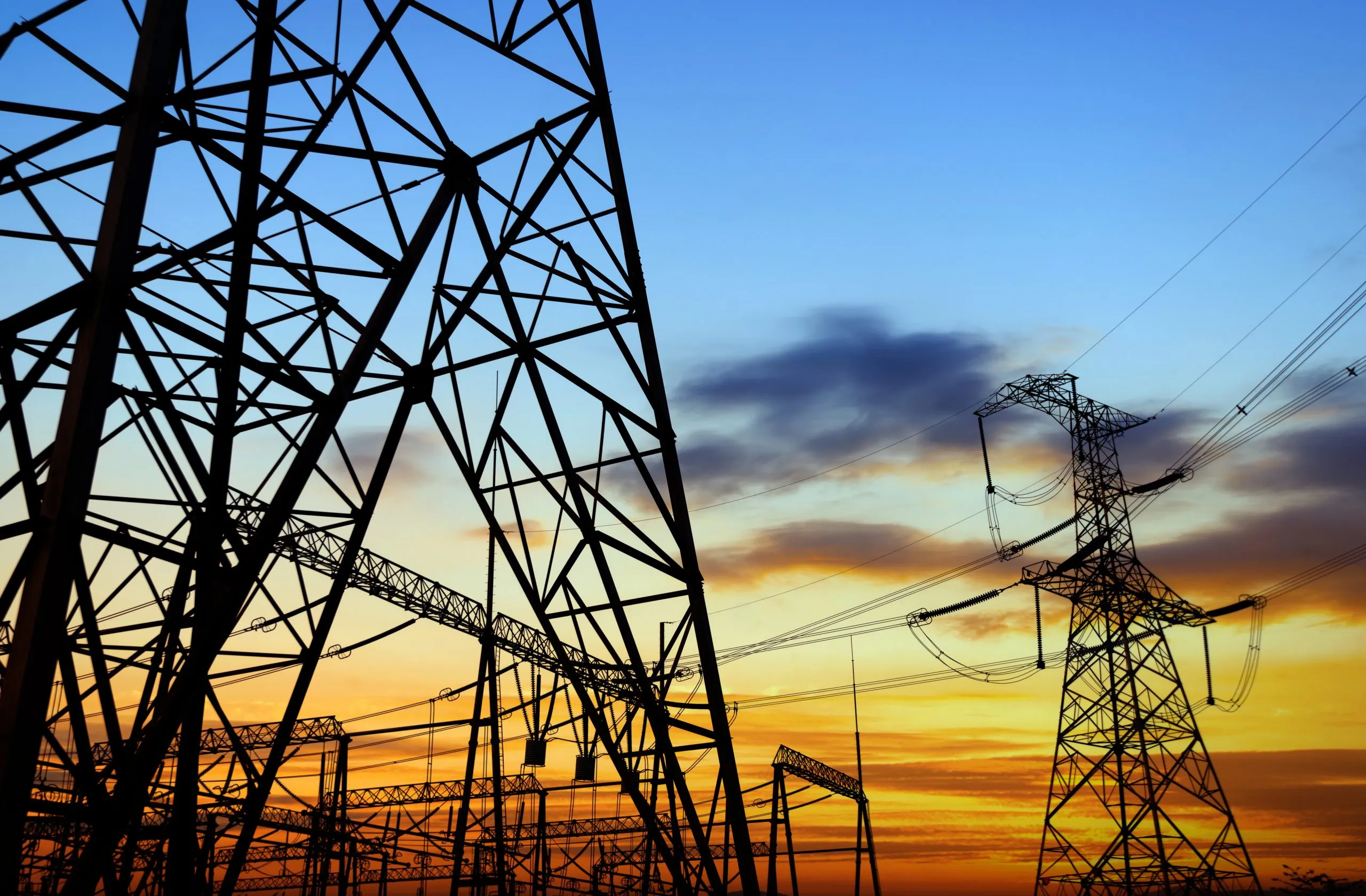
What the Mexico electricity coverage plan promises
The government has set out a plan to bring power to almost every home in the country by the end of its term in 2028. It was unveiled at the president’s daily morning press conference and branded as a programme of energy justice.
The headline goal is to lift national coverage to nearly one hundred percent. On paper that is a small step from where the country already stands.
In practice it is a hard one. The people still without power are precisely the hardest and costliest to reach.
Officials put the remaining gap at around 740,000 people, scattered across more than eight thousand small communities. Most live in isolated rural areas and Indigenous villages far from existing lines.
How the state plans to close the gap
The plan funds more than 45,000 separate electrification works, running from now through 2028. The price tag is about 21 billion pesos, or roughly one and a quarter billion dollars.
The approach changes with the terrain. In places where it makes little sense to string new cables across mountains, the state will install solar systems that generate power on the spot.
One of the largest single efforts targets the rugged Sierra Tarahumara in the north, with hundreds of works planned there. In informal urban settlements, the fix is different again, pairing land regularisation with proper metered connections.
The state power utility says it has carried out some 17,000 such works so far in this administration. Officials claim the full programme will more than triple the total built across two earlier presidential terms.
Live Company IntelligenceTargets -Total Power Coverage by 2028 in Rural Push — the full investor dossierInside: live share price, peer benchmarks and the latest Rio Times coverage on the company.Rio Times · Live Ticker Intelligence
Targets -Total Power Coverage by 2028 in Rural Push
NEAR · Latin American market listing
Share price · live
R$2.19
▲ +0.60% today
A vast grid with a few dark corners
For all the focus on the gap, the starting point is a position of strength. The state power utility now serves around 50 million customers and runs one of the largest electricity networks anywhere in the world.
That network stretches across more than 111,000 kilometres of transmission lines, fed by well over a hundred power plants. The remaining unserved communities are a tiny fraction of the whole, which is why the final push is framed as finishing a job rather than starting one.
The political message is deliberate. By presenting near-universal access as a matter of justice, the government ties a technical infrastructure programme to its wider promise of lifting long-neglected regions.
It also lands at a useful moment. The country is hosting part of this year’s football World Cup, and the government has been keen to project competence and reach as the world watches.
Why it matters for investors
The numbers involved are modest next to Mexico‘s broader energy spending, which runs into the tens of billions of dollars. This is a social-access programme, not the heavy generation build-out that industry watches most closely.
Its real significance is what it signals about doctrine. The 2024 energy reform recast electricity as a right rather than a commodity, and this plan is that idea turned into spending and targets.
For investors, the read-through is the direction of travel. A government that frames power as a public entitlement is one that keeps the state utility at the centre, which shapes the terms on which private capital is invited into generation and the grid.
There is also a gap worth watching between the access story and the supply story. While the state extends the last mile of the network, the same grid has struggled with reliability in the industrial heartland, where blackouts threaten the nearshoring boom.
The two challenges pull in different directions. One is about reaching the last few villages cheaply, the other about feeding power-hungry factories at scale, and the same utility must now manage both at once.
Frequently Asked Questions
What is the Mexico electricity coverage target for 2028?
The government aims to reach almost the entire country by 2028, up from just under that level today. In practice that means bringing power to nearly every remaining household, however remote.
How many people in Mexico still lack electricity?
Officials put the figure at around 740,000 people, living in more than eight thousand small communities. They are concentrated in isolated rural areas and Indigenous villages that the grid has never reached.
How much will the plan cost?
The programme funds more than 45,000 electrification works at about 21 billion pesos, or roughly one and a quarter billion dollars. The money runs from now through the end of the presidential term in 2028.
The Rio Times · Power Map
See who really holds power in Latin America
Click to open the Power Map →