By The Rio Times | Created at 2026-06-18 11:26:54 | Updated at 2026-06-18 13:50:30
2 hours ago
By The Rio Times | Created at 2026-06-18 11:26:54 | Updated at 2026-06-18 13:50:30
2 hours ago
Metropole · Sport
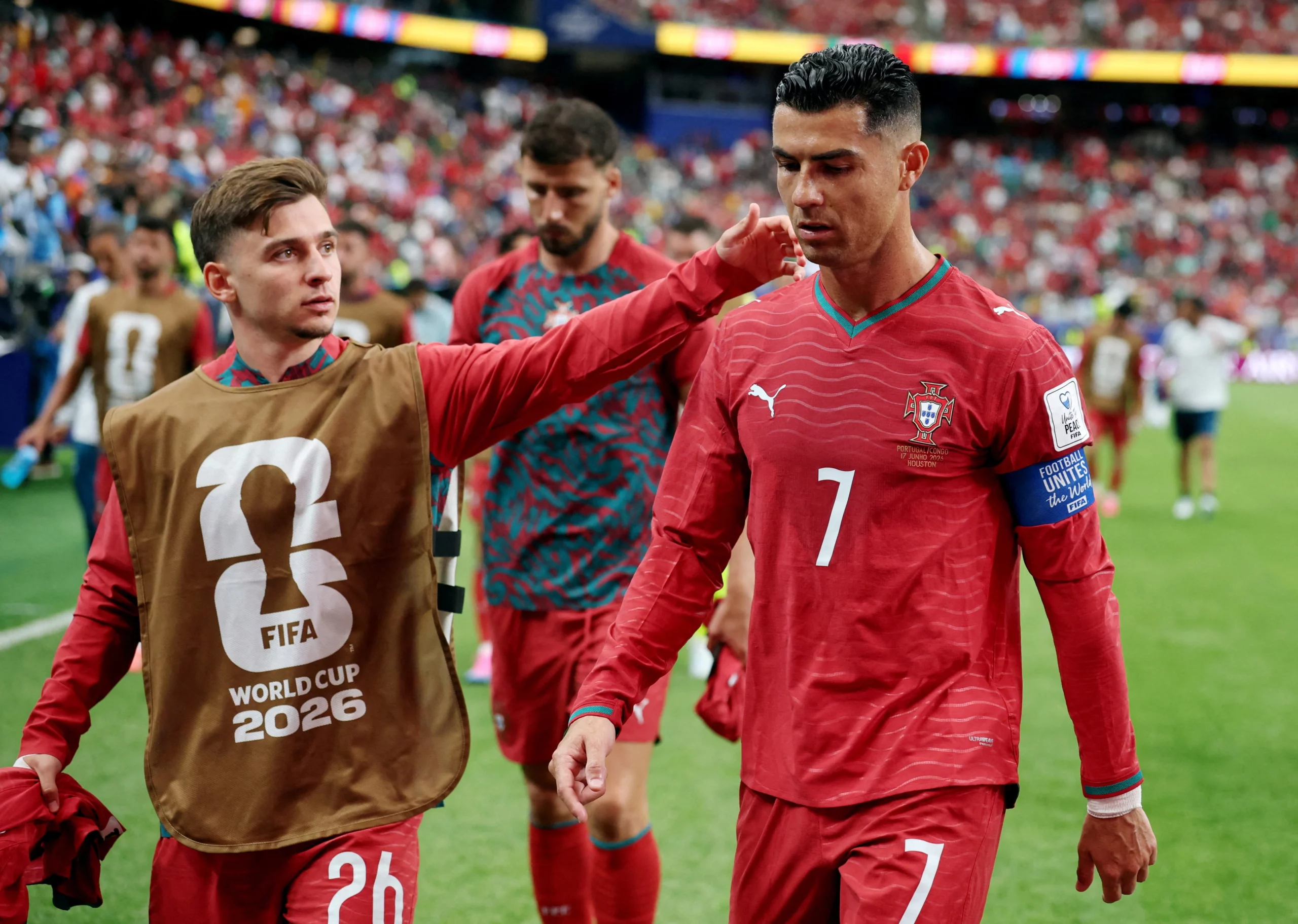
—The gesture. Portugal’s players, including Cristiano Ronaldo, are wearing wristbands in memory of Diogo Jota at the World Cup.
—The loss. Jota, a Liverpool forward, died in a car crash in July last year, aged twenty-eight.
—The squad. Coach Roberto Martinez named him the symbolic “plus one,” calling the group twenty-seven names plus one.
—The wristbands. Prime Minister Luís Montenegro handed players bands bearing the squad’s names alongside Jota’s.
—The family. His younger brother André Silva also died in the crash, and Jota left a wife and three young children.
—The debut. Portugal wore the bands in their opening match, a draw with the Democratic Republic of the Congo.
Portugal’s Diogo Jota tribute is a quiet one, a wristband on every player’s arm, carrying a teammate who died last year into the World Cup he had trained so hard to reach.
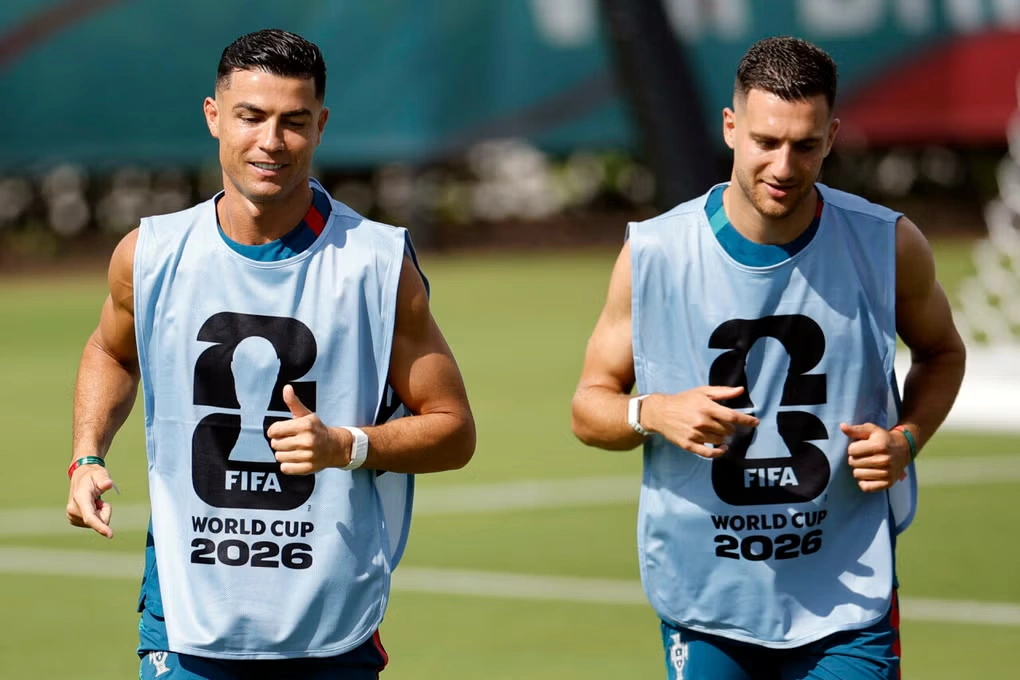
A Diogo Jota tribute woven into the squad
When Portugal walked out for their opening match, every player carried a small reminder of someone who was not there. On their wrists were bands made in the national colours, in memory of Diogo Jota.
Jota was a forward for Portugal and for Liverpool, and he should have been at this tournament. He had trained for it and earned his place before his life ended suddenly last year.
The wristbands were handed to the players by Portugal’s prime minister, Luís Montenegro. Each band carries the names of the current squad members, set alongside the name of the teammate they lost.
The loss that shook Portuguese football
Jota died in a car crash in July last year, at the age of twenty-eight. His younger brother, André Silva, who was twenty-five and played for the Portuguese club FC Penafiel, was also killed.
The timing made the loss harder still. Jota had just helped Liverpool win the English league title, and had married only weeks earlier.
He left behind a wife and three young children, the youngest barely one year old. The grief reached well beyond the football world.
For Portuguese supporters, the grief was immediate and national. A popular, hard-working forward, admired as much for his attitude as his goals, was gone at the height of his career.
The mourning was not confined to Portugal. Players from other national teams have paid their own respects during the tournament, a sign of how widely Jota was liked across the game.
At Liverpool, where he had just won the title, the loss landed hardest of all. The club and its supporters had lost a forward at the peak of his powers, only weeks after celebrating together.
The “plus one” on the team sheet
Portugal’s coach, Roberto Martinez, chose to keep Jota present rather than absent. When he named his squad, he described it as twenty-seven players plus one, with Jota as the symbolic extra man.
He spoke of carrying forward the player’s dream and his example, and of a duty the team felt the day after his death to honour what he had stood for. Jota, he said, would be the plus one forever.
It is the kind of gesture that gives a grieving group something to hold on to. The squad turned a private sorrow into a shared purpose they could carry onto the pitch together.
Jota had become a fixture of the national team in the years before his death. He was the sort of forward coaches trust, willing to press, track back and do the unglamorous work as readily as he scored.
That reputation is part of why the tribute resonates. The players are not only mourning a friend; they are honouring a professional whose example they say they want to carry through the tournament.
Why the story travels to Brazil
For readers across the Portuguese-speaking world, this is not a distant story. Portugal carries deep cultural weight in Brazil, and a Liverpool star with a global profile was a familiar, well-liked figure far beyond Europe.
It is also a reminder that a World Cup is more than results. Among the records and the rivalries, the tournament holds room for an ordinary human grief that any reader can recognise.
Portugal’s players wore the bands again in their first game, a draw with the Democratic Republic of the Congo. Whatever happens next, they intend to keep their lost teammate with them to the end.
Small gestures like this often outlast the football itself. Long after the scores are forgotten, the image of a team carrying an absent friend tends to be what supporters remember most.
Frequently Asked Questions
What is the Diogo Jota tribute at the World Cup?
Portugal’s players, including Cristiano Ronaldo, are wearing wristbands in memory of teammate Diogo Jota. The bands, given to them by Prime Minister Luís Montenegro, carry the squad’s names alongside his.
How did Diogo Jota die?
The Liverpool and Portugal forward died in a car crash in July last year, aged twenty-eight, along with his younger brother, André Silva. Jota had recently won the English league title and married only weeks before.
Why does Portugal call the squad “twenty-seven plus one”?
Coach Roberto Martinez named Jota the symbolic extra member of the team, the “plus one,” so that the player he lost would still be counted among the squad he had earned his place in.
The Rio Times · Power Map
See who really holds power in Latin America
Click to open the Power Map →