 By Miltary.com | Created at 2026-09-06 09:30:50 | Updated at 2026-10-02 03:09:14
3 weeks ago
By Miltary.com | Created at 2026-09-06 09:30:50 | Updated at 2026-10-02 03:09:14
3 weeks ago
Published Sep 6, 2026, 5:00 AM EDT
A national security concern is that foreign adversaries can buy that commercially available data to track and target U.S. personnel deployed to war

Published Sep 6, 2026, 5:00 AM EDT
The U.S. military has disabled advertising trackers on its phones and computers that can reveal a service member's location, according to letters the armed services sent to Congress.
Those disclosures, reported by Reuters and released Friday by Sen. Ron Wyden (D-Ore.), show that most mobile-device protections were put in place only this year. The Air Force said it disabled advertising identifiers on its computers and phones about two months ago.
U.S. Special Operations Command said it had "recently" disabled them on its Windows devices. The Army said it had blocked the identifiers on Windows computers "since before 2021" but had turned them off by default on Android and Apple mobile devices only "since at least February 2026," according to Reuters.
The Army and Navy confirmed the changes but did not say when the mobile restrictions took effect.

United States Capitol building with the American flag blowing in the wind in Washington, D.C., Dec. 10. 2025. The US. Capitol is the meeting place of the nation's legislature, the U.S. Congress. (U.S. Army photo by Sgt. Eli Baker)
At issue are mobile advertising identifiers. These are unique codes tied to individual devices that data brokers use to pinpoint a phone's location, then sell it to third parties.
The national security concern is that foreign adversaries can buy that commercially available data to track and target U.S. personnel deployed to war zones.
Lawmakers Escalate to Formal Investigation
Both branches disclosed the changes in response to Wyden and Rep. Pat Harrigan, a North Carolina Republican. They sent a letter to Defense Department Inspector General Platte B. Moring III requesting a formal review.
Wyden and Harrigan asked the inspector general to examine whether existing policies had actually stopped the sale of location data tied to military facilities, and to respond by Oct. 2.
Wyden said in a statement that the military's efforts "have not been effective at neutralizing this threat."
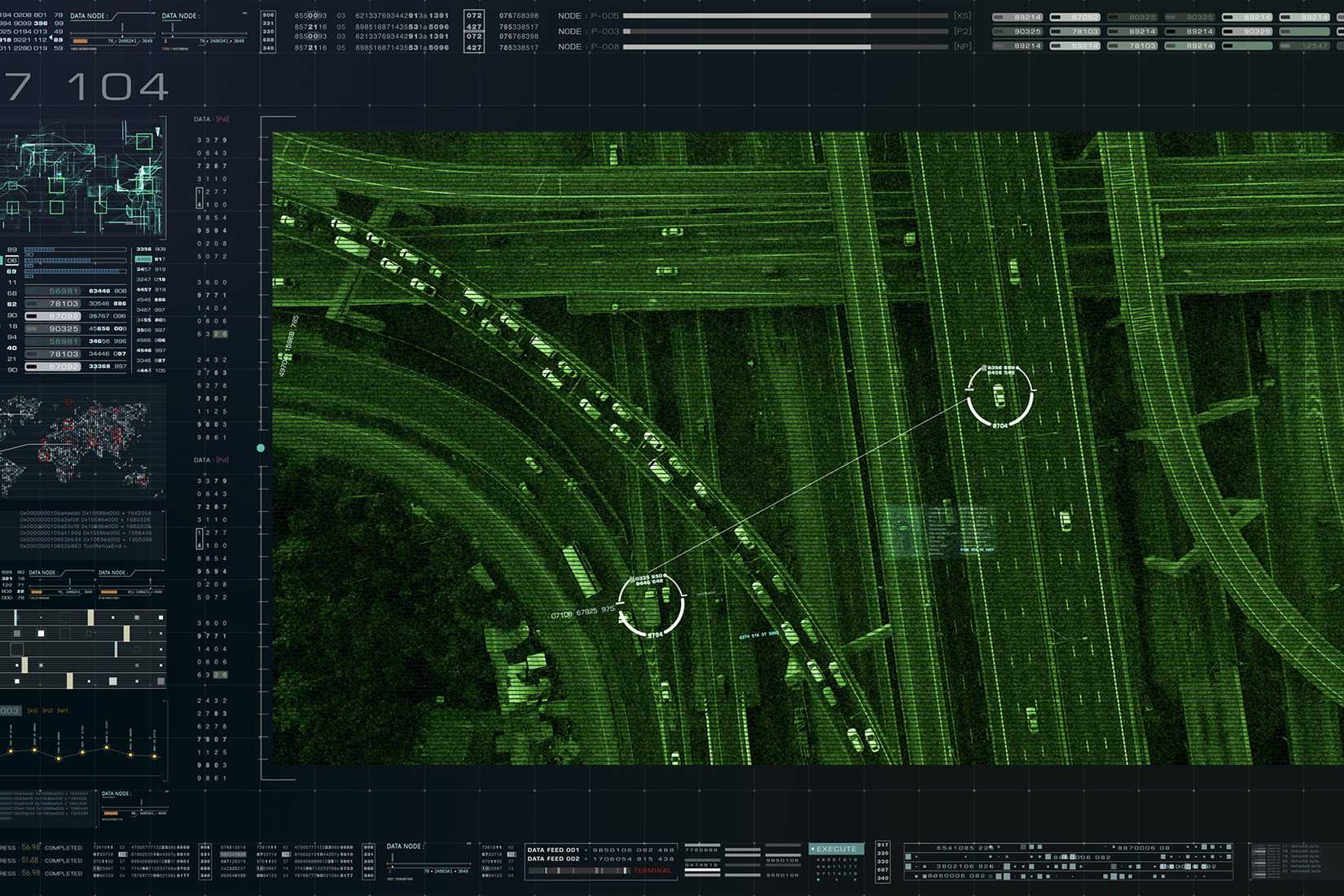 One part of the letter encourages DOD to pre-install privacy-focused web browsers on department-issued devices to protect users with anti-tracking cyber defenses. (Shutterstock)
Harrigan said U.S. enemies "should not be able to pull out a credit card and buy information that helps them track American troops."
The letter raised a possibility the lawmakers called particularly alarming. Commercial data for sale may originate not from government-issued devices but from the personal phones service members and contractors carry into military facilities and operational areas.
Wyden and Harrigan asked the inspector general to determine whether personal devices are the source and, if so, to recommend controls on their use in sensitive areas.
Threat Reported Months Ago
The letter follows reporting that adversaries had used commercial location data to target American forces in the Middle East.
Military.com reported in June that U.S. Central Command had confirmed, for the first time, receiving threat reports of adversaries exploiting commercial location data to target or surveil U.S. personnel in theater during Operation Epic Fury.
 Secretary of War Pete Hegseth and Chairman of the Joint Chiefs of Staff Gen. Dan Caine conduct a press briefing on Operation Epic Fury at the Pentagon, Arlington, Virginia, March 4, 2026. At the direction of the President of the United States U.S. Central Command (CENTCOM) commenced Operation Epic Fury Feb. 28. (DoW photo by Benjamin Applebaum)
Wyden, Harrigan and 12 other lawmakers first pressed the department on the issue in a May letter to its chief information officer.
That concern has since become entangled with a broader push to limit troops' phone use. In July, Reuters reported that some deployed personnel in the Middle East could be ordered to surrender their phones over fears that videos they posted online were helping Iran target American bases.
An Incomplete Fix
Outside experts described the changes as useful but limited.
Zach Edwards, co-founder of the privacy technology company Decryptads, said disabling the advertising identifiers was "definitely a positive thing" that would keep personnel out of bulk data sales.
But he cautioned that troops could still be tracked in more complicated ways, such as by combining technical details from a device with network or location information.
The Pentagon said it would respond to the lawmakers directly, consistent with its practice of not commenting on congressional correspondence.
Military.com has reached out to the inspector general's office and will update this story with any response.