By New York Post (World News) | Created at 2026-08-31 18:45:34 | Updated at 2026-08-31 19:26:13
41 minutes ago
By New York Post (World News) | Created at 2026-08-31 18:45:34 | Updated at 2026-08-31 19:26:13
41 minutes ago
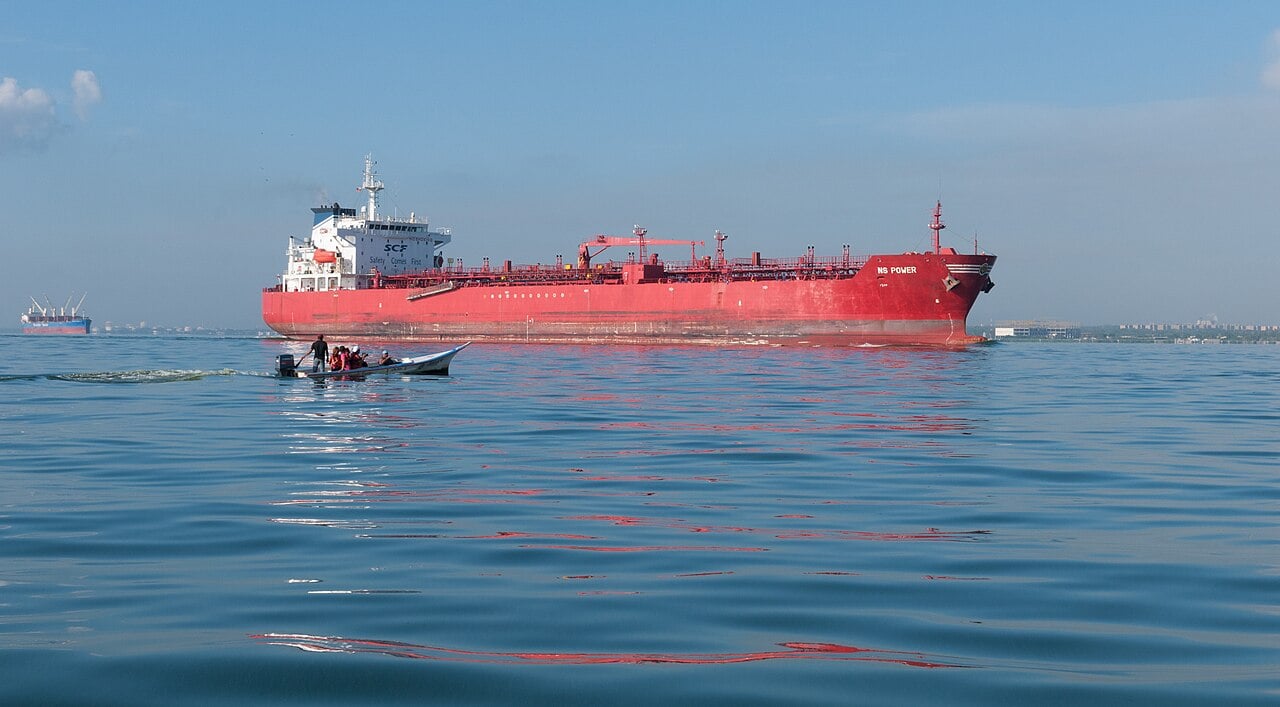
An average of 8.6 million barrels of oil a day have been flowing through the Strait of Hormuz — more than previously reported, maritime analyst firm Kpler confirmed in a new update that matches estimates from the Trump administration.
After US Energy Secretary Chris Wright asserted earlier this month that 9 million barrels of oil were passing through the Strait daily, several media outlets pointed out that Kpler was reporting much lower figures.
Kpler and other trackers had initially put the number closer to 5 million, but new data includes “dark transits,” where ships turn off their transponders and secret ship-to-ship transfers, which the group wasn’t previously tracking.
Tracking the total oil flow out of the Strait of Hormuz has remained difficult given that the majority of ships exiting the critical waterway have been doing so using dark fleet tactics.
The practice sees tankers shut off their transponders days or even weeks before making the journey through the Strait, with the ships not showing up on radars until long after reaching their final destinations.
Also muddying the calculations were the secret “ship-to-ship” tactics being utilized, where tankers unwilling to make the crossing due to threat of Iranian attacks transfer their cargo to other vessels around the Strait.
Those ships would then in turn make the trip themselves or unload using Oman’s offshore shuttle system. Those shipments were originally counted under the Gulf of Oman net exports rather than the total Hormuz clearance.
The nature of the transits left Kpler and other analysts to report only a handful of crossings every day, figures that were picked up by media outlets and used to point out the discrepancy between what was being reported and what the Trump administration was claiming.
The White House has long-maintained that the data firms were missing a chunk of the exports due to the dark transits, with Kpler now confirming the fact as the dark ships start reappearing and painting a clearer picture of the oil flow.
“When a movement is confirmed late, it is backdated to its likely transit or Gulf of Oman lifting date rather than booked on the day of confirmation, so revisions fill in history where the barrels actually moved instead of spiking the present,” Kpler said.
“Movements that official channels have verified through their own sources may simply still be waiting on evidence here, which is why recent figures are floors still filling in rather than settled values,” the firm added.
While average oil flow out of the Strait of Hormuz has seen an uptick since the initial memorandum of understanding was signed in June, it still remains less than half the 20 million barrels per day that sailed before the war.