By The Rio Times | Created at 2026-06-22 13:41:32 | Updated at 2026-06-22 16:46:25
3 hours ago
By The Rio Times | Created at 2026-06-22 13:41:32 | Updated at 2026-06-22 16:46:25
3 hours ago
Economy · Paraguay
Key Facts
—The ambition. Paraguay wants to join the OECD, the club of mostly rich economies, and President Santiago Peña says he wants to do it in record time.
—The growth. The World Bank expects Paraguay to grow about 4.2 percent a year through 2028, the fastest in South America bar oil-rich Guyana, and nearly double the regional pace.
—The seal. Two of the three big agencies now rate Paraguay investment grade: Moody’s since 2024 and S&P since December 2025.
—The rule. A fiscal-responsibility law caps the central government deficit at one and a half percent of output, and public debt sits near forty percent.
—The catch. Joining usually takes about five years, and Paraguay still has weak courts and informal work to fix.
—The money. Two giant projects are landing: the Paracel pulp mill worth four to five billion dollars and the Atome green-fertiliser plant near two billion.
The Paraguay OECD bid is the boldest sign yet that South America’s best-kept-secret economy wants to be treated as a developed country, not just a fast-growing one.
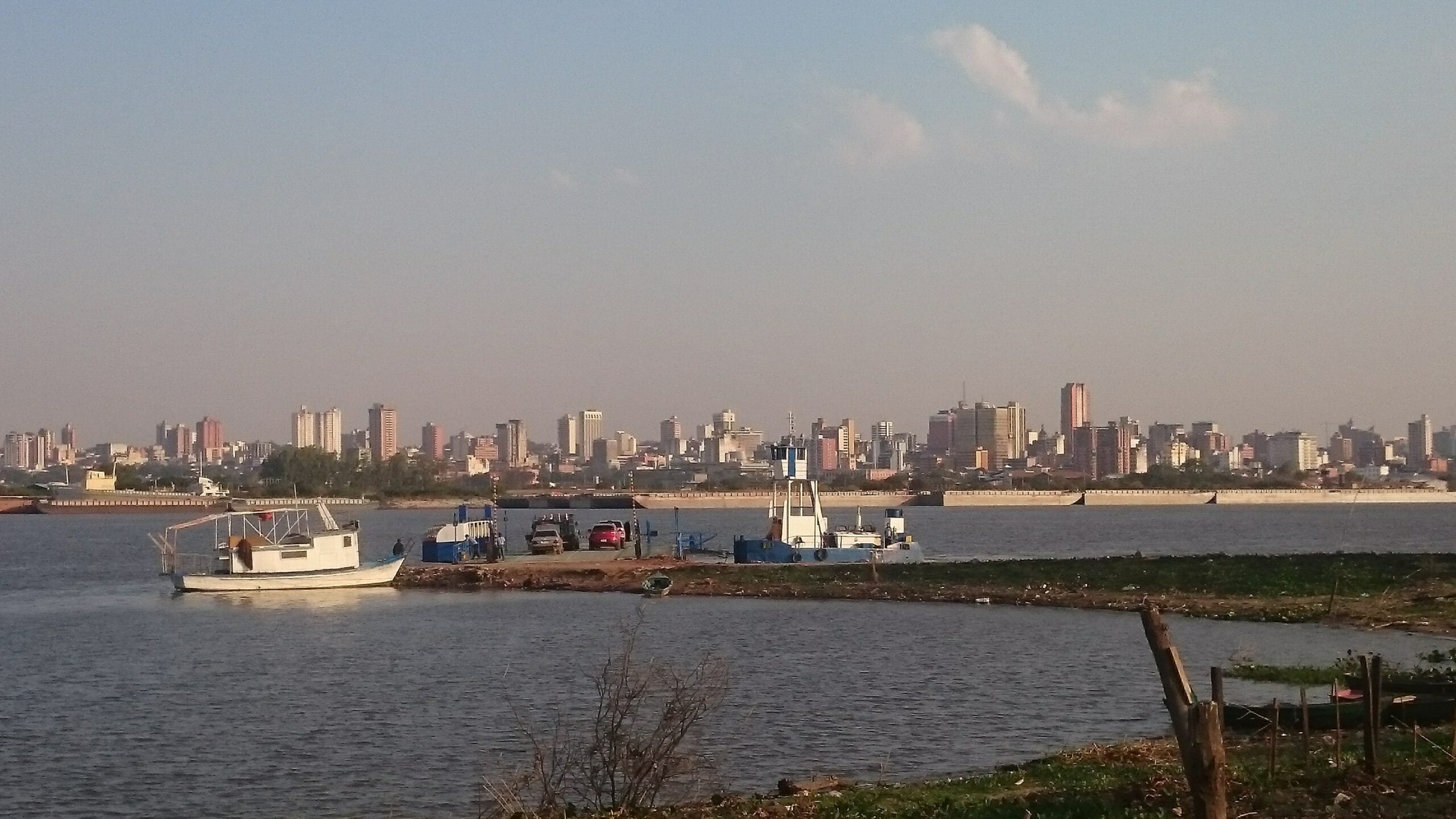 Asunción, where Paraguay’s government is steering an ambitious bid to join the OECD. (Photo internet reproduction)
For decades Paraguay was the country foreign investors skipped over. Landlocked, small and known mostly for soybeans and a giant dam, it rarely made anyone’s shortlist.
That is changing fast, and the government wants the world to notice. Its newest goal is membership of the OECD, the Paris-based group of mostly wealthy economies that sets the rules other countries try to copy.
Why the Paraguay OECD push matters
The OECD is often called the rich countries’ club. Its thirty-eight members produce roughly sixty percent of the world economy, and joining is treated as a seal of institutional quality.
In Latin America only Mexico, Chile, Colombia and Costa Rica have made it in. For an outside investor, membership signals that a country runs on predictable rules rather than political whim.
Paraguay took a concrete step in June 2025, signing a three-year cooperation deal with the OECD in Paris. According to Paraguay’s economy ministry, that programme sets a roadmap across growth, social policy, governance, the environment and trade.
In January the government went further, formally declaring the OECD push a matter of national interest. The decree handed the economy and foreign ministries the job of driving it.
A boom that keeps running
The ambition rests on an unusually strong run of growth. The economy expanded about six and a half percent in 2025, and the World Bank expects roughly four percent a year through 2028.
That makes Paraguay the fastest-growing economy in South America apart from oil-rich Guyana, and close to double the regional average of around two percent. It is outpacing far bigger neighbours such as Brazil, Argentina and Chile.
What is striking is how it is growing. The World Bank credits cheap, clean hydropower from the Itaipú and Yacyretá dams, which gives industry a lasting cost edge and pulls in factories and green projects.
The bank also notes that the biggest income gains have gone to the poorest households, not just the top. Inflation, meanwhile, has stayed low, running close to the central bank’s target.
The investment-grade foundation
Underpinning all this is a hard-won reputation for fiscal discipline. A responsibility law caps the central government deficit at one and a half percent of output, a target Congress signed off on for this year.
Public debt sits near forty percent of output, low by regional standards. Two of the three big rating agencies now place Paraguay in investment grade: Moody’s since 2024 and Standard & Poor’s since December 2025.
The third, Fitch, still rates the country one notch below but recently raised its outlook to positive. That double endorsement matters because many large investment funds can only buy bonds from investment-grade borrowers.
The real money is starting to show up. Two projects stand out: the Paracel pulp mill, worth four to five billion dollars and the largest private investment in the country’s history, and the Atome green-fertiliser plant at close to two billion.
The catch
Wanting in is not the same as getting in. Joining the OECD usually takes about five years of reviews, which would likely push final entry beyond the end of President Peña’s term in 2028.
Peña, a former International Monetary Fund economist, has set the goal of breaking the speed record anyway. He has said he wants to leave office with a clear path to membership as his legacy.
The hardest reforms touch Paraguay’s known weak spots. The OECD will press on courts, transparency and the fight against corruption, areas the World Bank has flagged as needing stronger institutions.
There is also the labour market. Around three in five workers are informal, outside the tax and pension systems, and shrinking that share without choking hiring is a delicate balance.
Paraguay can study a cautionary tale next door. Peru chased the same goal for years, only to see political instability and corruption scandals stall it, a reminder that the club judges institutions, not just growth rates.
For a London or Munich investor, the bid is a useful forward signal. If Paraguay can keep its rules steady long enough to satisfy the OECD, the best-kept secret in South America may not stay secret for much longer.
Frequently Asked Questions
What is the Paraguay OECD bid?
It is Paraguay’s drive to join the OECD, the Paris-based group of mostly wealthy economies that sets widely copied policy standards. The country signed a three-year cooperation programme with the organisation in 2025 and declared the push a matter of national interest in January 2026.
Why is Paraguay growing so fast?
The World Bank credits cheap, clean hydropower, fiscal discipline and a shift toward investment and industry rather than just farming. The economy grew about six and a half percent in 2025 and is expected to expand around four percent a year through 2028, the fastest in South America after oil-rich Guyana.
What could hold the bid back?
Joining the OECD usually takes about five years and turns on institutions, not growth. Paraguay must strengthen its courts and transparency and shrink a large informal labour market, which is why entry would probably come after President Peña leaves office in 2028.
The Rio Times · Power Map
See who really holds power in Latin America
Click to open the Power Map →