By The Rio Times | Created at 2026-09-10 11:06:38 | Updated at 2026-10-04 11:54:39
3 weeks ago
By The Rio Times | Created at 2026-09-10 11:06:38 | Updated at 2026-10-04 11:54:39
3 weeks ago
PERU · FISCAL POLICY
Key Facts
- —The warning Alonso Segura, president of Peru’s Fiscal Council, says the country’s financial-asset savings are at their lowest point in around 25 years.
- —The timing It arrives as El Niño intensifies.
- —The comparison In 2017 the fiscal stabilisation fund plus liquid reserves exceeded 4 percent of GDP.
- —The paradox The erosion happened during a period of record commodity prices.
- —The exposure El Niño events impose direct costs on Peruvian agriculture, fisheries and infrastructure.
- —The date Segura made the statement on 9 September 2026.
Peru is earning record export revenue and holding the smallest financial buffer it has had this century. El Niño is arriving anyway.
One-stop reference
Company Intelligence
Every listed company in Latin America — financials, ownership and structure for 1,450+ companies across 26 exchanges, in one place.
The president of Peru’s Fiscal Council warned on Wednesday that the country’s financial-asset savings stand at their lowest level in around a quarter of a century, just as El Niño conditions intensify.
What Segura Said
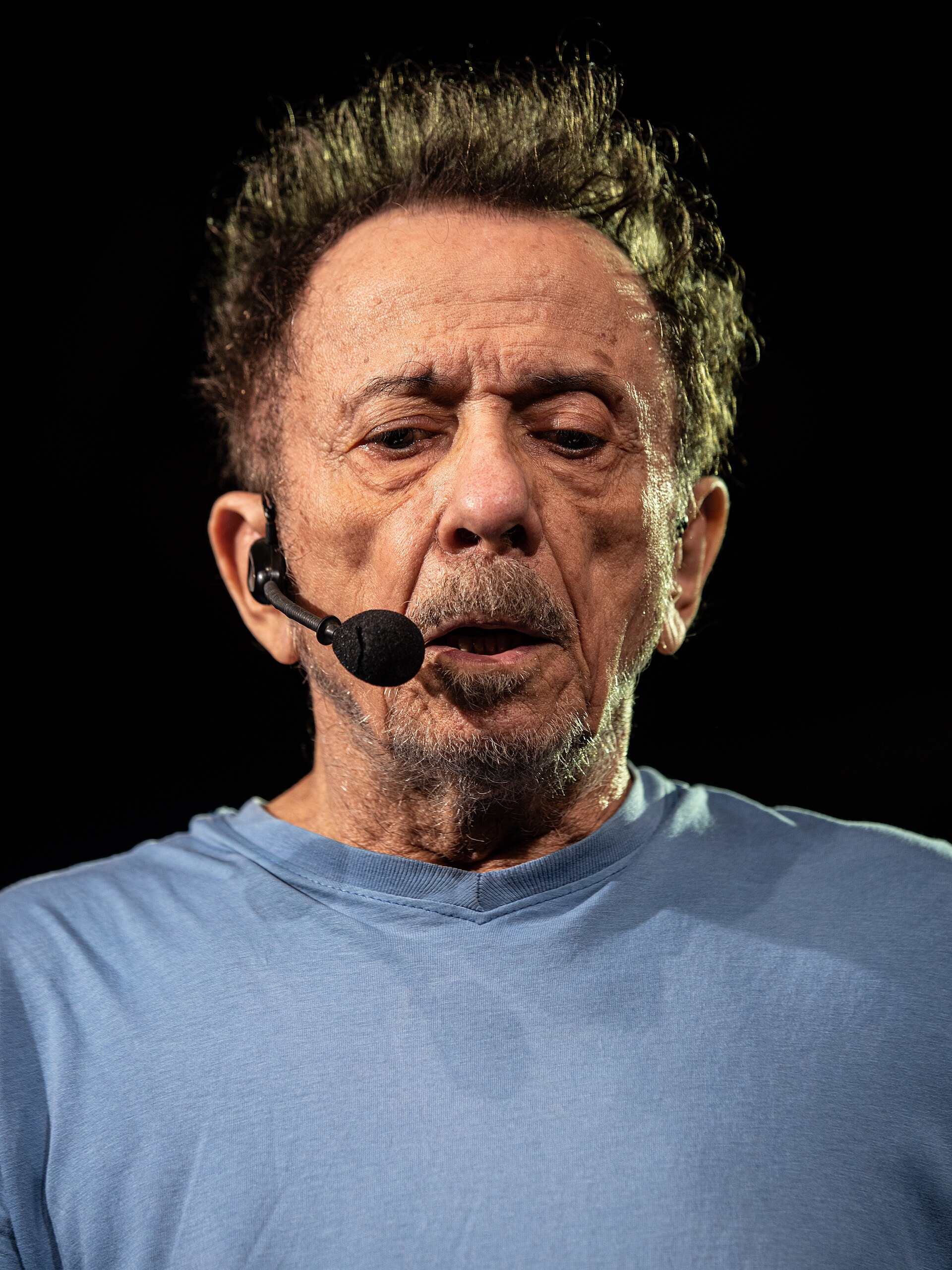
Alonso Segura, who heads the Consejo Fiscal, put it plainly: the phenomenon finds us with financial-asset savings at their minimum point in around 25 years.
The measure he is describing is broad financial-asset savings, which include the Fondo de Estabilización Fiscal but are not limited to it.
His reference point is 2017, when the stabilisation fund together with liquid reserves exceeded 4 percent of GDP. The intervening erosion has run through a period of unusually strong commodity revenue.
Why the Timing Matters
A fiscal stabilisation fund exists precisely for events like El Niño. Peru’s coastal El Niño events damage fisheries, disrupt agriculture, wash out roads and bridges, and impose emergency spending that arrives without warning.
The 2017 event produced flooding and landslides across the north of the country with reconstruction costs measured in billions of dollars. That was the year the buffer was above 4 percent of GDP.
The buffer is now materially smaller, and the events it exists to absorb have not become less frequent.
The Uncomfortable Pairing
Peru reported exports of US$63.5 billion in the first seven months of 2026, up 33 percent, driven by copper and gold at prices well above their recent averages.
A country with commodity revenue at those levels would normally be rebuilding reserves rather than running them down. That it has not is the point Segura is making.
It is also a political observation dressed as a technical one. Saving windfall revenue requires refusing to spend it, which is difficult in any year and particularly difficult in a country that has changed presidents repeatedly since 2020.
What the Stabilisation Fund Was For
The Fondo de Estabilización Fiscal was designed to do one thing: capture revenue in years when commodity prices are high so that spending does not have to be cut when they fall.
Peru built a strong international reputation on it. Through the 2000s and early 2010s the country ran fiscal surpluses during the commodity boom, accumulated reserves, and entered the 2015 downturn with room to spend.
That reputation was worth real money. It underpinned an investment-grade credit rating that gave Peru the cheapest sovereign borrowing costs in the region outside Chile.
The fund peaked at over 4 percent of GDP when combined with liquid reserves. Segura’s reference to 2017 is a reference to that peak.
How It Was Spent
The pandemic accounted for a large part of the drawdown, and that is what the fund existed for. Peru ran one of the largest fiscal responses in Latin America relative to the size of its economy.
What happened afterwards is the harder part. Political instability since 2020 has produced a rapid turnover of presidents and cabinets, and each transition has tended to be accompanied by spending commitments made to secure congressional support.
Rebuilding a stabilisation fund requires a government that expects to be in office long enough to benefit from the discipline. Peru has not had one.
The result is a country entering a climatic shock with a buffer built for a smaller shock than the one it faces.
What El Niño Costs
Peru’s coastal El Niño events are among the most economically damaging in the world because the warm water sits directly against the country’s most productive coastal agriculture and its anchoveta fishery.
The 2017 event, known as El Niño costero, produced flooding and landslides across the northern coast, killed more than a hundred people, destroyed thousands of homes and imposed reconstruction costs in the billions of dollars.
The fishing sector is the fastest-moving loss. Warm water drives anchoveta into deeper, cooler layers, catch quotas get cut or cancelled, and fishmeal exports drop within a single season.
These are not tail risks. They are a recurring feature of the Peruvian economy on a cycle of a few years, and the fiscal framework exists specifically to absorb them.
More: Peru news in English, every day from The Rio Times.
Frequently Asked Questions
What did the Fiscal Council say?
Its president, Alonso Segura, said Peru’s financial-asset savings are at their lowest point in around 25 years.
What is the comparison?
In 2017 the fiscal stabilisation fund plus liquid reserves exceeded 4 percent of GDP.
Why does it matter now?
El Niño conditions are intensifying, and such events impose sudden costs on agriculture, fisheries and infrastructure.
Did commodity revenue not help?
The erosion occurred during a period of record commodity prices, which is the core of the criticism.
When was the warning made?
9 September 2026.
Sources: Gestión, Consejo Fiscal del Perú.
This article was drafted with automated assistance and reviewed before publication. How we use AI · Report an error