By The Rio Times | Created at 2026-09-24 22:56:42 | Updated at 2026-09-25 00:56:23
3 hours ago
By The Rio Times | Created at 2026-09-24 22:56:42 | Updated at 2026-09-25 00:56:23
3 hours ago
Kenya · MINING
Key Facts
- —What happened Kenya, on Africa’s east coast, opened a tender in March 2026 for Mrima Hill, a rare earth and niobium deposit.
- —The numbers The widely cited US$62.4 billion is a 2013 in-ground estimate by former licence holder Cortec, not a deal price.
- —The catch Kenya’s 2022 mapping found thorium, a radioactive element, at the site, and no feasibility study has been published.
- —Who is involved Kenya’s mining ministry says six bidders are shortlisted, two of them American; Critical Metals Corp says it is a finalist.
- —What comes next Kenya has announced no award date, and Washington has pledged processing help without naming financing or a dollar amount.
Mrima Hill rare earths and niobium in Kenya’s Kwale County have drawn six shortlisted bidders. Washington has pledged to help Kenya process its minerals at home, as it competes with China for supply.
One-stop reference
Company Intelligence
Every listed company in Latin America — financials, ownership and structure for 1,450+ companies across 26 exchanges, in one place.
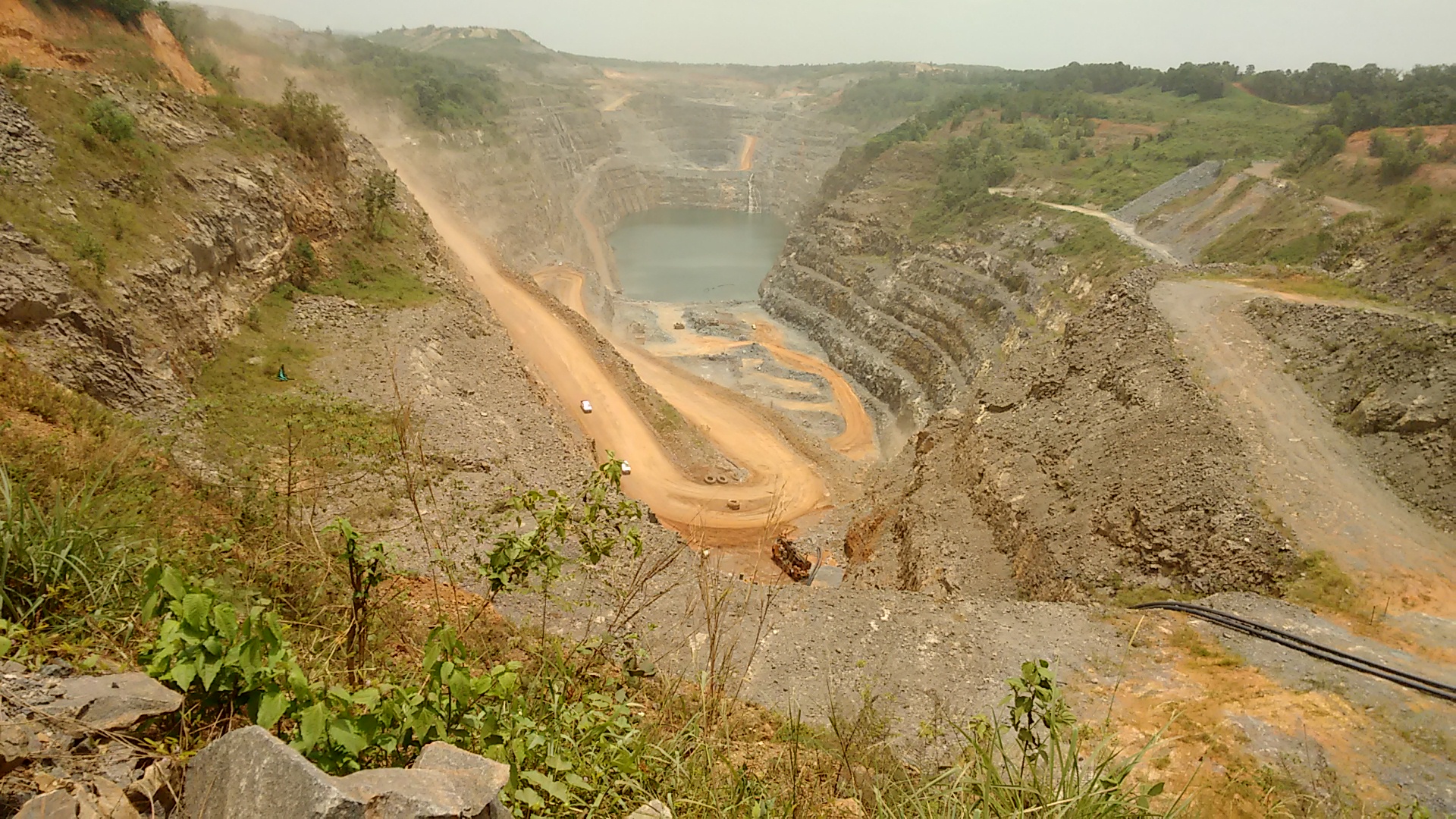
Kenya’s Mrima Hill deposit lies about 65 kilometres southwest of Mombasa, the country’s main Indian Ocean port. Six bidders are shortlisted to develop it, including two from the United States, a senior mining official said on 9 September.
What sits under Mrima Hill
Kenya’s 2022 geological mapping identified five elements at the site: niobium, the rare earths yttrium and lanthanum, strontium and thorium. Niobium strengthens steel and aerospace alloys, and rare earths are used in electronics, magnets and defence equipment.
The best-known figure, US$62.4 billion, is Cortec Mining Kenya’s 2013 estimate of the rare earths’ in-ground value. Kenya revoked the licence of Cortec, a unit of Pacific Wildcat Resources, that same year.
An in-ground value multiplies estimated tonnes by prices and ignores mining and processing costs, so it is not a deal price. Kenyan reports on the 2026 tender cite other figures, such as US$64 billion, but none rests on a published feasibility study.
Thorium is a radioactive element. Its presence raises processing and permitting sensitivity for any future operator.
The tender timeline and the field
Hassan Joho, Kenya’s mining minister (cabinet secretary), opened the tender with a gazette notice on 27 March 2026. The notice invited expressions of interest and asked bidders to commit to processing the minerals inside Kenya.
Critical Metals Corp, listed on New York’s Nasdaq exchange, said in July 2026 that its consortium was one of three finalists. Australia’s RareX also said in July that it had been shortlisted.
In September, Principal Secretary Harry Kimtai, the mining ministry’s top civil servant, put the shortlist at six. The two counts have not been publicly reconciled.
Kenya has not published a feasibility study or any signed investment terms. That leaves the true commercial value of Mrima Hill unproven.
Washington enters the race
On 9 September, Frank Garcia, the State Department’s top official for Africa, said Washington would help Kenya build a minerals processing industry. Speaking to the American Chamber of Commerce in Nairobi, he rejected a model based only on exporting raw ore.
Garcia named no company, financing instrument, timetable or dollar commitment. That leaves the size and shape of American support open.
On 21 September, President William Ruto met Secretary of State Marco Rubio at the UN General Assembly in New York. The State Department said they discussed critical minerals and openings for US firms to add value in Kenya.
Why local processing matters
Kenyan officials have been clear that raw mineral exports are not the goal. They want processing capacity built inside Kenya, which would capture more value and create industrial jobs.
That position aligns with a wider African push to move beyond extraction. It also complicates the tender, because processing rare earths and niobium is technically demanding and capital-intensive.
Thorium adds another layer. Any processing route must handle radioactive material safely, which raises costs and regulatory hurdles.
The great-power angle
Mrima Hill sits inside the wider contest for critical minerals that now shapes diplomacy across Africa. Washington’s backing for Kenya’s processing plans fits its push to build supply chains outside China.
China dominates global rare earth processing, and the United States has been trying to build alternative supply chains. Kenya’s coastal deposit offers one potential piece of that puzzle.
The tender is therefore about more than geology. It tests whether Kenya can turn a contested, long-dormant deposit into a working industrial asset.
For readers tracking the new scramble for African minerals, this story fits the pattern covered in Africa: The New Scramble.
What to watch next
Kenya has not announced a final award date for the Mrima Hill tender. The next milestone would be the naming of a preferred bidder.
Opposition leader Rigathi Gachagua, a former deputy president, alleged that Ruto’s New York trip aimed to seal a deal with US firms. Mining minister Hassan Joho said in early September that no mining licence had been issued for the site.
The Centre for Litigation Trust, a lobby group, wants the Kwale High Court to halt a preliminary Kenya-US deal on the site. The court has deferred that request until it rules on the Attorney-General’s objection to its jurisdiction.
Investors should watch for any published feasibility study, because that would replace the old 2013 estimate with a defensible project value. Until then, the US$62.4 billion number should be treated as historical context, not a deal figure.
The thorium question will also matter. Any credible winning bid must explain how it will handle radioactive material safely and win local permits.
Frequently Asked Questions
What minerals are found at Mrima Hill in Kenya?
Mrima Hill rare earths include yttrium and lanthanum, according to Kenya’s 2022 geological mapping, which also found niobium, strontium and radioactive thorium. Niobium strengthens steel, while rare earths are used in electronics, magnets and defence equipment.
How many companies are still bidding for Mrima Hill?
Mining Principal Secretary Harry Kimtai said on 9 September 2026 that six bidders are shortlisted, including two from the United States. Critical Metals Corp said in July that it was one of three finalists.
Is the US$62.4 billion Mrima Hill figure a real deal value?
No. It is a 2013 estimate of in-ground value by Cortec Mining Kenya, the former licence holder, not a deal price.
Why does thorium matter at Mrima Hill?
Kenya’s 2022 geological mapping identified thorium, a radioactive element, at the site. Any winning bidder must show how it will handle radioactive material safely and secure local permits.