By The Rio Times | Created at 2026-09-10 11:06:36 | Updated at 2026-10-04 11:56:15
3 weeks ago
By The Rio Times | Created at 2026-09-10 11:06:36 | Updated at 2026-10-04 11:56:15
3 weeks ago
BRAZIL · RETAIL
Key Facts
- —The gap BTG Pactual’s price index puts Shein 44 percent below the average local price.
- —The basket R$756 at Shein against R$1,344 across Brazilian retailers.
- —The move The gap was 34 percent in June 2026.
- —Who is exposed Renner, C&A and Riachuelo.
- —The date The reading was published on 9 September 2026.
- —The caveat An older BTG-adjacent figure of 35 percent circulates. The current reading is 44 percent.
Shein was a third cheaper than Brazilian fashion retail in June. It is now nearly half cheaper, and the gap widened while the tax on small parcels was being removed.
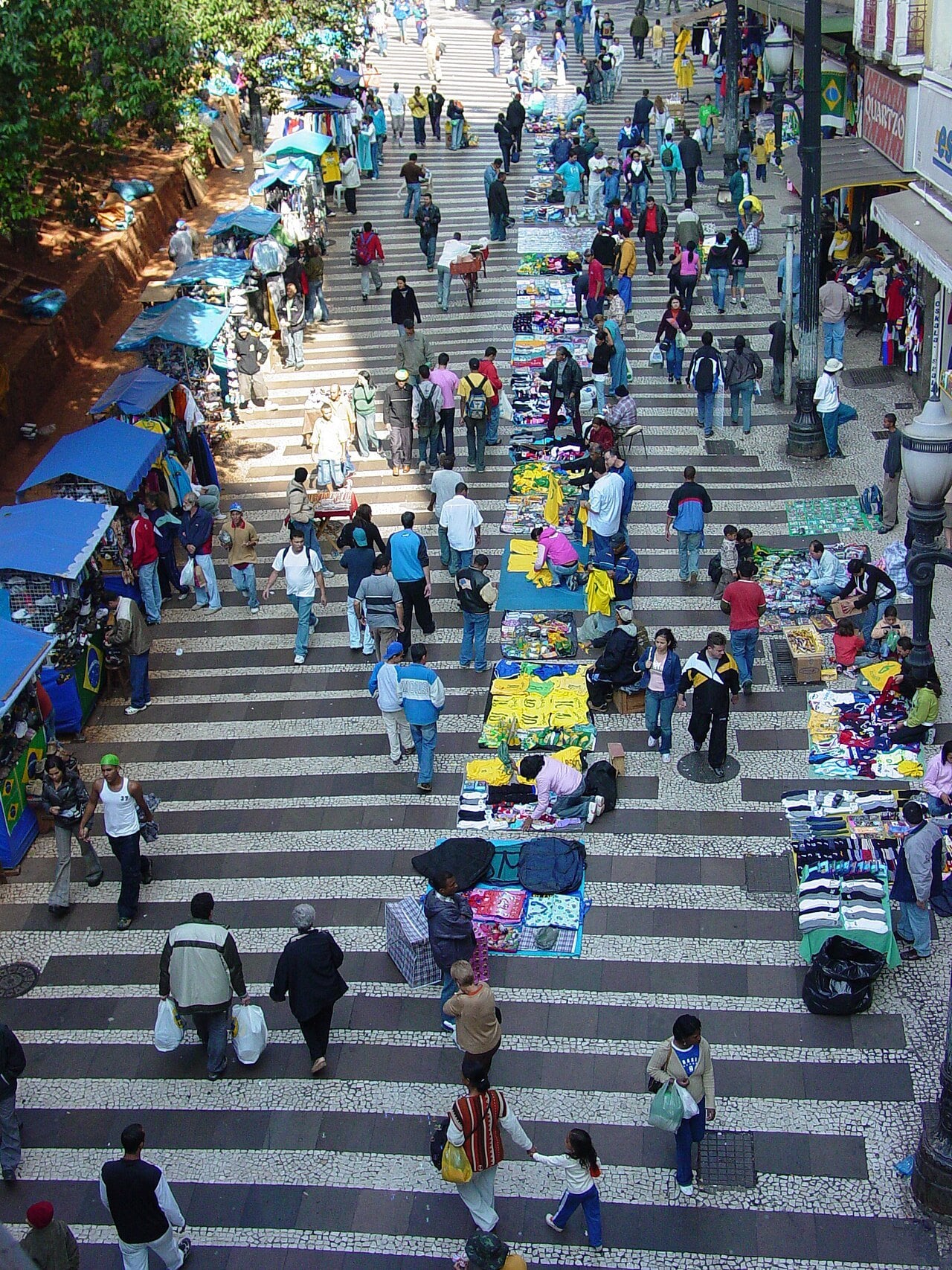
BTG Pactual’s price index puts Shein 44 percent below the average price of comparable goods at Brazilian retailers, up from a 34 percent gap in June.
The Reading
The comparison basket comes to R$756 at Shein against R$1,344 across local retailers, a gap of 44 percent.
That is a substantial widening from June 2026, when BTG measured the gap at 34 percent. Ten percentage points in a quarter is not a normal drift.
A separate figure of 35 percent has circulated from an earlier BTG-adjacent piece. The current reading, cited across Brazilian financial press on 9 September, is 44 percent.

Who Feels It
Lojas Renner, C&A and Riachuelo are the named pressure points, all of them mid-market Brazilian fashion retailers selling into the same customer at the same price tier Shein is undercutting.
The structural problem for those chains is that their cost base includes physical stores, Brazilian payroll and Brazilian tax, and Shein’s does not include the first two at all.
Zara has been resuming local expansion at the same time, which is a different competitive shape: a premium positioning that Shein does not directly attack.
B
◆ Live Company Intelligence
Banco BTG Pactual
SA: BPAC11BPAC11Financial ServicesCapital Markets11,733 employees
Valuation & profitability
Market capR$203.96B
Revenue (TTM)R$45.73B
P / E ratio98.6
Profit margin39.8%
Return on equity24.4%
Price & risk
52-wk low
$43.9252-wk high
$64.56
Beta (volatility)0.31
200-day average$55.80
Revenue trend · 6y
20202025
Latest R$114.52B
Ownership
Institutions21.6%
Shares outstanding3.34B
Dividend
Yield0.6%
Payout ratio29.0%
Fwd. annual$0.93
What Banco BTG Pactual does. Banco BTG Pactual S.A. provides financial products and services regarding commercial, investments, credit, financing, capital lease, insurance, and foreign exchange portfolios in Brazil and internationally. The company also offers personal investment services for a customized investment portfolio; international banking account services, including debit card, transfer, payment and receipt, and customer support services.…
The Policy Backdrop
Brazil zeroed the 20 percent import tax on international purchases under US$50 with effect from May 2026, and the measure was converted into law and sanctioned on 4 September. State ICMS still applies.
The taxa das blusinhas was introduced in the first place because of exactly this competitive dynamic, and removing it while the price gap was widening is a policy choice with a visible consequence.
BTG’s index does not attribute the widening to the tax change and neither does The Rio Times. What can be said is that the two moved in the same direction over the same months.
How the Gap Is Built
Shein’s cost structure has almost nothing in common with a Brazilian mall retailer. It carries no stores, no Brazilian sales payroll, and until recently very little Brazilian inventory.
Its model runs on small production batches placed with Chinese suppliers against live demand data, which means it writes off far less unsold stock than a chain that buys a season ahead. Unsold inventory is one of the largest hidden costs in fashion retail.
Against that, Renner, C&A and Riachuelo carry rent on hundreds of stores, staff those stores, hold seasonal inventory and pay Brazilian payroll charges on all of it. None of those costs can be removed without abandoning the format.
The 44 percent gap is what that difference looks like at the shelf.
What the Local Chains Have Tried
The main response has been to build their own marketplaces and to compress delivery times, on the theory that a customer who wants an item this week will pay more than one prepared to wait three.
The second response has been political. Brazilian retail associations lobbied hard for the import tax on small parcels, and their argument was explicitly that foreign platforms were competing on a tax base local firms could not access.
The third, less discussed, is that some of them now sell on the same platforms they are competing with.
None of these closes a 44 percent price gap. They change what the gap buys.
The Structural Question
Brazilian fashion retail has spent two decades built around shopping centres, and shopping centres are built around anchor tenants paying long leases on large footprints.
If the mid-market apparel anchor becomes structurally unprofitable, the effect does not stop at the retailer. It reaches the mall operators, and through them the listed real estate funds that hold Brazilian retail property.
That is why a BTG price index is treated as a market signal rather than a consumer note. The chain of exposure runs further than the three retailers named in it.
None of this is a prediction that the chains fail. It is a description of what a widening price gap pressures, and in which order.
More: Brazil news in English, every day from The Rio Times.
Frequently Asked Questions
How big is the price gap?
BTG Pactual puts Shein 44 percent below the average local price, on a basket of R$756 against R$1,344.
Has it changed?
Yes. The gap was 34 percent in June 2026.
Which retailers are affected?
Lojas Renner, C&A and Riachuelo are the names cited.
What about the import tax?
Brazil zeroed the 20 percent tax on purchases under US$50 from May 2026, converted into law and sanctioned on 4 September. State ICMS still applies.
Is the 35 percent figure wrong?
It is an earlier reading. The current BTG figure is 44 percent.
Sources: Money Times, Exame, Seu Dinheiro, SpaceMoney.
This article was drafted with automated assistance and reviewed before publication. How we use AI · Report an error