By The Rio Times | Created at 2026-10-16 15:11:15 | Updated at 2026-10-16 16:05:43
1 hour ago
By The Rio Times | Created at 2026-10-16 15:11:15 | Updated at 2026-10-16 16:05:43
1 hour ago
SOUTH AFRICA · MEDIA
Key Facts
- —The basics South Africa media mixes the state broadcaster SABC, the commercial channel e.tv, the pay TV giant DStv, now owned by Canal+, and private newspapers and news sites led by News24.
- —Why it matters South Africa ranks 21st of 180 countries in the 2026 press freedom index, up from 27th, so US investors, diplomats and travellers have access to open, critical local coverage.
- —The numbers Broadcasting revenue fell 4.6% to R33.0 billion (about US$2.0 billion) in 2025, pay TV subscribers dropped 9.6% to 6.7 million, and social media had 29.1 million user identities in October 2025.
- —Who is who Naspers owns Media24 and News24, Canal+ owns MultiChoice and DStv, Arena Holdings publishes the Sunday Times, eMedia owns e.tv, and ICASA, the communications regulator, licenses broadcasters.
- —What to watch A revised SABC Bill with a new funding model is still to be tabled in Parliament, and the future of the former Independent Media newspapers remains unsettled as of October 2026.
- —What it means for you US readers can follow credible English coverage on News24, Daily Maverick and TimesLIVE, but should weigh paywalls, shrinking newsrooms and ownership disputes when choosing sources.
South Africa media mixes a struggling public broadcaster, Canal+ pay TV and a press ranked 21st of 180 for freedom. This guide maps the outlets, owners, rules and platforms as of October 2026.
South Africa media is diverse, sturdy and dynamic, according to the 2026 World Press Freedom Index of Reporters Without Borders (RSF). The index puts the country 21st of 180, but newsrooms are shrinking and owners are changing as of October 2026.
For US readers, this matters because these outlets set the facts on South African elections, markets and security. This guide covers newspapers, broadcasters, digital outlets, owners, regulation, press freedom and social media as of October 2026.
Newspapers and Digital News Sites
RSF says the Sunday Times is still the best-selling newspaper and calls News24 very popular. The Digital News Report 2026 names News24 as the largest news site.
Arena Holdings publishes the Sunday Times, Business Day, Sowetan, Financial Mail, The Herald and the Daily Dispatch in print. Its websites, led by TimesLIVE, serve more than 10 million readers a month, the company says, without dating that figure.
Media24, owned by the Naspers group, publishes News24 and Netwerk24 and has closed much of its print business since 2024. News24 has added a paywall, which RSF says increasingly limits access for readers who cannot afford to pay.
Caxton and CTP, founded in 1980, owns The Citizen daily. It also publishes regional community newspapers and says it employs about 5,500 people, a figure its website does not date.
Daily Maverick keeps its content free, RSF says, and made its first cuts in December 2024, the Digital News Report 2025 says. The Digital News Report 2026 says the Mail & Guardian is cutting 12 of its 25 permanent newsroom staff.
Newer digital voices are growing, including the Debrief Network, founded in 2025 and anchored by former News24 editor Qaanitah Hunter. Trust in news fell to 50% in 2026, down 5 points, though still above the 37% global average.
Broadcasters, From the SABC to DStv
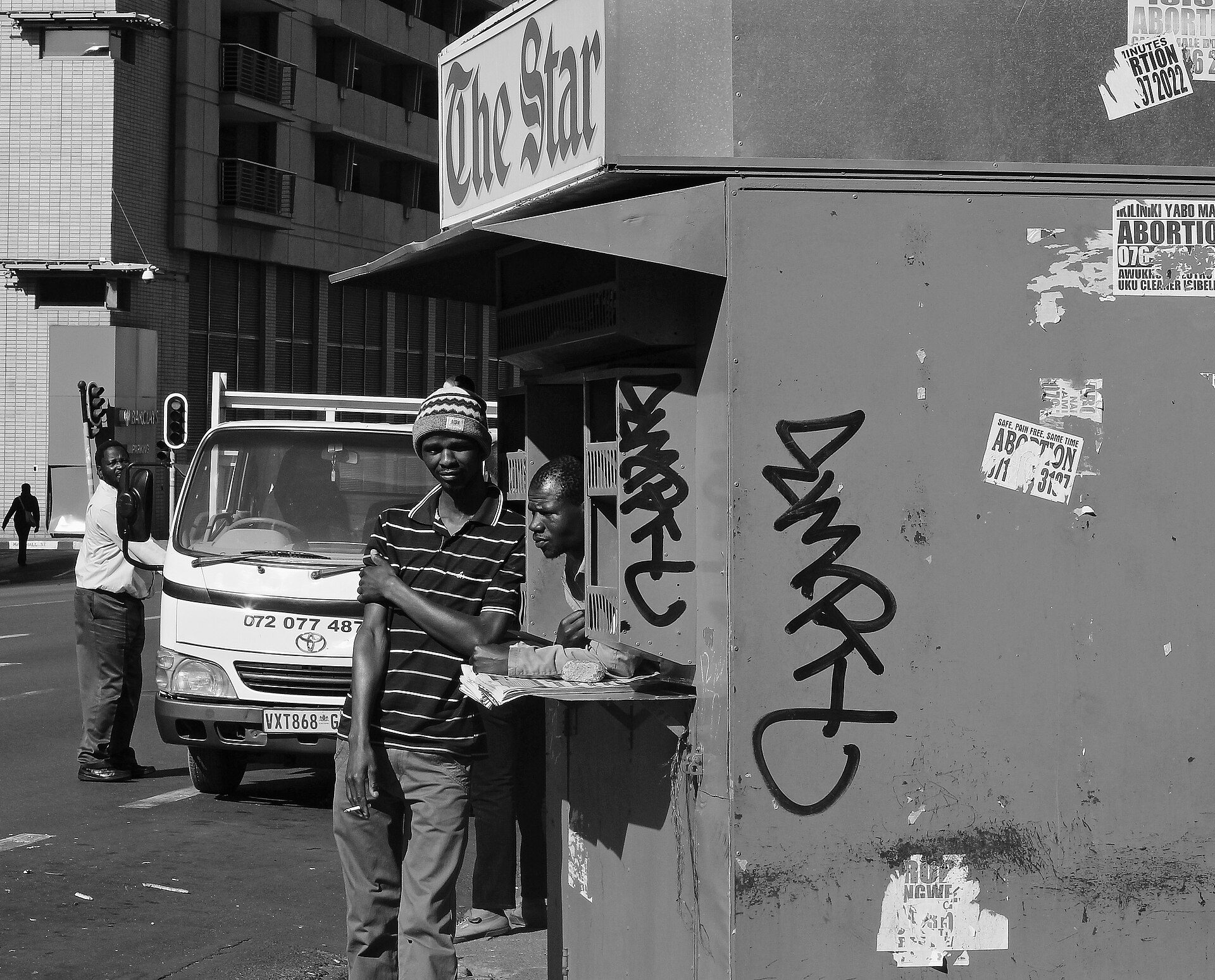
The SABC is the public broadcaster, and the regulator ICASA counts three public television and 18 public radio licences in 2026. The SABC gets R234 million (about US$14 million) from the 2026/27 budget and has won two straight unqualified audit opinions.
The TV licence costs R265 a year (about US$16), BusinessTech and IOL report. Both outlets say most households that must pay do not, and the SABC’s funding model is under review.
e.tv is a commercial free-to-air channel owned by eMedia Holdings, which also runs eNCA and Openview. The group’s results for the year to March 2026 describe an 8.7% contraction in the broader TV advertising market.
In August 2026, Business Day and IOL reported 171 of eNCA’s 309 staff at risk in a shift to a digital-first newsroom. The parent company, eMedia Holdings, is listed on the Johannesburg Stock Exchange (JSE) under the code EMNE.
MultiChoice, owner of DStv, came under Canal+ control on 22 September 2025 in a deal worth about US$3.0 billion. MultiChoice left the JSE in December 2025, and Canal+, a French media group, plans a secondary JSE listing.
Canal+ reported 22.6 million Africa and Asia subscribers on 30 June 2026, up 7.2% on a combined basis. It said June 2026 was its best month for new South African subscribers in a decade, and Showmax closed in April.
ICASA counted 6.7 million pay TV subscribers at 30 September 2025, down 9.6% in a year as streaming grew. Broadcasting revenue fell 4.6% to R33.0 billion (about US$2.0 billion) in 2025, and subscriptions brought in R24.5 billion (about US$1.5 billion).
Radio is mostly community-run, with 206 community radio licences, 24 commercial and 18 public radio licences in ICASA’s 2026 report. Six community television licences also exist, alongside the three public TV licences.
The Rio Times has covered the new DStv packages that MultiChoice introduced in September 2026. They show how the pay TV leader is trying to win back viewers.
How South Africa Media Is Owned
Ownership sits with a few groups: Naspers, Arena Holdings, Sekunjalo, Caxton, eMedia and now Canal+. Media24, Independent Media and eNCA have each restructured since 2024 as print revenue shrank and platforms took advertising.
Naspers, a JSE-listed technology group, owns Media24, whose revenue fell 28% to US$102 million in the year to March 2026. TimesLIVE and IOL reported its adjusted loss before interest and tax at US$16 million, up from US$10 million, with 1,194 employees.
In 2024 Media24 announced it would close the print editions of five newspapers, three of them moving to digital-only brands. On 27 February 2026 Media24 began consultations on closing the City Press newsroom, and the final outcome was not confirmed.
Lebashe Investment Group launched Arena Holdings in 2019 by buying Tiso Blackstar’s media assets for R1.05 billion (about US$63 million). Arena’s current shareholders were not confirmed for this guide, and the company’s website does not list them.
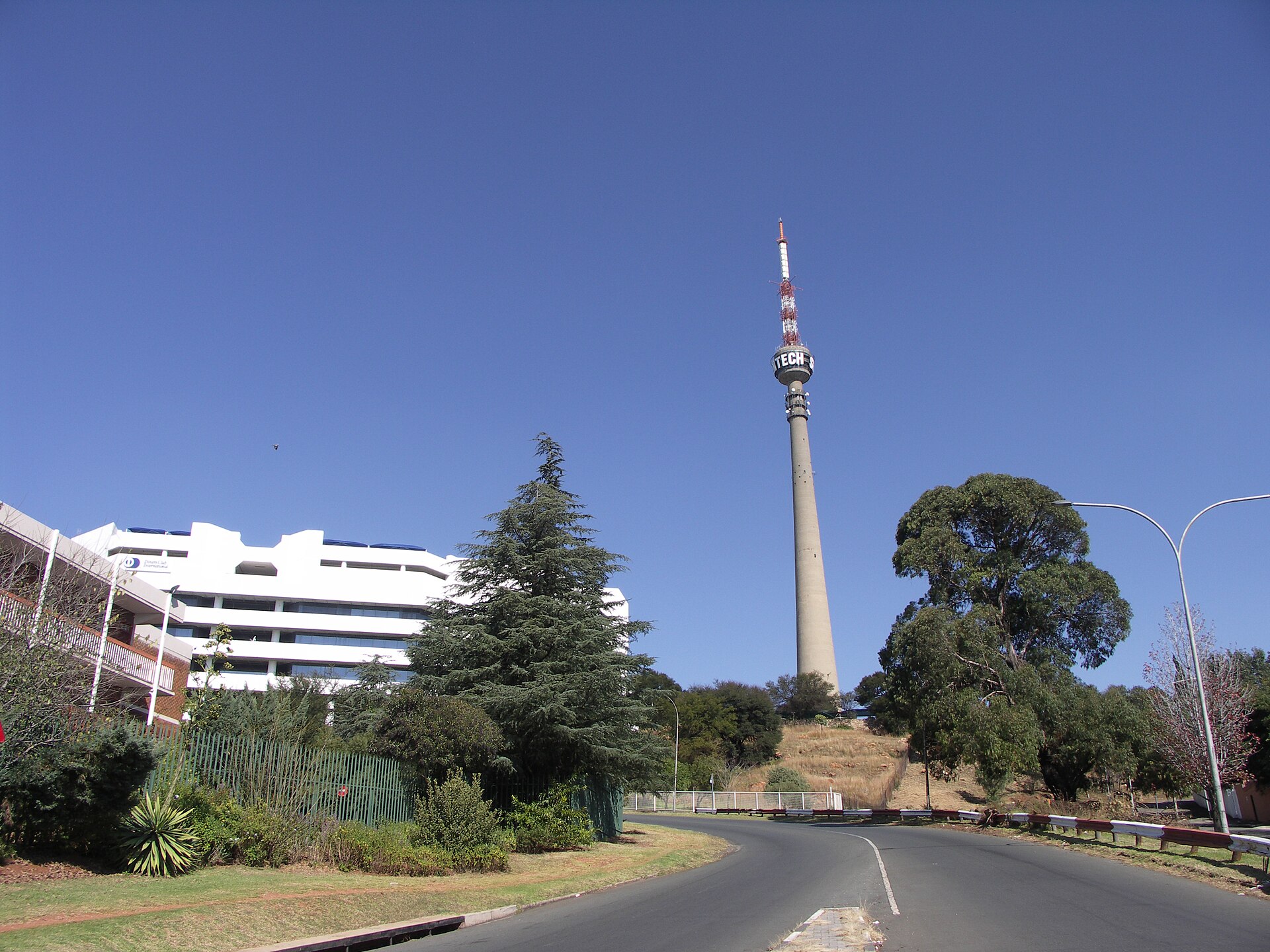
Independent Media’s mastheads include The Star, Cape Times and The Mercury, which Sekunjalo says it owns and had licensed to Independent Media. Sekunjalo said on 21 July 2026 it would stop funding the loss-making company, with the licence due to end 31 July.
National Media Group, a new publisher, was unveiled on 31 July 2026 for former Independent titles such as the Cape Times. Sekunjalo says it holds a financial stake in the group, but its full ownership has not been disclosed.
Sekunjalo says it invested more than R5.2 billion (about US$314 million) in Independent Media and related businesses over a decade. IOL says it has been independent since 2014 and announced a R200 million (about US$12 million) expansion in May 2026.
Daily Maverick says part of that claim was spending on broader media operations, not direct investment in Independent Media. The Press Council expelled the Independent Media group on 23 October 2024 for refusing to obey its rulings.
Rand conversions use 16.58 rand per US$1, the rate of 15 October 2026. Amounts that sources gave in US$, such as Media24’s results, are shown as published.
Press Freedom and the Rule Book
RSF ranked South Africa 21st of 180 countries in 2026 with a score of 77.95, up from 27th in 2025. It placed the country 17th on the legal indicator and 15th on the social indicator, but only 49th on safety.
RSF says the 1996 Constitution protects press freedom. It adds that apartheid-era and anti-terrorism laws are used to limit reporting on institutions deemed in the national interest.
Journalists are rarely arrested, RSF says, but Thomo Nkgadima was held for more than 48 hours in December 2023. RSF also cites surveillance of investigative reporters and smear campaigns, with the opposition Economic Freedom Fighters party the most virulent.
RSF says high costs hamper small independent outlets, and the government is accused of steering advertising to favoured titles. In 2021 the Constitutional Court ordered changes to the interception law to better protect journalists’ confidential sources.
The Press Council of South Africa, a voluntary body, applies a Press Code to member titles through a Press Ombud. Its recent rulings, published between 8 and 14 October 2026, involve News24 and the Oudtshoorn Courant.
On 23 October 2024 the council expelled the Independent Media group for refusing to obey its rulings. It was only the second expulsion, after The Jewish Report in May 2022.
ICASA, the Independent Communications Authority of South Africa, regulates broadcasting, telecoms and postal services. It receives R505 million (about US$30 million) from the 2026/27 budget, the communications minister said on 12 May 2026.
The Film and Publication Board, another content regulator in the same portfolio, gets R112 million (about US$7 million). ICASA’s March 2026 report says a Draft White Paper on Audio and Audiovisual Media Services and Online Safety proposed rules for streaming.
The SABC Bill and Public Broadcaster Funding
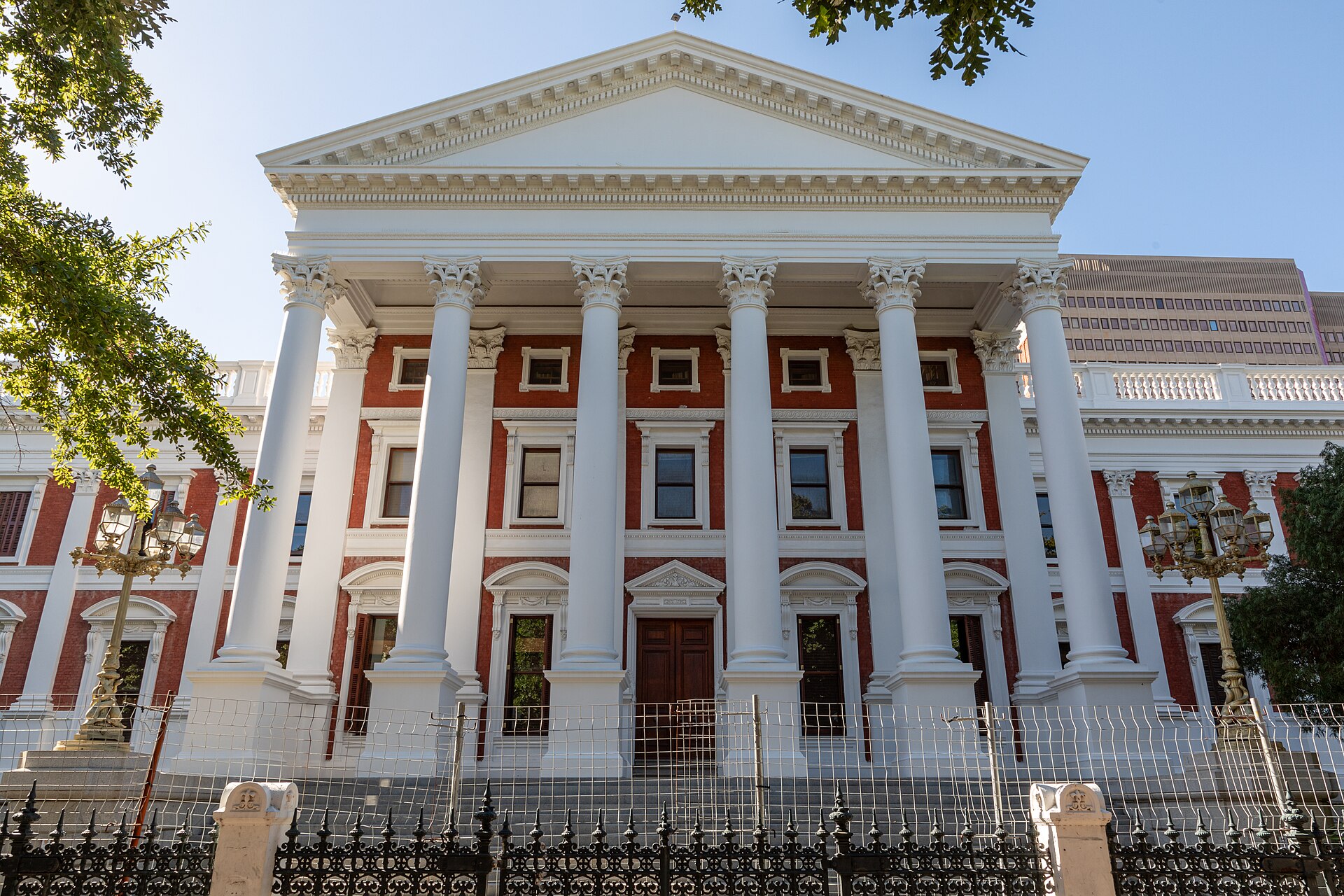
Communications Minister Solly Malatsi withdrew the SABC Bill (B32-2023) on 10 November 2024, before its second reading. He said it delayed a funding model by three years and gave the minister influence over board appointments.
On 12 May 2026 Malatsi told Parliament the SABC had won a second straight unqualified audit opinion. He added that a funding model study was complete and that talks with National Treasury were under way.
IOL quoted Malatsi in January 2026 saying the revised bill is envisaged for tabling in the 2026/27 financial year. BusinessTech wrote in July 2026 that the draft was incomplete and could reach Parliament only within the 2028 financial year.
Funding is the sticking point, as Malatsi said Treasury did not approve the SABC’s R4.7 billion (about US$283 million) request for 2026/27. IOL reported on 14 October 2026 that the department plans a funding model for Cabinet by the end of 2026/27.
Social Media and Messaging Apps
DataReportal counted 29.1 million social media user identities in South Africa in October 2025, equal to 44.9% of the population. It counted 51.7 million internet users, or 79.6% of the population, in the same month.
Facebook’s advertising tools reached 27.9 million South Africans in late 2025, or 42.9% of the population, DataReportal found. YouTube reached 26.9 million and Instagram 8.60 million, while X reached 2.96 million, or 4.6% of the population.
TikTok’s ad tools reached 29.1 million adults in late 2025, equal to 64.8% of all South Africans aged 18 and above. These are advertising reach estimates, not counts of active users, so they overlap and cannot be added together.
A 2024 Competition Commission survey of 1,182 people found 77% used social media as their main online source of news. Among social media news users, 84% put Facebook in their top three, with TikTok at 47% and WhatsApp at 46%.
ICASA says prepaid mobile messaging revenue fell 49.2% in 2025 as WhatsApp, Telegram and Signal replaced text messages. Statistics South Africa’s 2024 household survey found 82.1% of households had internet access from any location.
Only 17.4% of households had a fixed internet connection at home, the same ICASA report says. Prepaid mobile data revenue rose 7.7% in 2025 as customers relied on smartphones for social media and streaming.
Forbidden Stories reported payments for pro-Russian content, and OpenAI found a user who generated at least 38 pro-Kremlin articles. Most of the articles appeared on South African news sites, and the Digital News Report says foreign incursions are eroding trust.
Money, Platforms and the Future of News
On 13 November 2025 the Competition Commission released the final report of its Media and Digital Platforms Market Inquiry. It announced a R688 million (about US$41 million) media support package agreed with Google and YouTube for national, community and vernacular media.
Meta, TikTok and X agreed to expand monetisation support for publishers, and AI firms agreed to offer content controls. It also urged the communications department to develop content-moderation rules and set up an independent Social Media Ombud.
A first fund, run with the Association of Independent Publishers, gave R10.7 million (about US$645,000) to 23 digital news projects. The Digital News Report says it is too early to judge whether such money brings lasting recovery or a brief respite.
The Digital News Report says news creators are drawing audiences away from legacy outlets toward personality-driven channels. It adds that some creators, including conservative commentators copying United States techniques, are less invested in ethical journalism.
News24 appointed a head of AI strategy and rolled out an AI newsroom assistant, the Digital News Report says. A Stellenbosch University study found most journalists use AI cautiously and often check its output by hand.
What It Means for US Readers
US readers can follow South African politics and business in English through News24, Daily Maverick, TimesLIVE, Business Day and the SABC. Some of these sites sit behind paywalls, so check which stories are free before relying on one source.
Investors tracking Naspers, eMedia or Canal+ should note that South African television advertising fell 8.7% in the year to March 2026. Canal+ says its MultiChoice turnaround is under way, while Media24 and eNCA are cutting jobs.
Expats in Cape Town and Johannesburg use local news for safety, traffic and protest alerts, so a mix of sources helps. Visitors can also read the Rio Times guide to South African culture and key figures before they travel.
Washington watchers should note that foreign information campaigns have reached South African news sites, as the Digital News Report documents. For wider context, see the Rio Times guides to who runs South Africa and foreign powers and investors in South Africa.
Audience and language context is in the guide to South Africa’s population and ethnic groups. Daily news from the country is collected on the Rio Times South Africa page.
What Is Not Known
No official count of WhatsApp users in South Africa was found in the sources opened for this guide. DataReportal’s platform figures are advertising reach estimates, not active users.
Union Sactwu’s liquidation bid against the Independent Media Consortium was set for hearing on 19 August 2026; its outcome was not confirmed. The final ownership of National Media Group and the future of the former Independent titles are also undisclosed.
It is not confirmed whether the Independent Media group has rejoined the Press Council since its expulsion in October 2024. Arena Holdings’ current shareholders were not found on the company’s website.
The date for tabling a revised SABC Bill is unclear, because reports give both the 2026/27 and 2028 financial years. The Digital News Report survey sample is mostly English-speaking and online, so its trust figures do not represent all South Africans.
Current circulation figures for newspapers were not found in an open primary source. Brand-level weekly reach figures appear only as charts in the Digital News Report and could not be read as text.
Frequently Asked Questions
What are the main newspapers in South Africa?
Leading titles include the Sunday Times, Business Day, Sowetan and The Citizen, alongside the digital outlets News24 and Daily Maverick. RSF names the Sunday Times as the best-selling newspaper in its 2026 index.
Who owns the SABC, e.tv and DStv?
The SABC is the state-owned public broadcaster, e.tv belongs to eMedia Holdings and DStv’s owner MultiChoice now belongs to Canal+. Canal+ took control of MultiChoice on 22 September 2025.
How free is the press in South Africa?
RSF ranked South Africa 21st of 180 countries in 2026, up from 27th in 2025. The Constitution protects press freedom, but journalists face smear campaigns and surveillance.
Who regulates the media in South Africa?
ICASA regulates broadcasting, while the voluntary Press Council handles complaints about print and online news through its Press Code. The Competition Commission also shapes the market through its 2025 inquiry into digital platforms.
Is TV licensing ending in South Africa?
Not yet: the licence costs R265 a year (about US$16) and the SABC Bill that proposed changes was withdrawn in 2024. A revised bill with a new funding model has not yet been tabled.
Which social media platforms are most used in South Africa?
TikTok reached 29.1 million adults, Facebook 27.9 million and YouTube 26.9 million in late 2025, DataReportal says. X reached only 2.96 million, and no official WhatsApp user count was found.
Where can I read trusted South African news in English?
News24, Daily Maverick, TimesLIVE, Business Day and the SABC all publish in English. The Digital News Report puts overall trust in South African news at 50% in 2026, above the 37% global average.
Sources: RSF, World Press Freedom Index 2026, South Africa; Reuters Institute, Digital News Report 2026, South Africa (16 June 2026); Digital News Report 2025, South Africa; DataReportal, Digital 2026: South Africa; ICASA, State of the ICT Sector Report, March 2026; Government of South Africa, Communications Budget Vote 2026/27 (12 May 2026); Government of South Africa, SABC Bill withdrawal (10 November 2024); Press Council of South Africa, expulsion of Independent Media (23 October 2024); Press Council of South Africa, About us; CANAL+ S.A., 2026 Half Year Results (28 July 2026); Competition Commission, Media and Digital Platforms Market Inquiry media statement (13 November 2025); Competition Commission, Market Inquiry final report (November 2025); Daily Maverick, National Media Group (4 August 2026); Daily Maverick, Sekunjalo and Independent Media (21 July 2026); Daily Maverick, IOL expansion plan (7 June 2026); Daily Maverick, Competition Commission news survey (23 October 2024); ITWeb, Competition Commission news survey (October 2024); TimesLIVE and Business Day, Media24 results (29 June 2026); IOL, Media24 results (30 June 2026); Business Day, eMedia results and eNCA cuts (20 August 2026); FilingReader, eMedia year-end results summary (26 May 2026); IOL, eNCA restructuring (5 August 2026); TimesLIVE, City Press consultations (27 February 2026); The Mercury, City Press (27 February 2026); Business Day, Lebashe and Arena Holdings (6 November 2019); Arena Holdings; Caxton and CTP; IOL, SABC Bill (24 January 2026); IOL, SABC funding model (14 October 2026); BusinessTech, TV licences (29 July 2026); SAnews, Minister Malatsi (15 October 2026); Cape Argus, media support package (13 November 2025); EWN, Canal+ takes control of MultiChoice (22 September 2025) (all accessed 16 October 2026).