By The Rio Times | Created at 2026-08-15 17:11:59 | Updated at 2026-08-15 17:30:24
45 minutes ago
By The Rio Times | Created at 2026-08-15 17:11:59 | Updated at 2026-08-15 17:30:24
45 minutes ago
Angola · BUSINESS
Key Facts
—Launch date: The Luanda–Dakar–Praia route begins on 31 October 2026, in the opening week of the IATA winter 2026/27 season, which opens on 25 October.
—Operator: TAAG – Linhas Aéreas de Angola, with IATA code DT, will fly the triangular route.
—Network expansion: Dakar and Praia join TAAG’s international network, which previously numbered 12 international destinations.
—Previous service: TAAG suspended its Luanda–Praia route at the end of 2016, declaring it unprofitable after operating via São Tomé and Príncipe.
—Policy framing: TAAG presents the route as consistent with the Yamoussoukro Decision and the Single African Air Transport Market, an African Union Agenda 2063 project.
—Hub strategy: Cape Verde’s Minister of Tourism and Transport, José Luís Sá Nogueira, calls Cape Verde a strategic hub for passenger and cargo distribution serving Europe and the Americas.
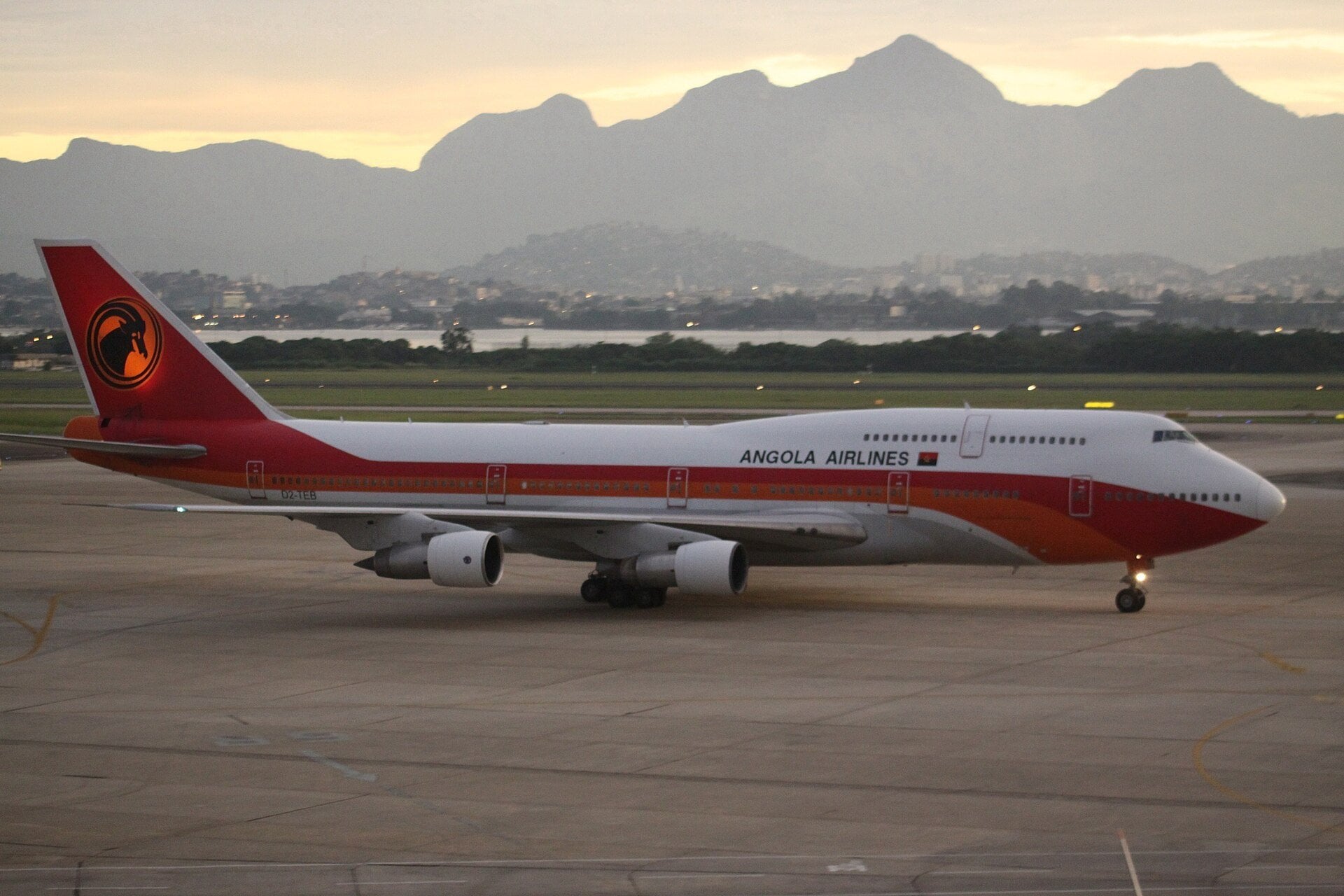
TAAG Angola Airlines will launch its Luanda–Dakar–Praia route on 31 October 2026, reconnecting Angola and Cape Verde after roughly a decade and adding Senegal to its West African network. The move signals Angola’s push to turn Luanda into a continental aviation hub.
One-stop reference
Company Intelligence
Every listed company in Latin America — financials, ownership and structure for 1,450+ companies across 26 exchanges, in one place.
The Luanda–Dakar–Praia route takes shape
TAAG Angola Airlines, the state-owned carrier with IATA code DT, will begin flying from Luanda to Dakar and onward to Praia on 31 October 2026. The launch comes days after the IATA winter 2026/27 season opens on 25 October 2026, a scheduling window that runs through late March 2027.
The triangular routing adds both Senegal and Cape Verde to TAAG’s international map. Before this expansion, the airline served 12 international destinations from its hub at Luanda Dr António Agostinho Neto International Airport.
TAAG frames the new corridor as a bridge between Angola and the Economic Community of West African States, or ECOWAS, region. The airline says the route contributes to continental integration and connectivity, language that echoes the African Union’s long-standing push for freer skies.
A commercially cautious comeback after a 2016 exit
TAAG is returning to a market it abandoned at the end of 2016, when it suspended Luanda–Praia flights that operated with a stop in São Tomé and Príncipe. The airline declared that earlier service unprofitable, a reminder that political enthusiasm alone does not fill seats.
Cape Verde’s ambassador to Angola, Júlio Morais, has been blunt about the commercial test. He has said trade between the two countries is practically zero because of missing direct air and sea links, and that new flights must be profitable rather than politically driven.
Morais has pointed to feasibility studies focused on the ECOWAS market as the foundation for the resumption. That grounding in demand analysis marks a shift from earlier connectivity efforts that leaned on diplomatic goodwill.
Lusophone hub strategy links Sal and Luanda
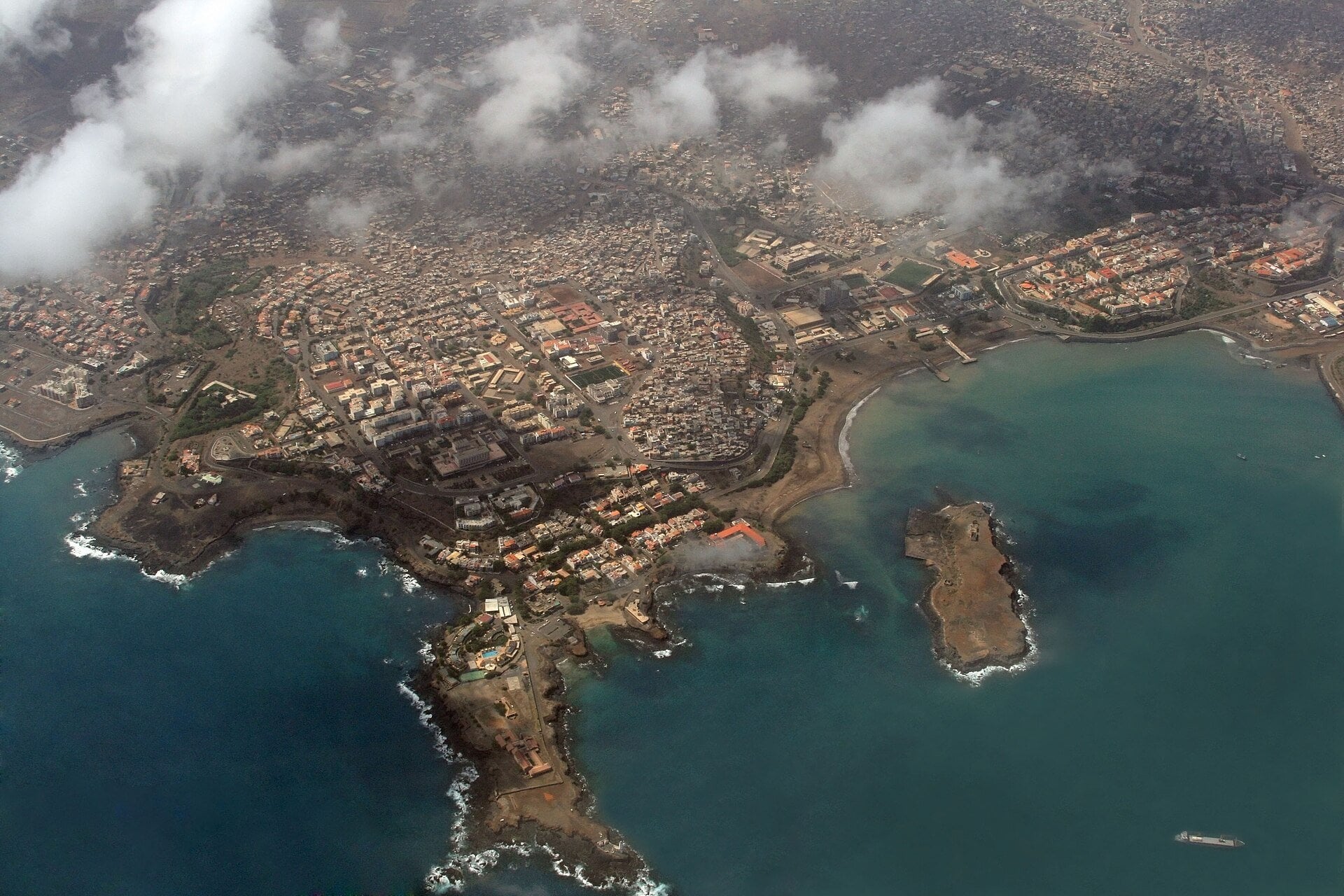
Angola and Cape Verde are both members of the Community of Portuguese-Language Countries, known as CPLP, and officials in both capitals see aviation as a tool for deeper Lusophone integration. Cape Verde’s Minister of Tourism and Transport, José Luís Sá Nogueira, has described the archipelago as a strategic hub for distributing passengers and cargo to Europe and the Americas.
The partnership process between TAAG and TACV, Cape Verde’s national carrier, is central to this vision. Officials have discussed using Sal and Luanda as complementary hubs, allowing the two airlines to share traffic across Southern Africa, West Africa, Europe and the Americas.
For Angola, the route supports a broader ambition to diversify an economy still heavily dependent on crude oil. Better air links into West African markets and trans-Atlantic hubs can help Luanda position itself as a logistics and cargo gateway, not just an oil capital.
African air liberalisation in practice
TAAG explicitly places the Luanda–Dakar–Praia route within the framework of the Yamoussoukro Decision and the Single African Air Transport Market, or SAATM. SAATM is a flagship project of the African Union’s Agenda 2063, designed to remove restrictive bilateral air service agreements and let African carriers launch intra-African routes more freely.
The route is a concrete test of whether liberalised markets can support pan-African connections without relying on European or Gulf hubs. By inserting Dakar between Luanda and Praia, TAAG taps into Senegal’s role as a major West African aviation node while opening access to wider ECOWAS passenger flows.
TAAG already serves Abidjan in Côte d’Ivoire and has historically operated Lagos and São Tomé routes. The new corridor deepens that West African footprint and positions the airline as a continental connector rather than a niche carrier tied mainly to Lisbon.
Great-power and regional competition overlay
TAAG’s expansion is not happening in isolation. The airline is in the middle of a two-year transformation programme that has already added Nairobi on 1 September 2025, with Abidjan and Accra targeted for the first quarter of 2026 and Guangzhou planned before summer 2026.
The Guangzhou route highlights China’s deep economic role in Angola, while Lisbon remains TAAG’s top European destination and Porto is being evaluated for year-round service. Once Luanda is better connected to West Africa, Lusophone Atlantic hubs, Europe and China, Angola’s capital becomes a node in a China–Africa–Atlantic trade corridor.
Cape Verde’s mid-Atlantic location also carries strategic weight, with European Union and NATO partners interested in migration routes, maritime security and Atlantic trade. Strengthening civil aviation links through TAAG and TACV reinforces the archipelago’s role as a logistics and monitoring point in a contested ocean space, a theme explored in Africa: The New Scramble.
What to watch next
The first flight on 31 October 2026 will be an early indicator of demand, but the real test is whether TAAG can sustain the route through the winter season and beyond. Load factors on the Dakar–Praia leg will matter as much as those on the Luanda–Dakar segment.
Investors and travel industry players should watch for any formal announcement on TACV–TAAG joint operations, including shared scheduling or codeshare arrangements. A deeper partnership would signal that the Lusophone hub strategy is moving from rhetoric to commercial reality.
The route also sets up a competitive dynamic with Air Senegal, ASKY Airlines and Royal Air Maroc in West Africa. Whether TAAG can win connecting traffic between Southern Africa and West Africa will determine if this expansion strengthens Luanda’s hub ambitions or remains a symbolic gesture.
Frequently Asked Questions
When does TAAG start flying the Luanda–Dakar–Praia route?
TAAG Angola Airlines launches the Luanda–Dakar–Praia route on 31 October 2026, in the opening week of the IATA winter 2026/27 season, which opens on 25 October.
Why did TAAG stop flying to Cape Verde before?
TAAG suspended its Luanda–Praia route at the end of 2016, declaring it unprofitable after operating with a stop in São Tomé and Príncipe.
What is the strategic purpose of the new route?
The route supports Angola’s goal of turning Luanda into a regional aviation hub and aligns with the African Union’s Single African Air Transport Market, or SAATM, liberalisation agenda.
Connected Coverage
For more on how African infrastructure and aviation fit into the wider contest for influence, read Africa: The New Scramble.
Sources
This article was produced by The Rio Times’ automated newsroom system. How we use AI · Report an error
LatAm Markets: Live Signals → — real-time movers, turnover leaders and FX across Latin America.
The Rio Times · Power Map
See who really holds power in Latin America
Click to open the Power Map →