By The Free Press | Created at 2026-09-29 10:30:43 | Updated at 2026-09-29 13:08:29
3 hours ago
By The Free Press | Created at 2026-09-29 10:30:43 | Updated at 2026-09-29 13:08:29
3 hours ago
Produced by ElevenLabs using AI narration
It’s Tuesday, September 29. This is The Front Page, your daily window into the world of The Free Press—and our take on the world at large. Today: Joe Nocera on the problem with the Protect College Sports Act. Tyler Cowen on why AI will make you smarter—if you let it. Suzy Weiss welcomes Sydney Sweeney to the tribe (maybe). And much more.
But first: Will Trump keep his promise to Venezuela?
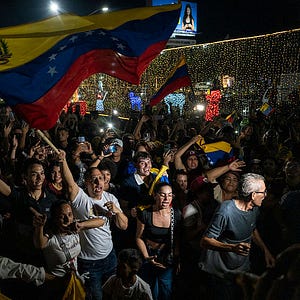
Last week, the Venezuelan opposition leader and Nobel Peace Prize recipient María Corina Machado attempted to do something that, in a free country, would be straightforward: return home. According to her advisers, Machado, who has been living in exile in Panama for more than a year, was denied entry to Venezuela three times in 24 hours.
Machado’s thwarted return is the latest example of how little has changed in the 10 months since the country’s longtime dictator Nicolás Maduro was nabbed by U.S. forces and Donald Trump promised “peace, liberty, and justice for the great people of Venezuela.”
So far, Venezuelans have seen none of the three. Delcy Rodríguez, Maduro’s right-hand woman turned pet of the Trump administration, is the country’s de facto ruler. There are no scheduled elections. And Trump, speaking at the UN last week, boasted about how American companies can extract the country’s oil. “To the victor belong the spoils,” he said.
In our latest editorial, we argue that this sorry state of affairs isn’t just bad for the Venezuelan people. It’s also a betrayal of American values, and doesn’t even serve U.S. interests. Read the piece on the future the Venezuelan people deserve—and why Trump should stick to the promise he made in January.
—The Editors

Tyler Cowen • Tech and Business

A critique of AI that unites the left and the right is that it will make us stupid by doing our thinking for us. Quite the contrary, writes Tyler Cowen; we may instead “see a renaissance of the human intellect.” In his latest column, he explains his thinking and probes what history teaches us about how technology and affluence—from the French impressionists to the advent of the internet—shape human creativity and intellect.
Suzy Weiss • Culture and Ideas
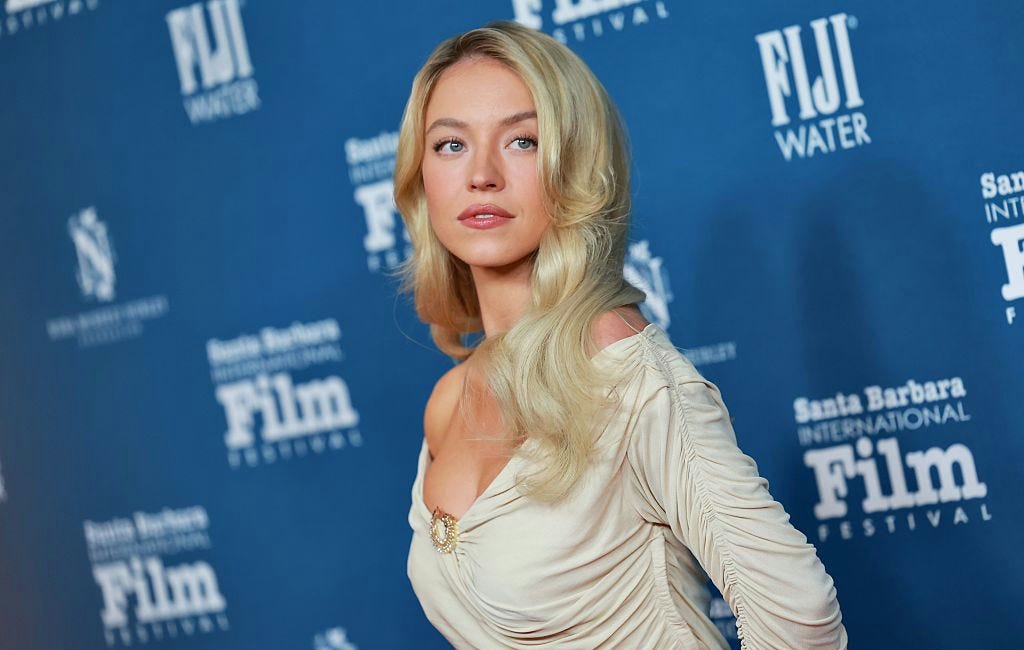
If the rumors are true, Sydney Sweeney may soon convert to Judaism to marry her boyfriend, Scooter Braun. If she does convert, it would be the biggest pickup since Ruth, writes Suzy Weiss. Read Suzy’s column on why the bodacious actress will make a fine member of the tribe.
Joe Nocera • Culture and Ideas

The Senate last night voted to pass the Protect College Sports Act, which promises, in the words of the bill’s sponsor Ted Cruz, to “bring order to the chaos consuming the new era of college sports.” Joe Nocera sees it a little differently. He says it will deprive college athletes “of economic rights that every other citizen is entitled to in a country that claims to believe in capitalism.” Joe wrote the book on inequities in college sports. Read his piece on why the legislation is a mistake.
Aaron MacLean • School of War
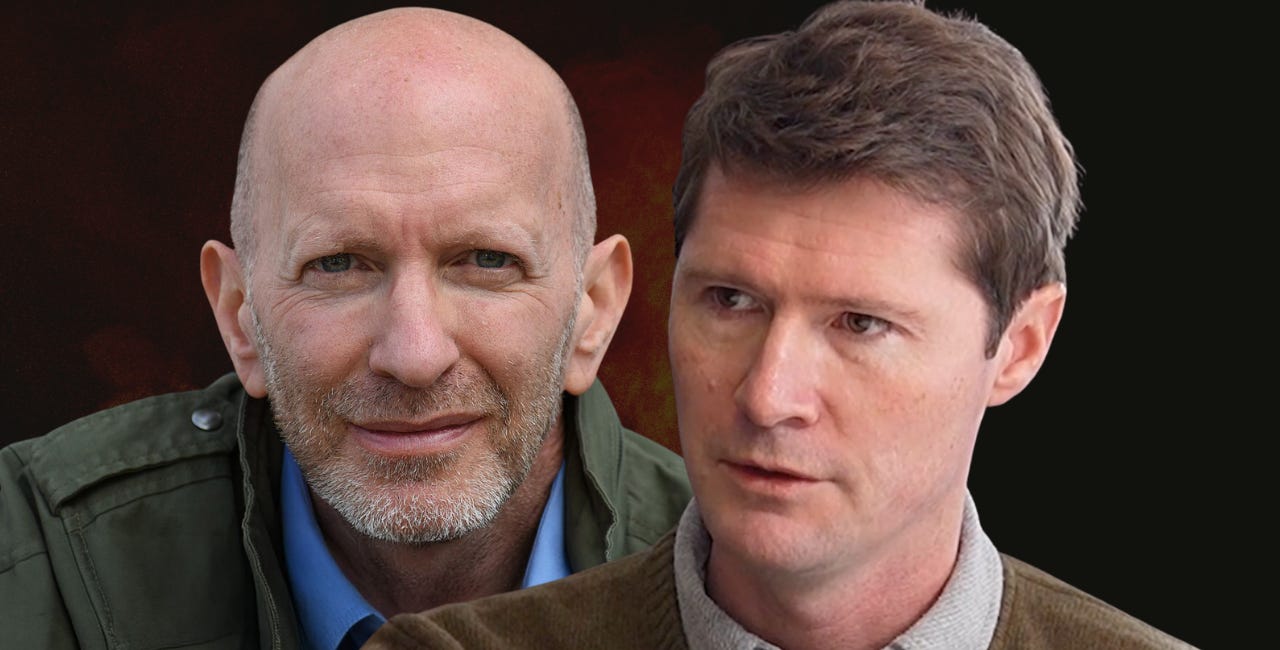
The war in Iran is unpopular with voters, but “the Trump blockade is working,” says historian Simon Sebag Montefiore. It can be hard to parse the state of play in the Middle East amid escalating rhetoric, but history gives us the necessary perspective to call balls and strikes in the present day. Today, the author of "The Cauldron: The Making of the Modern Middle East" joins School of War to discuss the forces that created the modern Middle East, why he thinks Trump’s strategy in Iran is working, and what the future holds for the region.
MORE FROM THE FREE PRESS
THE NEWS
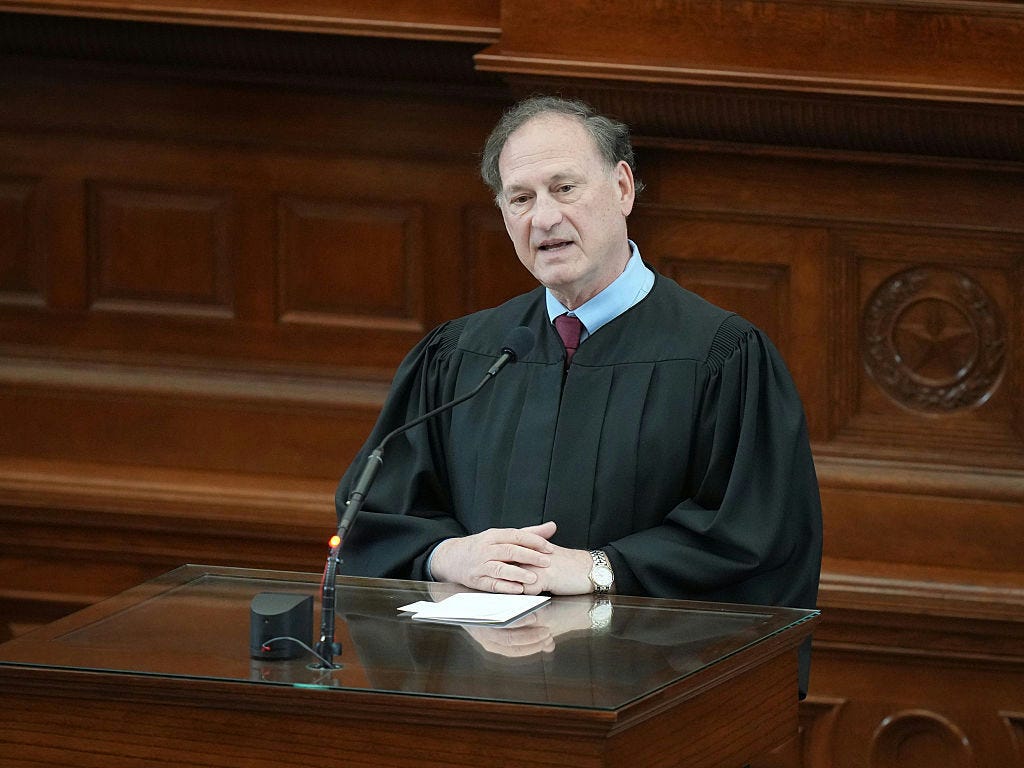
Supreme Court Justice Samuel Alito has recused himself from a major environmental protection case against two energy companies accused of contributing to climate change, according to a letter sent Monday to the lawyers involved. The letter did not state a reason for Alito’s recusal, but CBS News reports that it is likely due to the justice’s stock holdings in oil and gas companies, based on his most recent financial disclosures.
A Russian drone struck Ukraine’s National Academy of Sciences on Monday, killing two and injuring six. The institution, which was hit and evacuated in the middle of the workday, is responsible for nearly all major scientific discoveries in the country.
The Trump administration rolled back fuel economy standards for new cars on Monday, in its latest move to reverse Biden-era policies aimed at incentivizing electric vehicle production. The new rules require vehicles in model year 2031 to achieve an average fuel efficiency of 34.9 miles per gallon, compared to the Biden standard of 50.4 miles per gallon.
Nvidia on Monday debuted a new tool it says can quickly contain rogue AI agents to prevent security breaches and other illegal activity. The safety software comes amid rising reports and fears of illegal hacks by AI agents. It promises to “quarantine agents that attempt to move outside their boundaries in milliseconds,” according to a press release.
British police are investigating the possibility of foreign involvement in a suspected plot to attack an air base used by the United States after five UK citizens were detained and then released on bail over the weekend. Iran denied it had a hand in the alleged plot, though the country’s Revolutionary Guards said in July the base was a legitimate target.
Defense Secretary Pete Hegseth has dispatched department employees to use “advanced intelligence and cyber capabilities to identify, disrupt, and neutralize foreign interference” in the midterm elections. The move echoes an effort from the Biden administration before the 2022 midterms to “disrupt, deter, and degrade foreign adversaries’ ability to interfere with and influence how U.S. citizens vote and how those votes are counted.”