 By The War Zone | Created at 2026-09-22 22:10:53 | Updated at 2026-09-22 22:48:15
1 hour ago
By The War Zone | Created at 2026-09-22 22:10:53 | Updated at 2026-09-22 22:48:15
1 hour ago
The Royal Air Force (RAF) is deploying one of its Voyager aerial refueling jets to help Saudi Arabia defend against ongoing attacks from the Iranian-backed Houthi rebels of Yemen. The decision marks the first publicly known international military assistance offered to Saudi Arabia specifically for its fight against the Houthis, which erupted over the summer. The move came hours before U.S. President Donald Trump told the United Nations General Assembly meeting that he believes a peace deal with Iran will be reached after the U.S. midterm elections in November.
The British action is significant because, while it involves just one tanker, other key Saudi allies have yet to heed the Kingdom’s request for military help specifically to battle the Houthis. Although it’s important to note some assets already deployed to defend against Iranian attacks could be helping with the Houthi threat now.
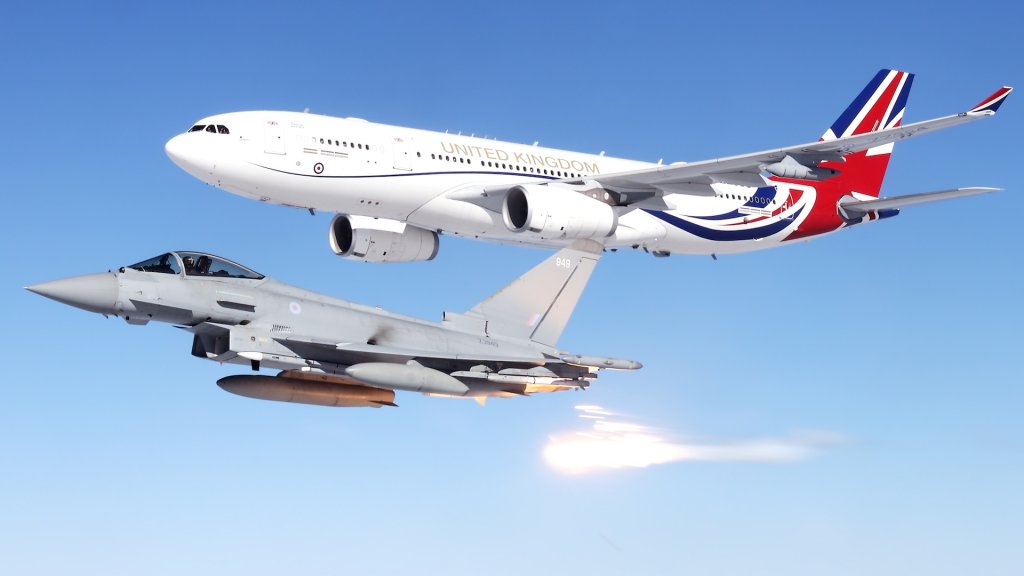 A Royal Air Force Typhoon FGR4 accompanies a Voyager tanker during a Quick Reaction Alert training scenario in March 2026. (Crown Copyright) Crown Copyright
Last week, Trump turned down a direct plea from Saudi Crown Prince Mohammed bin Salman, the kingdom’s de facto leader, to attack the Houthis. Meanwhile, Pakistan and Turkey, which signed the Mecca Joint Defense Agreement with Saudi Arabia, have yet to provide any direct military aid. The pact holds that an attack on one is considered an attack on all; however, it doesn’t stipulate exactly what actions should be taken.
Saudi Arabia, under repeated Houthi missile and drone attacks as well as suspected strikes from Iranian-backed militias in Iraq, is struggling to defend its oil infrastructure. The Kingdom is also facing a challenge supporting the anti-Houthi forces it backs in the Yemen civil war that reignited in the wake of the U.S. and Israeli attacks on Iran that began Feb. 28.
At issue beyond protecting the Saudis is growing concern over the Bab al-Mandab Strait, a key chokepoint now largely controlled by the Houthis, who are preventing the Saudis from using it to ship oil.
Earlier this year, the Houthis imposed a blockade on the Strait, and began striking Saudi ships in the southern part of the Red Sea as well as critical energy terminals on that body of water. Iranian proxies have also struck the vital East-West pipeline that feeds oil to be transferred and shipped via the Red Sea in order to bypass the Strait of Hormuz, where Iran vastly curtailed shipping after the launch of Operation Epic Fury. The pipeline reportedly reopened today after being shut down following a long-range drone attack.
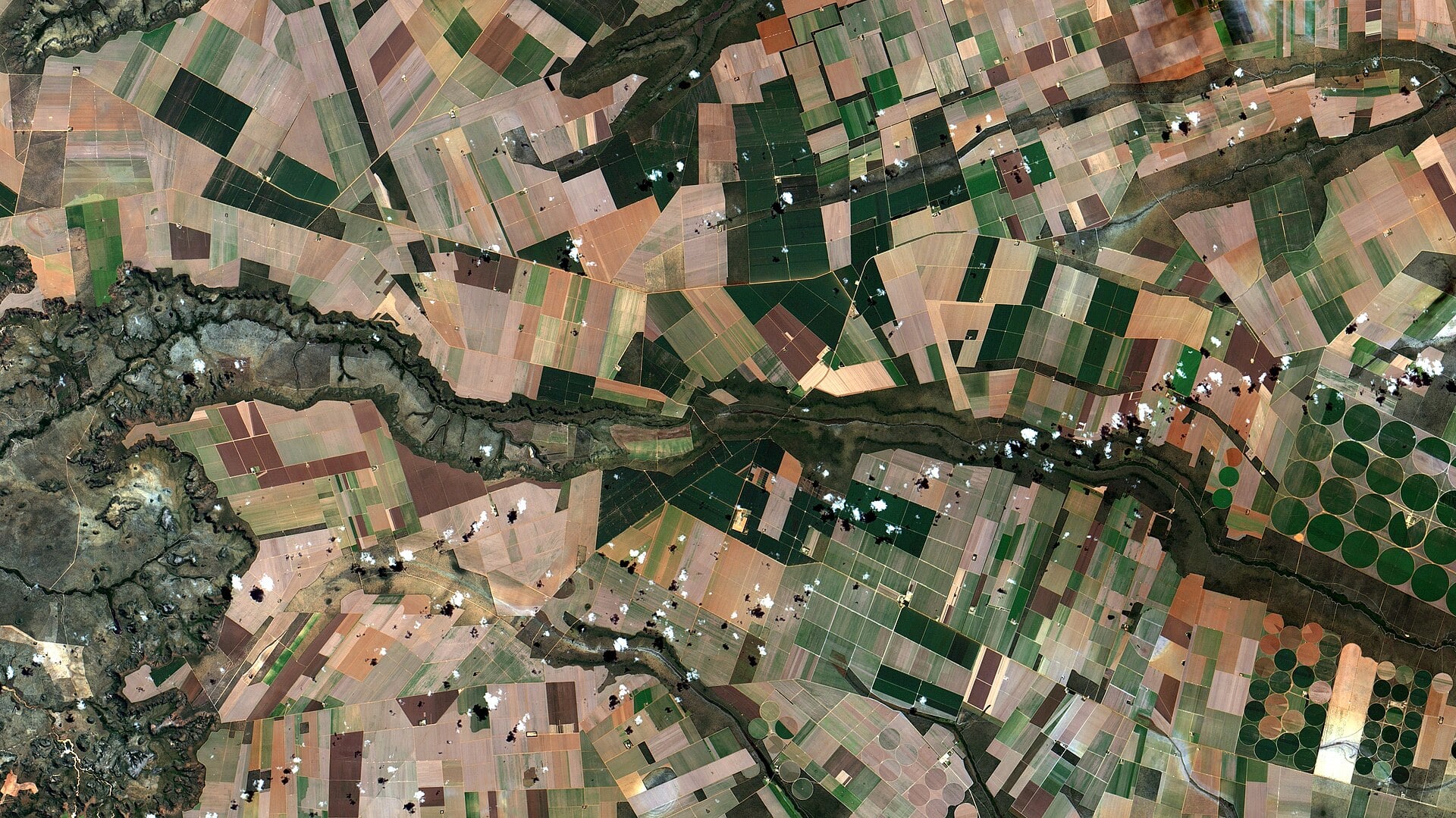
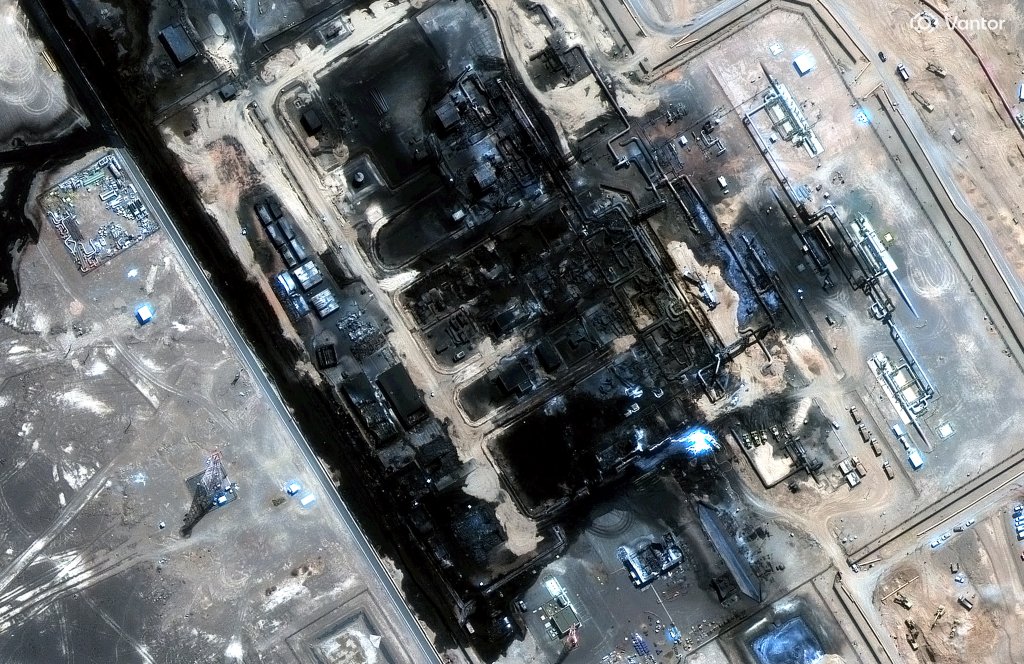 The Saudi Arabian East-West pipeline after it was damaged by an attack. (Satellite image ©2026 Vantor)
 The stark reality is that if Saudi refineries are destroyed and the pipeline is shut down for months if not longer, the last major lifeline from the region, and especially to Europe, would be closed off, sparking a deeper energy crisis.
Concern over these factors spurred Britain to act, the Ministry of Defense (MoD) noted. It said it was acting on a request from Saudi Arabia and that the jet would “support Saudi Arabia’s defensive operations in aid of the legitimate Yemeni government.”
“Escalating tensions in the Gulf could have negative consequences here in the UK—such as rising prices, disruptions to energy supplies, and increased costs for British businesses,” the ministry explained. “The Houthis pose a threat to stability in the Middle East; therefore, it is in the UK’s national interest—economically and in terms of security—that they do not succeed in their aims.”
“We unequivocally condemn Houthi attacks on Saudi Arabia, and our position is clear: both Saudi Arabia and the Yemeni government have the right to self-defense,” the ministry added.
The jet will operate from a U.K. air base in Cyprus and will begin air-to-air refueling operations in the coming days, the BBC reported.
The MoD said the Voyager will fly only in support of missions to shoot down missiles and drones, though Saudi aircraft are also bombing Houthi ground positions in Yemen, in part to get at drone and missile launchers and storage sites. Houthi officials have accused the Saudis of killing civilians in some of these attacks.
It should be noted that, more than a decade ago, the U.S. was supporting the Saudi coalition’s previous bombing campaign against the Houthis by providing aerial refueling and intelligence. However, then-Defense Secretary James Mattis ended that in 2018 during the first Trump presidency after growing concerns over the large number of civilian casualties.
The Voyager can only refuel the Royal Saudi Air Force Eurofighter Typhoons, Panavia Tornados, and Italian Air Force Typhoons that have been in the Kingdom since before the fighting with the Houthis broke out, as well as any other similarly equipped allied aircraft. That’s because the tanker only has probe-and-drogue aerial refueling, not the boom required for gassing up other receptacle-equipped aircraft. You can read more about this in our story here.
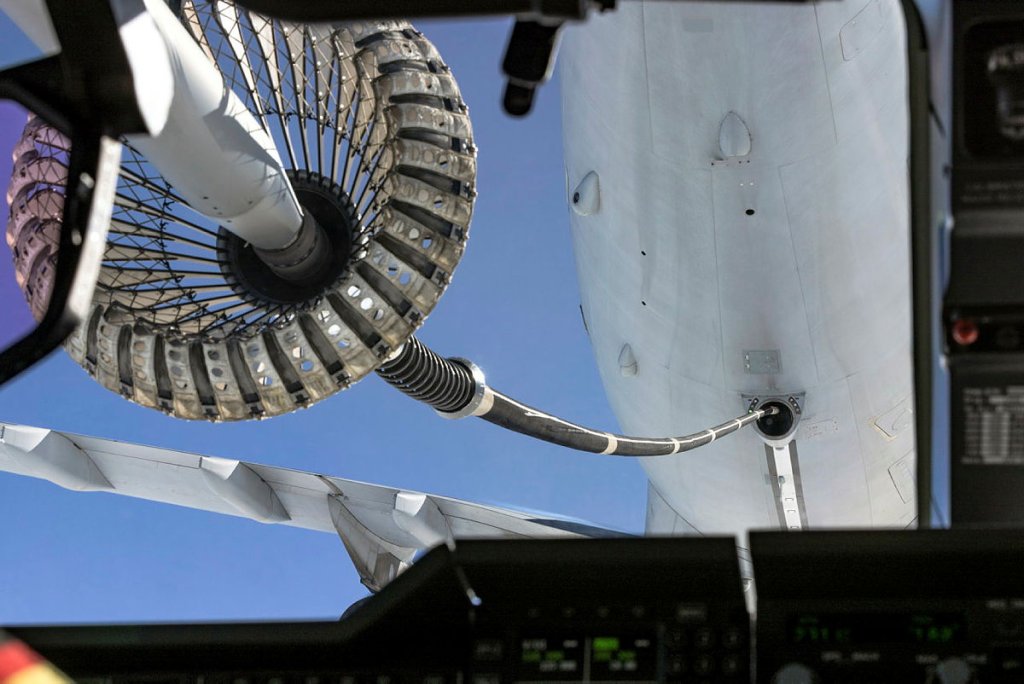 The view from the cockpit of an A400M during air-to-air refueling with a Voyager KC3 using its probe and drogue system, via the fuselage refueling unit. Crown Copyright
 The Voyager will not be the first British asset to be sent to help Saudi Arabia since the launch of Epic Fury. In March, the U.K. sent its Sky Sabre air defense system and troops to the Kingdom to help defend against attacks from Iran.
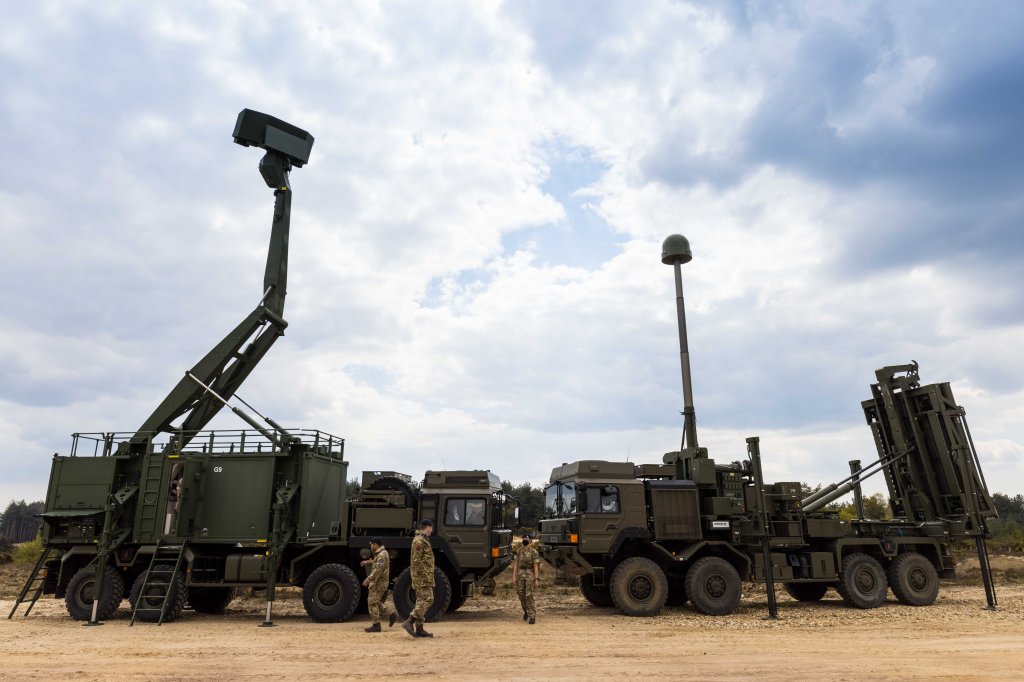 The British Army Sky Sabre state-of-the-art intermediate air defence system. (Corporal Adam J Wakefield) Corporal Adam J Wakefield
“This support builds upon the UK’s existing military contribution to Saudi air defense, which includes the deployment of an air defense system and British personnel to help protect against missile and drone attacks,” the MoD pointed out on Tuesday. “Saudi Arabia and Yemen are steadfast partners of the UK and play a vital role in regional stability. It is in the UK’s interest to safeguard regional stability, protect vital trade and energy supplies, and encourage a diplomatic resolution to the conflict in Yemen.”
The civil war in Yemen erupted in 2014 and expanded a year later when a Saudi-led coalition joined forces with the government ousted by the Houthis. The fighting between Saudi-led forces and the Houthis largely abated after a tenuous ceasefire was signed in 2022. The Saudis held off on getting involved in the recent Red Sea conflict which saw the U.S. and coalition warships duking it out with the Houthis, and eventually led to a U.S.-led air campaign over Yemen. The United Kingdom was the other significant player in that air campaign.
Tensions, as we noted earlier in this story, reignited in recent weeks after the Houthis joined the U.S.-Iran conflict on the side of their major supporter.
On Tuesday, Houthi spokesman Brig. Gen. Yahya Sare’e claimed that Saudi Arabia conducted 19 airstrikes across rebel-held territory in Yemen that involved the latest round of civilian casualties. The Saudis have not directly responded.
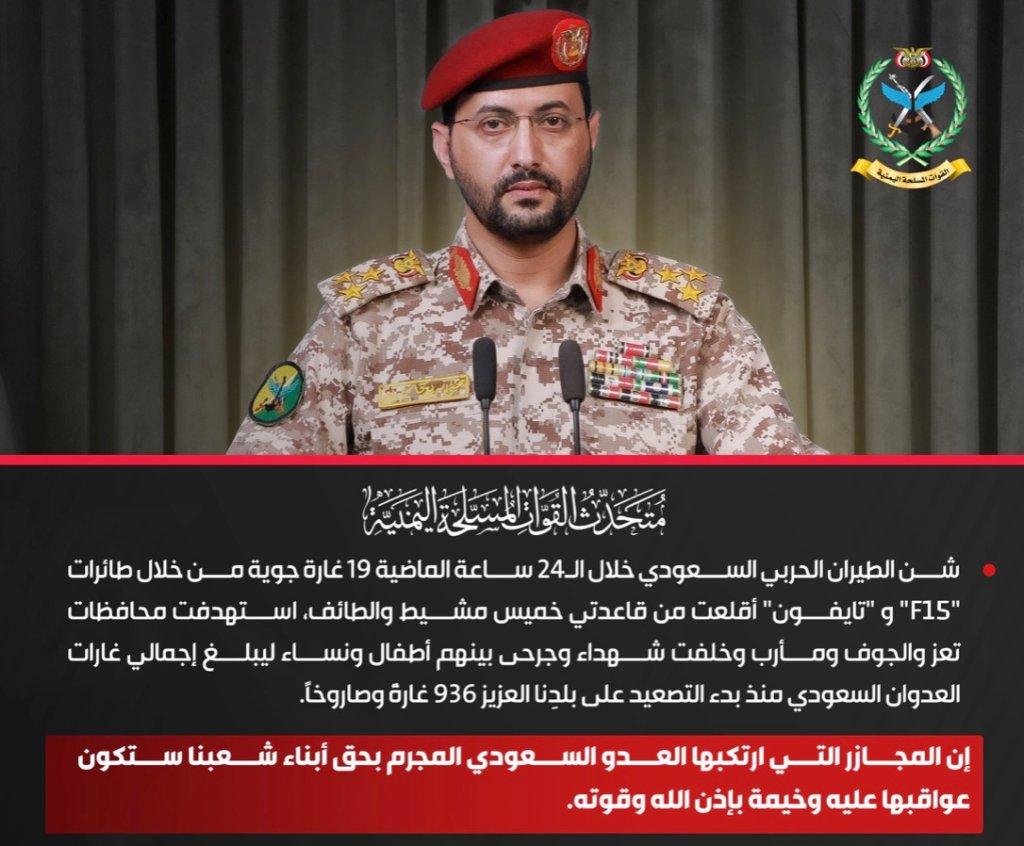 Brig. Gen. Yahya Sare’e. (Houthi Telegram)
 As we stated earlier in this story, hours after the U.K. announced it was sending a Voyager tanker to Saudi Arabia, Trump addressed the ongoing conflict with Iran during his speech to the U.N. General Assembly in New York.
The American leader called for international isolation of Iran and repeated his stance that he was at an inflection point on deciding what course to take moving forward. The situation has settled into an uneasy pause interrupted by sporadic Iranian attacks on shipping in the Strait of Hormuz. It has been weeks since the U.S. last struck Iranian targets.
“Will a deal be made with Iran that lets them rebuild and create a far greater country than it ever was before?” Trump asked rhetorically. “Or do I annihilate the Islamic Republic and do it quickly, never giving them a chance to kill and destroy people and countries again?”
Trump added that he believes he will make a peace deal with Iran after the upcoming U.S. midterm elections, which could decide which party controls Congress. With gasoline and diesel price increases damaging the economy, the war and Trump’s handling of it have been very unpopular with voters.
In a CNN and SSRS poll, released Tuesday, 64% of those responding said the U.S. is not winning the war in Iran, while 36% disagreed. In addition, 78% of participants said Trump is not doing enough to end the conflict with Iran and 22% said he was.
After a bilateral meeting with British Prime Minister Andy Burnham following his UN speech, Trump claimed the Iranians still want to make a deal.
“They want to talk to us,” he said. “They have been talking to us, even today they’ve been talking to us, and the relationship is developing. But we can’t let them – and they understand that – we can’t let them have a nuclear weapon.”
A U.S. negotiating team, including Steve Witkoff and Jared Kushner, met with Iranian officials on the sidelines of Tuesday’s U.N. meeting. That sideline session lasted about three hours and went well, according to Trump, who offered no details on the discussions.
Trump: US officials met with the Iranian delegation for three hours – "it was a good meeting"
— Polymarket Intel (@PolymarketIntel) September 22, 2026For their part, the Iranians said they are willing to negotiate, but on their terms.
“A senior Iranian official said Iran could reopen the Strait of Hormuz to Gulf shipping within seven days if the U.S. fulfilled Tehran’s demands to ease military pressure and lift an American blockade on Iranian ports,” Reuters reported. “The official added that Tehran had conveyed its latest proposal to Washington via mediators last week.”
Contact the author: [email protected]