By The Rio Times | Created at 2026-06-23 18:36:54 | Updated at 2026-06-23 20:28:39
2 hours ago
By The Rio Times | Created at 2026-06-23 18:36:54 | Updated at 2026-06-23 20:28:39
2 hours ago
Economy · Brazil · Aviation
— Key Facts
—The record. Brazil flew 42 million domestic passengers in the first five months of 2026, up 6% on the 39.8 million a year earlier — the first time the country has ever passed 42 million in that window, per data released June 22 by regulator ANAC.
—Cooling fast. May alone carried 8.31 million domestic flyers, a fresh monthly high — but up just 2% year on year, down from the 6.5% pace booked over January to April.
—Foreign flyers strong. International passengers reached 12.8 million through May, up 10%, with May itself up 5% — both all-time highs for the period.
—The warning. The global airline body IATA expects Brazil to lose roughly 10 million passengers this year, with domestic traffic dropping below 90 million after topping 100 million in 2025.
—The squeeze. Petrobras has lifted jet-fuel prices by roughly 64% since the Middle East war began in February, prompting Azul to cut about 5% of its capacity.
—Why it matters. In a continent-sized country where flying is often the only practical link between cities, the gap between record demand and a looming fuel-driven retreat is now the key tension for investors.
Brazil air passengers just set a fresh record, with 42 million domestic flyers in the first five months of 2026 — even as the country’s own carriers warn that a war-driven fuel shock could still ground millions of them before the year is out.
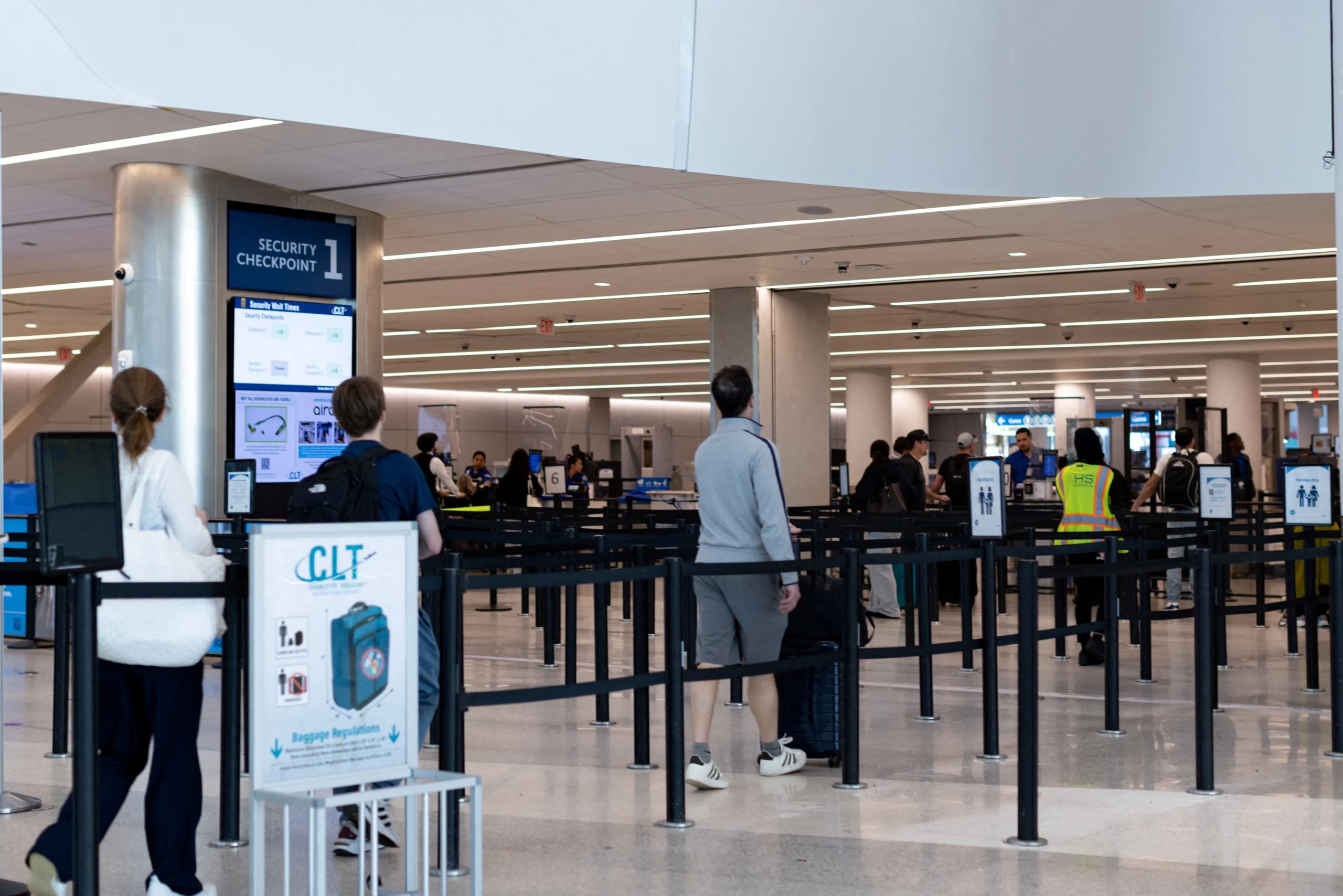
On Monday, Brazil’s aviation regulator released numbers that look, at first glance, like an unbroken success story. Between January and May, 42 million people boarded domestic flights inside the country, the highest tally for that period in records that stretch back to 2000.
That is a 6% jump on the same months last year, when 39.8 million flew. May on its own carried 8.31 million domestic passengers, another monthly high for the country.
The figures were compiled by the Tourism Ministry from data published by ANAC, the federal body that regulates Brazilian civil aviation, roughly the equivalent of Britain’s CAA or America’s FAA. Tourism Minister Gustavo Feliciano framed the result as proof that Brazilians have, in his words, more confidence, more income and more desire to see their own country.
International travel told a similar story. Foreign passenger movements reached 12.8 million over the five months, up 10%, while May alone rose 5% to 2.23 million — both the strongest readings the country has ever logged for the period.
Why the record hides a warning for Brazil air passengers
Look past the headline and a different signal appears. The 42 million figure is cumulative, so it banks the strong start to the year even if the months that follow weaken.
The monthly trend is where the strain shows. May’s domestic growth of 2% is a sharp slowdown from the 6.5% pace the country posted over January to April, suggesting the boom is losing altitude just as costs climb.
That cooling lines up with a blunt forecast from the global airline trade body. IATA expects Brazil to lose around 10 million passengers this year, with domestic traffic falling below 90 million after it topped 100 million in 2025.
The culprit is fuel. Since fighting flared in the Middle East in February, state oil firm Petrobras has raised the price of aviation kerosene by roughly 64%, a cost that flows straight into every ticket.
Carriers are already pulling flights
The retreat is not a forecast for the airlines themselves; it has started. John Rodgerson, chief executive of Azul, one of the country’s three big carriers, says the company has already trimmed about 5% of its flying, cutting both routes and frequencies.
Smaller cities are the most exposed. Fuel costs more in remote areas, so the short regional hops that connect minor towns are the first links airlines drop when they pull back.
Flying in Brazil was expensive before the war. Rodgerson points to three home-grown burdens that sit on top of the fuel bill: some of the world’s priciest jet fuel, a heavy tax load, and an extraordinary volume of passenger lawsuits.
To keep planes in the air, the Lula government has thrown subsidised credit at the sector. It approved a package worth up to 7.5 billion reais (about $1.48 billion) for the three big carriers in April, then added a shorter-term line in May, with Azul, Gol and LATAM all gaining access to the federal money this week.
For an outside investor, the takeaway is the gap itself. Demand is at a record and foreign arrivals are booming, yet the people who actually run the planes are cutting capacity and leaning on state credit — a split that makes the second half of the year the real test.
A test for the planemaker too
One Brazilian name stands to gain from the squeeze. Embraer, the country’s own planemaker, sells jets that burn far less fuel than older models, so a sustained price spike strengthens the case for buying its aircraft.
Whether record demand or the fuel-driven pullback wins out will shape orders for years. For now the two forces are pulling in opposite directions, and the cumulative record masks how quickly the monthly numbers are converging on the warning.
Frequently Asked Questions
How many Brazil air passengers flew in early 2026?
Forty-two million people boarded domestic flights inside Brazil between January and May 2026, up six percent on the same period a year earlier. It was the first time the country has passed that mark for the period, and May itself was a record month at 8.31 million.
If demand is at a record, why are airlines worried?
The 42 million figure is a cumulative total that banks a strong start to the year. The monthly growth rate has slowed sharply, and the global airline body IATA expects Brazil to lose roughly ten million passengers across the full year as a fuel shock bites.
What does the outlook for Brazil air passengers mean for investors?
It frames the second half of the year as the real test, with record demand running against capacity cuts and subsidised state credit. The split also favours planemaker Embraer, whose fuel-efficient jets become more attractive the longer prices stay high.
The Rio Times · Power Map
See who really holds power in Latin America
Click to open the Power Map →