By The Rio Times | Created at 2026-06-23 17:21:49 | Updated at 2026-06-23 18:55:31
1 hour ago
By The Rio Times | Created at 2026-06-23 17:21:49 | Updated at 2026-06-23 18:55:31
1 hour ago
Energy · Suriname
Key Facts
—The hope. Suriname’s state oil firm says the Petronas-run Block 52 could be declared commercial for oil within about eighteen months.
—The twist. That oil prize would sit on top of a gas discovery in the same block, called Sloanea, already declared commercial late last year.
—The operator. Malaysia’s state energy company Petronas runs Block 52, holding most of it, with Suriname’s Staatsolie taking the rest.
—The flagship. The country’s big project remains GranMorgu, a $10.5bn development led by France’s TotalEnergies, due to pump first oil in 2028.
—The stage. The comments landed as Suriname hosted its annual energy summit in the capital, Paramaribo, this week.
—The stakes. A small, heavily indebted country is betting that the same basin enriching neighbouring Guyana will lift it too.
The Suriname Block 52 oil hope is a rare kind of bet: the chance to draw two separate fortunes, crude and gas, from a single patch of seabed off a small South American coast.
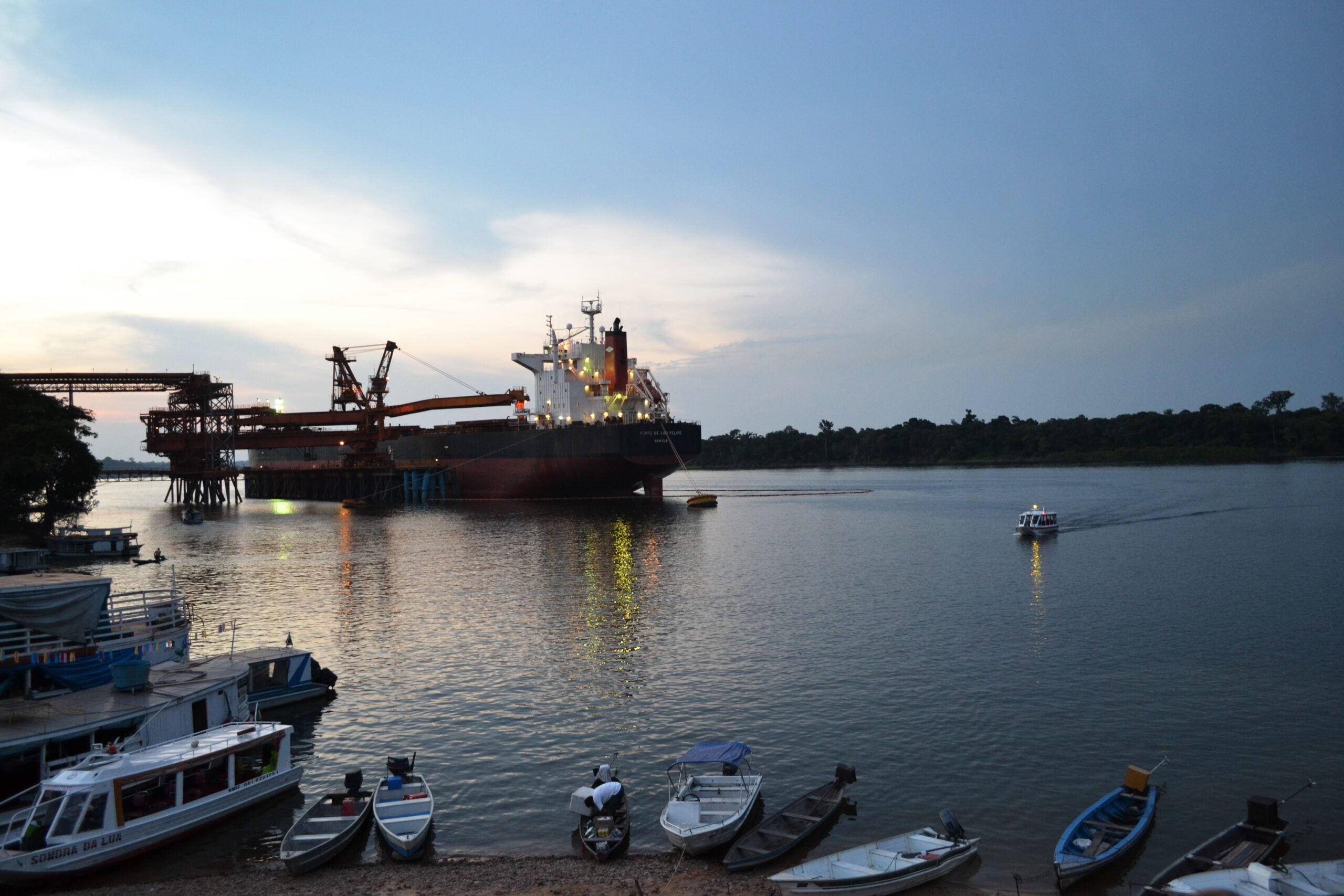
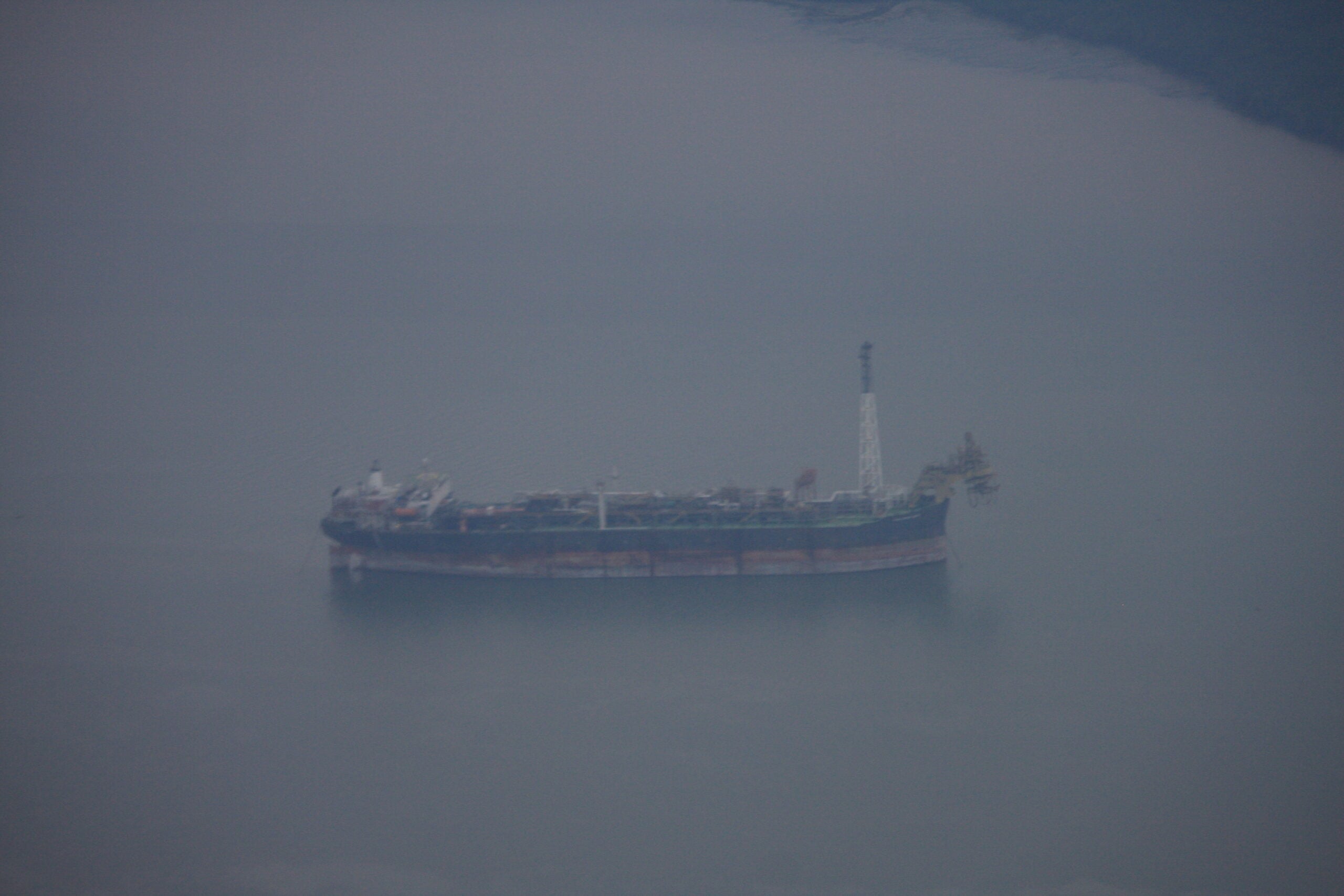 A floating production and offloading vessel, the kind of facility used to develop offshore oil. (Photo: Wikimedia Commons)
Suriname already knows it has commercial gas in one offshore block. Now it hopes the same block holds oil worth pumping too.
The head of the state oil company, Staatsolie, told Reuters a declaration that the oil is commercially viable could come within about eighteen months. That would turn one discovery into two prizes.
Why the Suriname Block 52 oil call matters
Block 52 sits in waters operated by Malaysia’s state energy company, Petronas, which holds most of the licence. Staatsolie takes the smaller remaining share.
The block already delivered a win. A gas find there called Sloanea was declared commercially viable late last year, Suriname’s first such gas development.
The plan for that gas is unusual for the region. It would use a floating facility to chill the gas into liquid form at sea, with a final spending decision expected later this year.
If it goes ahead, Suriname would become a liquefied-gas exporter before the decade is out. That would hand the country a second export stream alongside crude, rare for a producer this new.
Finding commercial oil in the same block would change the maths. Two revenue streams from one development spread costs and improve the economics for both the companies and the state.
Block 52 has form. Petronas made earlier oil shows there, and industry estimates have put the block’s oil potential in the hundreds of millions of barrels, though that still needs confirming.
Interest in Suriname’s waters is widening. Over the past year the American major Chevron and the gas heavyweight QatarEnergy have signed up for blocks, and the government has opened most of its remaining offshore acreage to bidders.
A slower burn than Guyana
Suriname shares the same oil-rich geology as Guyana next door, where an Exxon-led group now pumps around nine hundred thousand barrels a day. The hope has long been that the boom would cross the border.
It has come, but slower and smaller. Suriname’s results have been mixed, with some wells disappointing and timelines slipping, so a Guyana-style flood of discoveries is far from guaranteed.
The country’s flagship is GranMorgu, a separate offshore project led by France’s TotalEnergies. It carries a price tag of about ten and a half billion dollars and is due to deliver first oil in 2028.
That project is built for scale. It will use a floating vessel able to handle two hundred and twenty thousand barrels a day, drawing on fields holding more than seven hundred million barrels of recoverable oil.
The Block 52 comments came as Suriname hosted its annual energy, oil and gas summit in the capital, Paramaribo, the week the basin’s next moves are debated in public.
What it means for investors
For an outside investor, the appeal is a country early in its story with real projects now moving, not just promising maps. Each commercial declaration nudges Suriname closer to becoming a genuine producer.
The caution is just as clear. Suriname is small and heavily indebted, and an eighteen-month timeline is a hope, not a guarantee, so the gap between discovery and cash flow remains the real test.
There is a Brazilian angle too. Petrobras recently signed a cooperation pact with Staatsolie, and Brazil has floated buying Surinamese crude, tying the small producer into the wider regional energy map.
Frequently Asked Questions
What is the Suriname Block 52 oil prospect?
It is the possibility that an offshore block already holding commercial gas also holds oil worth producing. Suriname’s state oil firm says a declaration of commercial viability for oil could come within about eighteen months.
Who operates Block 52?
Malaysia’s state energy company Petronas operates the block and holds the larger share, with Suriname’s state oil firm Staatsolie taking the rest. The block already produced the Sloanea gas discovery, declared commercial late last year.
How does this compare with Guyana?
Suriname sits on the same prolific basin as Guyana but is moving more slowly and at smaller scale. Its flagship GranMorgu project is due to start in 2028, years after Guyana became a major producer.
The Rio Times · Power Map
See who really holds power in Latin America
Click to open the Power Map →