 By GB News (World News) | Created at 2026-10-03 21:35:41 | Updated at 2026-10-03 23:10:43
1 hour ago
By GB News (World News) | Created at 2026-10-03 21:35:41 | Updated at 2026-10-03 23:10:43
1 hour ago
British farmers are facing their worst bluetongue outbreak on record, with reported cases in the current season already exceeding the combined total from the previous three years.
Defra has recorded 2,201 cases since the 2026-27 bluetongue season began on July 1, including 1,103 in September alone.
The season runs until June 30 2027, meaning the number of recorded cases has surpassed the total for the previous three seasons in just three months.
Bluetongue is a viral disease affecting livestock including sheep and cattle, plaguing farmers to either deal with treatment or face unwanted cull of flocks and herds.
Symptoms can include fever, ulcers, swelling of the head and lameness, while in some animals the tongue can become blue and protrude from the mouth. Severe infections can be fatal.
The disease is spread by biting midges and originated in Africa, before spreading into Europe over the past two decades.
The World Organisation for Animal Health has linked its expansion to climate breakdown, while academics have found transmission is closely connected to environmental temperatures.
The strain currently affecting British livestock, serotype 3 (BTV-3), was first detected in England in 2023.
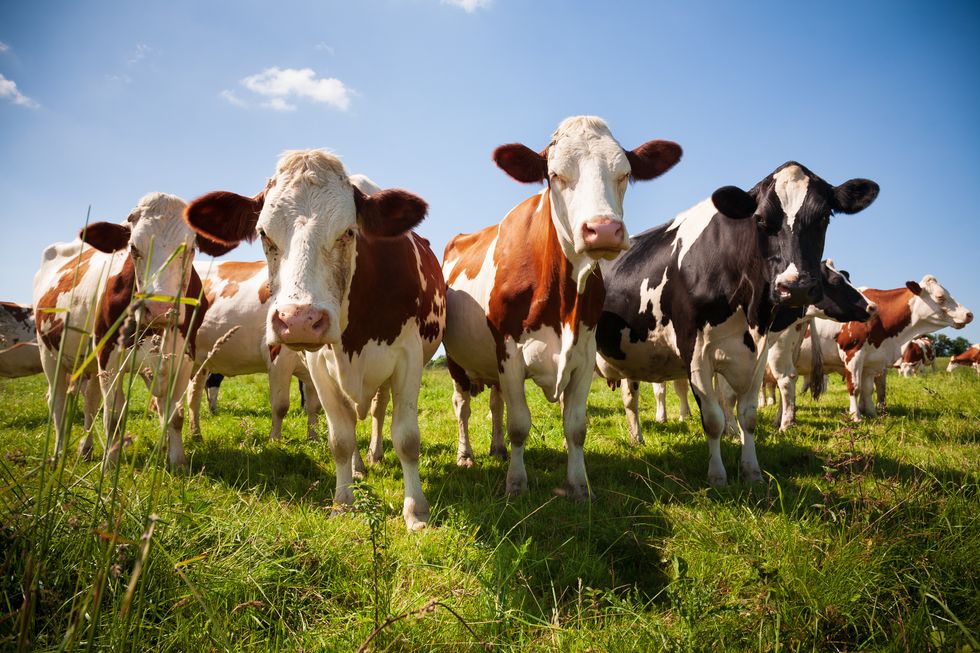
This summer, the virus crossed into Scotland for the first time, and has been detected as far north as Aberdeenshire.
Although bluetongue poses no risk to people or food safety, its spread is creating additional pressure for farmers.
Robyn Munt, vice-president of the National Farmers’ Union, said livestock producers were being forced to maintain “constant vigilance” and repeatedly inspect animals for signs of infection.
Vaccination is available, but Ms Munt said obtaining supplies had been “really challenging”, as it was a “demand-led process”.
She said: “During a year where livestock businesses, due to the climate impact of drought, have carried a whole load of cost in their business that they might not have been expecting, dealing with vaccinating animals and then potentially having to treat animals with bluetongue is just more labour pressure and stress on a farm business."
Defra records a case when bluetongue is identified on a premises where at least one infected animal is present.
The number of individual livestock affected is therefore likely to be far higher than the official case count.
With temperatures remaining high enough across parts of the UK for the virus to develop inside its midge hosts, Tom Cantillon, a senior analyst at the Energy and Climate Intelligence Unit, described the outbreak as a “harbinger of things to come”.
Defra records a case when bluetongue is identified on a premises where at least one infected animal is present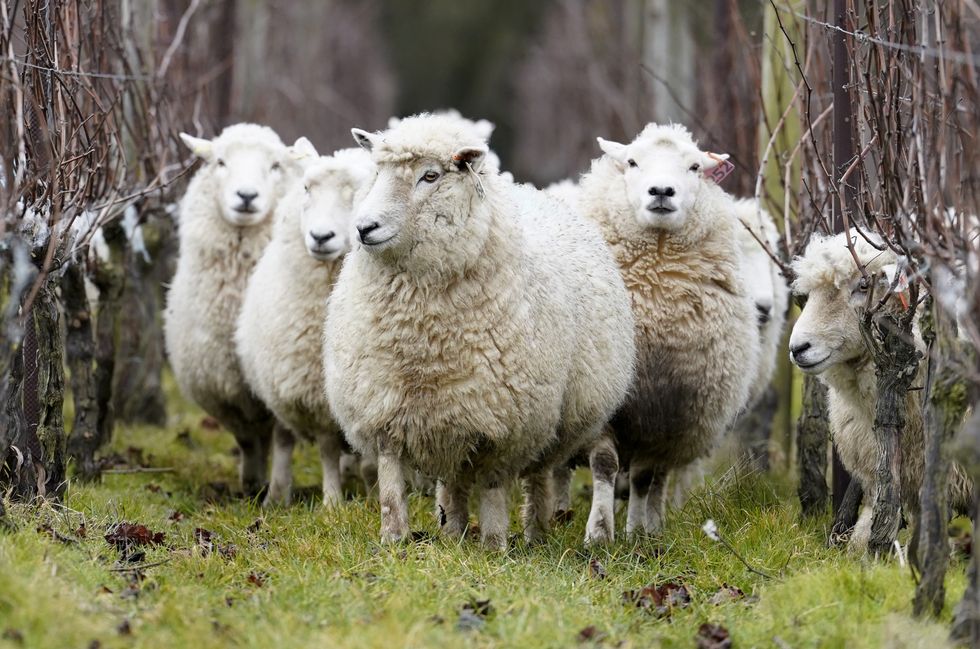
“With climate change increasing the likelihood of milder winters and hotter summers, pests and pathogens that were once unable to survive here can now make their home. This will profoundly impact not only farmers, but the wider public,” he said.
The warning comes after mosquitoes capable of transmitting Zika and dengue were found breeding in homes in east London earlier this summer. Experts have warned that continued warming could result in more “incursions of invasive mosquitoes”.
Mr Cantillon said: “Adequate preparation for these pests and pathogens is necessary, including vaccinations for farm animals. But, ultimately, we cannot vaccinate against the kinds of climate that encourage these outbreaks.
"They will only get more likely until we reduce our emissions to net zero and stop warming altogether.”