By The Rio Times | Created at 2026-06-24 09:41:52 | Updated at 2026-06-24 11:04:11
1 hour ago
By The Rio Times | Created at 2026-06-24 09:41:52 | Updated at 2026-06-24 11:04:11
1 hour ago
Economy
Key Facts
—The ruling. America’s top court decided on Tuesday, June 23, 2026, that ExxonMobil may sue Cuban state firms over property seized after Fidel Castro took power.
—The sum. The oil major is chasing compensation for assets it values at more than $1bn, taken in nineteen sixty.
—The margin. The decision was six votes to three, with the justices splitting along familiar ideological lines.
—The assets. The claim covers an oil refinery, fuel terminals, packaging plants and more than a hundred service stations.
—The pattern. It is the second such ruling in two months, broadening the legal exposure of any firm using confiscated Cuban property.
The ExxonMobil Cuba lawsuit has cleared its biggest hurdle, after America’s highest court ruled that the oil major can pursue Havana for property seized more than sixty-five years ago.
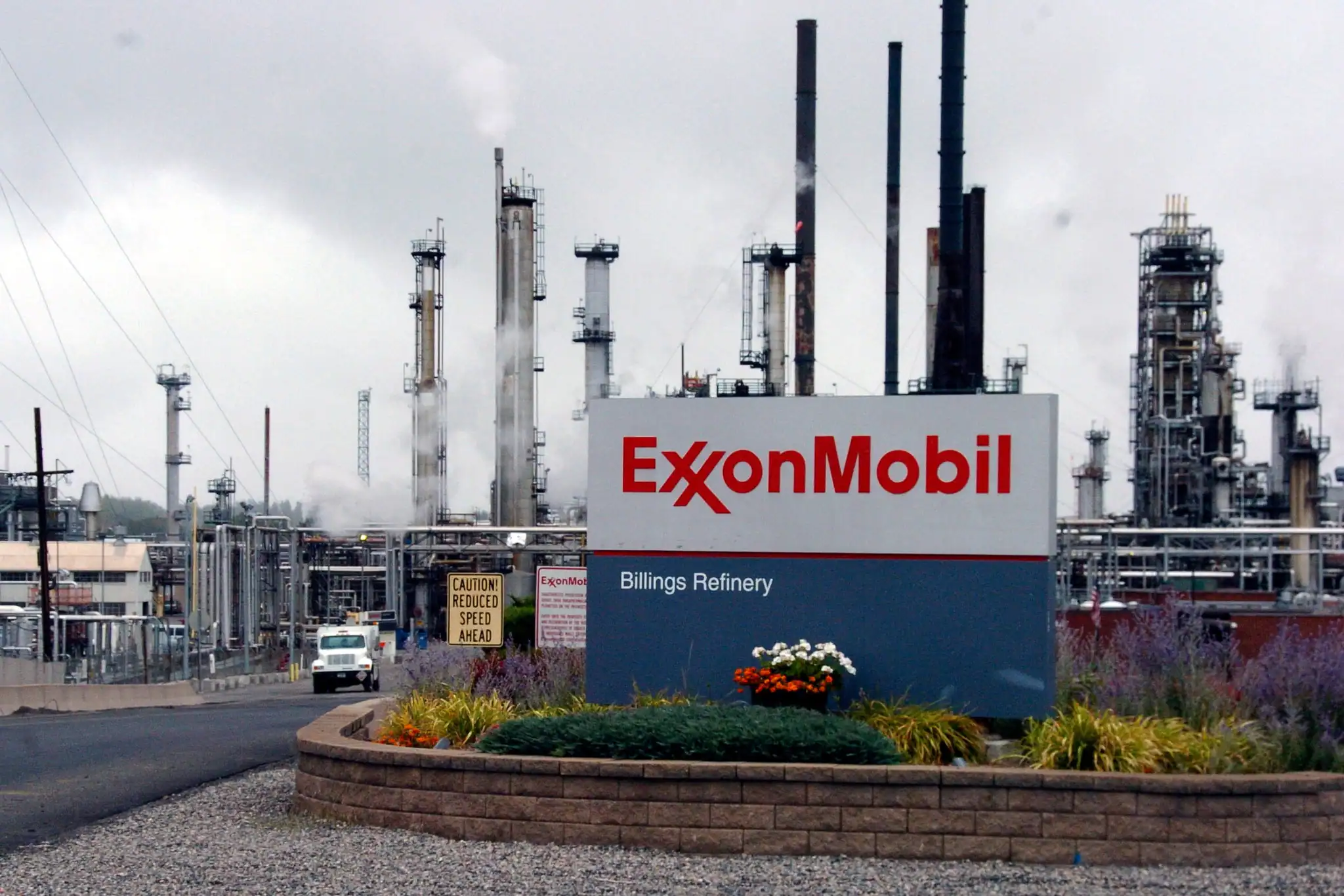
The United States Supreme Court ruled on Tuesday that ExxonMobil can take Cuban state-owned companies to court in America over assets confiscated after Fidel Castro seized power. The vote was six to three.
At stake is a claim the company values at more than one billion dollars. The judges overturned a lower court that had shielded the Cuban state firms from being sued at all.
According to the official court record in the case, ExxonMobil v. Corporación CIMEX, the dispute reaches back to nineteen sixty.
That was the year Castro’s government took over a string of foreign-owned businesses on the island. Two Cuban state firms have operated and profited from the seized oil assets ever since.
The size of the loss is not merely the company’s own estimate. A United States government body that reviews such claims, the Foreign Claims Settlement Commission, formally certified the value of ExxonMobil’s confiscated property decades ago.
The seized assets had belonged to a forerunner of ExxonMobil. They included an oil refinery, storage terminals, packaging plants and more than a hundred filling stations.
What the ExxonMobil Cuba lawsuit is really about
The case turns on a piece of American legislation from nineteen ninety-six known as the Helms-Burton Act. One part of it lets United States nationals sue almost any company that profits from property Cuba confiscated.
For decades that power sat unused. Every president from Bill Clinton onward suspended it, wary of angering allies whose firms do business in Cuba.
President Donald Trump lifted that suspension during his first term, and ExxonMobil filed its claim the same day. The question that reached the Supreme Court was narrower: whether Cuban state companies could hide behind the legal immunity normally granted to foreign governments.
The court said they could not. Writing for the majority, Justice Brett Kavanaugh held that state-owned firms cannot claim sovereign immunity to escape lawsuits over assets Cuba seized.
Why a sixty-five-year-old grievance matters now
The timing is what gives this old quarrel its bite. Cuba is in deep economic trouble, with output that forecasters expect to shrink by more than seven percent this year alone.
Washington is squeezing the island hard, through an oil embargo and other pressure. A wave of property lawsuits is now another lever in that campaign.
This was the second such ruling in two months. A separate decision recently revived claims against cruise lines that had carried tourists to Cuba during the brief thaw under President Barack Obama.
Together the two cases widen the danger zone for any business touching confiscated Cuban property. That is a chilling signal for foreign investors at the very moment Havana is trying to coax them back.
The investor read-through
For now the ruling is a green light to sue, not a cheque. ExxonMobil still has to win its case and then find Cuban assets in reach of American courts to actually collect.
The wider message lands harder. Any European or Latin American company weighing a deal with a Cuban state firm now has to price in the risk of being sued in the United States.
What did the ExxonMobil Cuba lawsuit decision actually decide?
It decided that Cuban state-owned companies cannot use sovereign immunity to block the suit. It does not yet award any money.
ExxonMobil must still prove its claim and find a way to enforce any future judgment.
What property is ExxonMobil claiming?
It is claiming assets seized in nineteen sixty from a predecessor company, valued at more than a billion dollars. They include an oil refinery, fuel terminals, packaging plants and over a hundred service stations.
Why does this matter beyond ExxonMobil?
Because it sets a precedent. Other American owners of confiscated Cuban property can now press similar claims, and foreign firms operating on the island face fresh legal risk in the United States just as Havana seeks new investment.
Connected Coverage
For the economic backdrop in Havana, see our report on how Cuba’s economy is set to contract while its leader courts American firms. For the company’s parallel moves in the region, read our analysis of ExxonMobil’s planned return to Venezuela after a nineteen-year standoff.
The Rio Times · Power Map
See who really holds power in Latin America
Click to open the Power Map →