By The Rio Times | Created at 2026-10-03 08:50:17 | Updated at 2026-10-03 09:28:15
1 hour ago
By The Rio Times | Created at 2026-10-03 08:50:17 | Updated at 2026-10-03 09:28:15
1 hour ago

One-stop reference
Company Intelligence
Every listed company in Latin America — financials, ownership and structure for 1,450+ companies across 26 exchanges, in one place.
EARTHQUAKE RECOVERY · VENEZUELA
Key Facts
- —The country Venezuela is rebuilding after twin earthquakes of magnitude 7.2 and 7.5 struck its north-central coast on 24 June 2026.
- —What happened A magnitude 4.8 quake hit 31 km south-west of Güiria, Sucre state, at 12:31 on Friday 2 October, Funvisis reported. No injuries or damage were recorded.
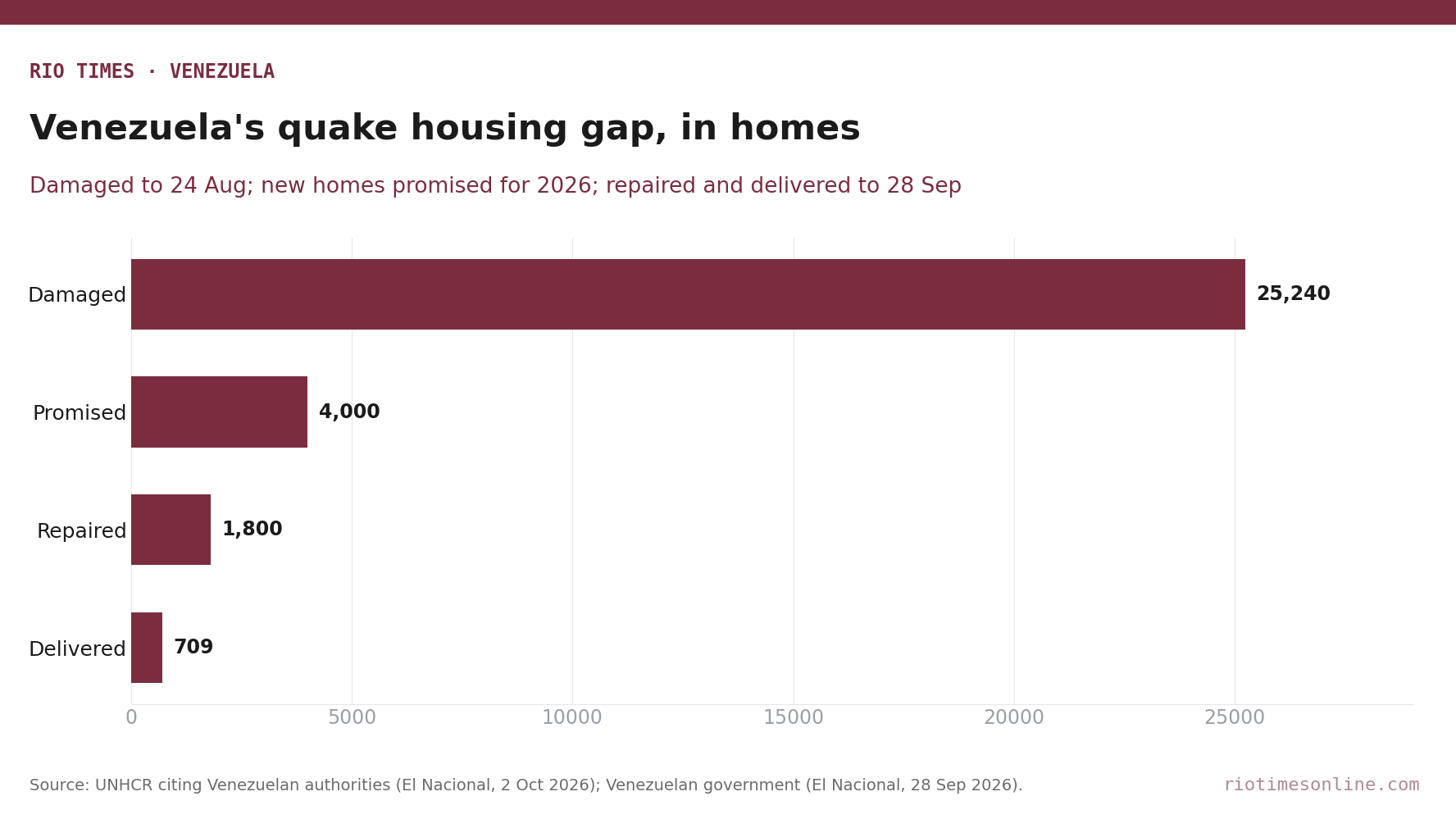
- —The numbers UNHCR, citing authorities, counts 6,509 dead and 25,240 damaged homes as of 24 August. The government had handed over 709 new homes by 28 September.
- —What it means for you Friday’s tremor caused no reported damage. In the centre-north, 23,901 people were still living in transitory camps in late September, IOM reported.
- —Still open Whether the government meets its 4,000-home target by year-end, and what the UNHCR chief’s visit to Caracas yields.
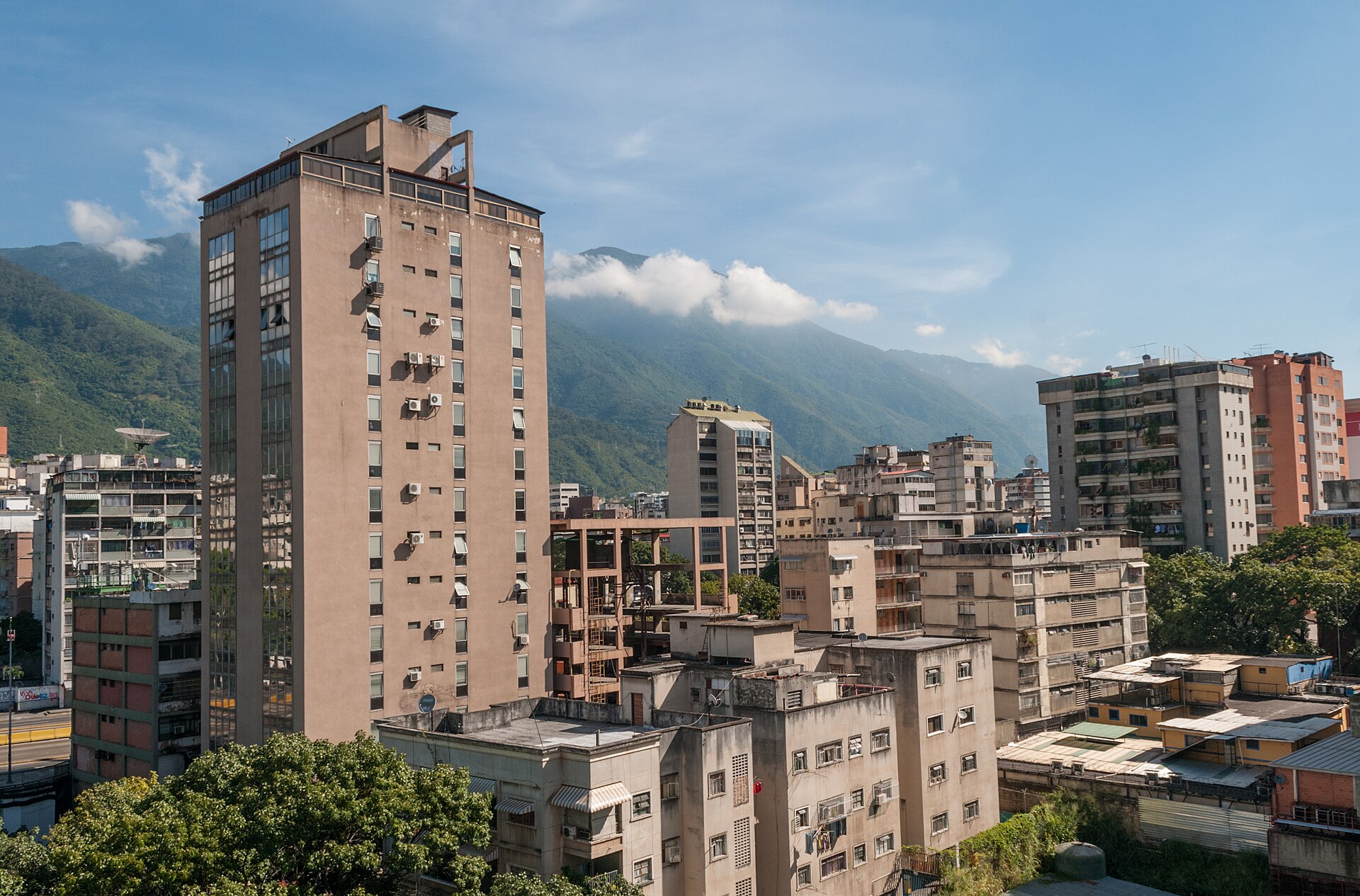
A Venezuela earthquake of magnitude 4.8 shook eastern Sucre state on Friday 2 October, 31 km south-west of Güiria. The national seismology foundation, Funvisis, said it left no victims or damage.
On the same day, 100 days after the June disaster, the UN refugee agency UNHCR warned that thousands cannot return home. Housing damage remains a main cause of displacement, it said.
A shallow tremor in the east
Funvisis placed the quake at 12:31 local time, at a depth of 6.3 km, El Nacional and Efecto Cocuyo reported. Foreign agencies measured it slightly stronger: 5.0 for the US Geological Survey and 5.3 for Colombia’s geological service.
El Estímulo said the tremor alarmed residents of Güiria but caused no casualties. Efecto Cocuyo reported it was felt across the east of the country.
The area lies on the El Pilar fault, one of the region’s most active, where the Caribbean and South American plates meet. El Nacional also reported a magnitude 4.2 tremor south-west of Güiria on 27 August.
No agency has linked Friday’s quake to the June disaster. US Geological Survey data place its epicentre about 525 km east of the stronger June shock, off Catia La Mar.
Follow this story
Get an email when there’s news on Venezuela Transformation
Free. One email a day at most, and only when there is news. This also signs you up to our weekday newsletter, The LatAm Brief. Nothing arrives until you click the confirmation link, and you can stop either with one click. Privacy policy.
UNHCR: thousands still without a home
UNHCR, citing Venezuelan authorities, says the June quakes had killed 6,509 people as of 24 August. Of 60,000 homes assessed, 25,240 were damaged, El Nacional reported from the agency’s update.
Many families move between temporary sites, relatives’ homes and host communities, the agency said. Some temporary shelters are being reorganised or closed.
The International Organization for Migration (IOM) counted 107 transitory camps still open in its report for 24–30 September. They held 23,901 people, close to their capacity of 25,212.
UNHCR said its funding covers only 31 percent of what its Venezuela earthquake response needs. It called for legal aid, replacement identity papers, mental-health care and dignified shelter.
What the government has delivered
Acting president Delcy Rodríguez handed over 181 homes on 28 September, bringing direct deliveries to 709, El Nacional reported. She reaffirmed a target of at least 4,000 new homes before the end of the year.
Her Venezuela Renace (Venezuela Reborn) programme has also repaired 1,800 homes with moderate or minor damage, she said. Subsidised loans are on offer too, as covered in Venezuela Offers Subsidized Mortgages to Earthquake Victims.
Patience is wearing thin in the capital. On Thursday 1 October, families living in tents blocked Avenida Bolívar in Caracas to demand homes, El Nacional reported.
They said repair materials arrive “drop by drop”. A Caracas district official who came to mediate was forced to leave the protest, according to social-media reports cited by the paper.
Aid keeps flowing
UNHCR says it has delivered more than 55 tonnes of aid and 10,038 protection services to 7,200 people. These include 2,750 legal and identity advice sessions and 1,286 psychological interventions.
UNHCR chief Barham Salih arrived in Venezuela on Friday for talks with senior officials, the foreign ministry said, Efecto Cocuyo reported. The overall Venezuela earthquake recovery bill is tracked in Venezuela’s Earthquake Recovery Bill Nears US$20 Billion, published on 16 September.
What Is Not Yet Known
Funvisis has not said whether Friday’s tremor belongs to a wider sequence near Güiria. The government has not said how many families will still be in camps at year-end.
It is unclear whether Salih’s visit will bring new funding. Meeting the 4,000-home target requires about 3,300 further deliveries in under three months.
Sources: Funvisis bulletin of 2 October 2026 as reported by El Nacional, Efecto Cocuyo and El Estímulo; US Geological Survey, event us6000tz5h; UNHCR 100-day update as reported by El Nacional, 2 October 2026; IOM situation report #31 (24–30 September 2026); International Medical Corps situation report #10 (2 October 2026); El Nacional, 28 September and 2 October 2026; Efecto Cocuyo, 2 October 2026.
This article was produced by The Rio Times’ automated newsroom system. How we use AI · Report an error · Editorial responsibility: Matthias Camenzind, Editor-in-Chief
The Rio Times · Power Map
See who really holds power in Latin America
Click to open the Power Map →